A Delhi court Monday struck down a magistrate’s order that refused to order a probe into allegations over Congress leader Sonia Gandhi’s inclusion in an electoral roll before she got Indian citizenship. The court has now sent the matter back to the magistrate for fresh consideration, with the next hearing scheduled for September 29.
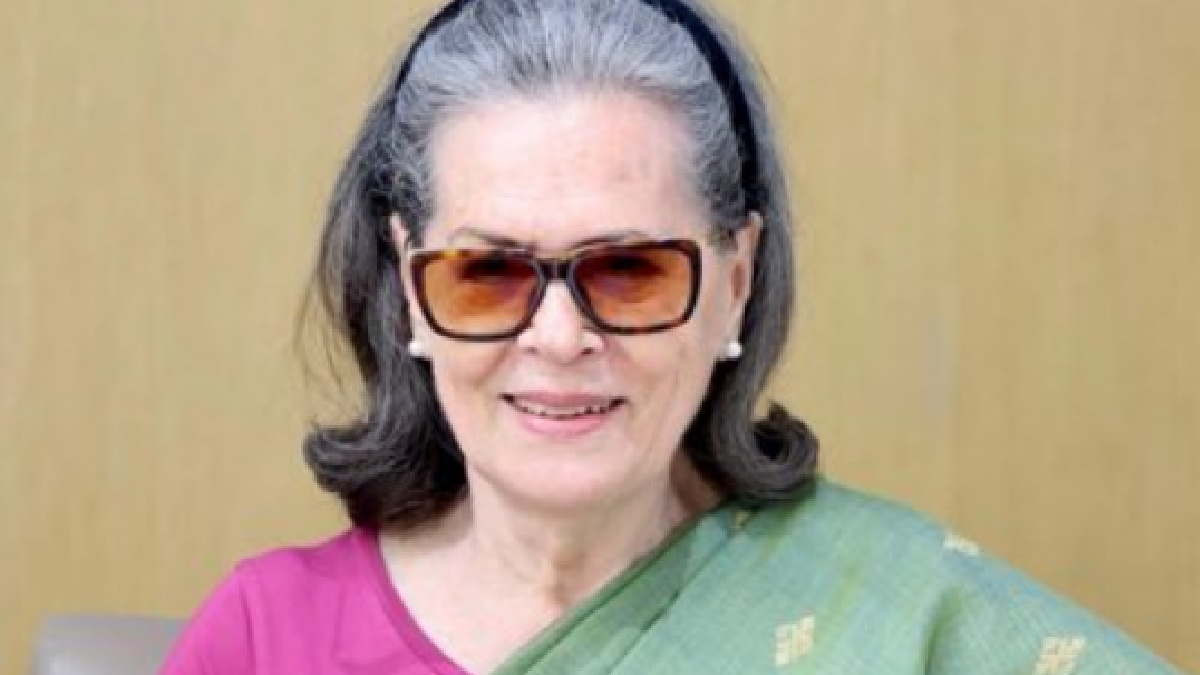
The case pertains to a complaint by advocate Vikas Tripathi, a vice-president of the Central Delhi Court Bar Association at Rouse Avenue courts. Tripathi had sought criminal action and an investigation over the claim that Sonia Gandhi’s name appeared on the electoral roll in 1980 and she was granted Indian citizenship in 1983. There were also alleged irregularities and forged documents associated with the electoral entry. These are still allegations that have not been proven through an investigation or trial.
Special Judge Vishal Gogne, hearing the revision petition on the previous decision, found that the magistrate’s 11th September 2025 order was “non-speaking” in the application. The court said this order did not give an adequate explanation for the reason for the decision. The higher court said the magistrate had not addressed the legal options when it came to the police investigation.
According to the court, the magistrate had to consider whether the complaint disclosed the commission of a cognisable offence and then decide the appropriate course of action. Under Section 175(3) of the Bharatiya Nagarik Suraksha Sanhita (BNSS), the court noted that the magistrate could consider directing registration of an FIR or proceed through the alternative mechanism provided under the law.
The Special Judge also pointed out that the police officer concerned had not been heard and that a status report from the relevant police station had not been called for. The court found that the earlier order was a legal error and needed to be reconsidered.
One of the issues highlighted in the recent proceedings was the distinction between allegations made in the complaint and the question of citizenship. The court observed that the magistrate had moved into the question of Sonia Gandhi’s citizenship rather than first looking at whether the allegations, taken at face value, revealed a cognisable offence which had to be weighed up by police.
The original complaint had been rejected by the magistrate in September 2025. At that time the court refused to direct registration of an FIR against Sonia Gandhi. The complaint was about her alleged inclusion in the New Delhi constituency electoral roll in 1980, despite her Indian citizenship in April 1983.
Tripathi challenged that decision through a criminal revision petition. The Delhi court had issued notices to Sonia Gandhi and the Delhi Police in December 2025 as part of the proceedings. Gandhi’s legal team later opposed the petition and claimed that the complaint was politically motivated and filed for an extraneous reason. That is the position of her counsel and does not constitute a judicial finding on the allegation itself.
The new court order does not by itself establish that Sonia Gandhi has committed any offence or that the allegations regarding the electoral roll are proven. The effect of the decision is to remove the earlier magisterial order and take the complaint again into account through a rational judicial process.
The matter will now be brought back to the magistrate for fresh arguments and consideration. The court will take up the complaint again on September 29, in view of Special Judge Vishal Gogne’s directions.
The development comes as electoral-roll issues are receiving renewed attention in Delhi amid the ongoing scrutiny of voter records. However, the Sonia Gandhi matter relates to a specific complaint dating back to alleged electoral-roll entries from the 1980s and should be distinguished from the current electoral-roll revision effort.