Amravati: Andhra Pradesh IT and Industries Minister Nara Lokesh has rejected suggestions on social media that Sri City can be developed as an alternative airport site for Chennai after the decision by the Tamil Nadu government to stop the development of the Parandur greenfield airport project. Lokesh's tongue-in-cheek response has set off a wider online debate on Chennai's future aviation infrastructure and the competing development plans of Tamil Nadu and Andhra Pradesh.
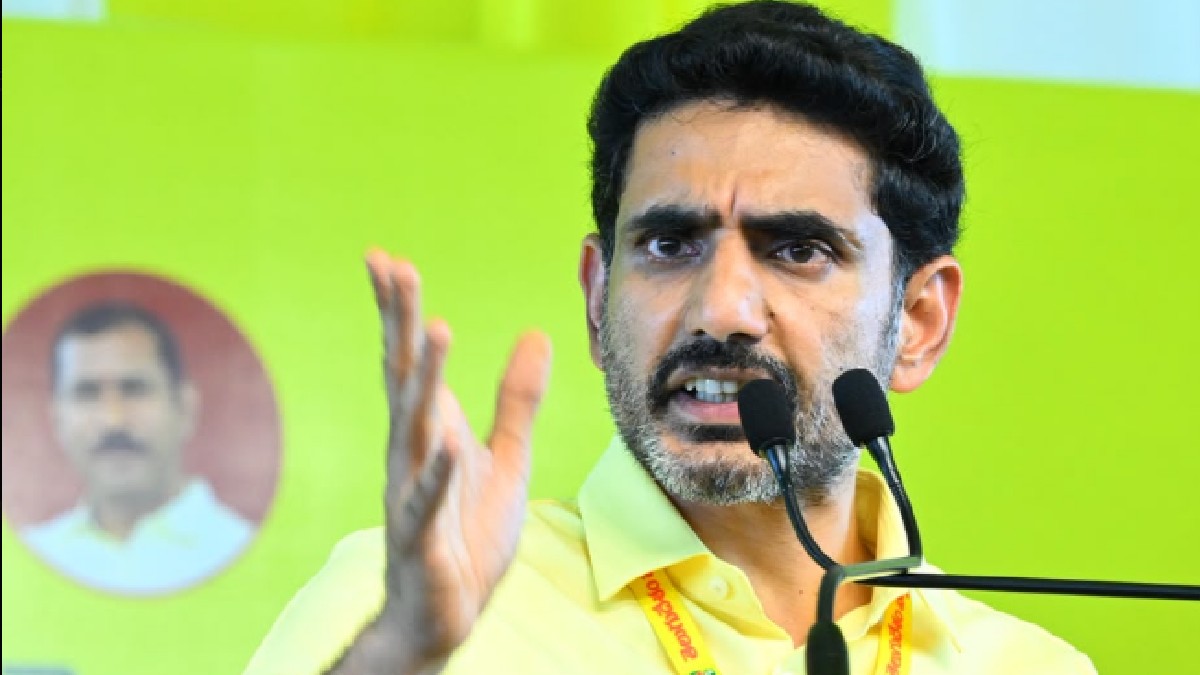
Responding to a post that Sri City could potentially serve passengers from Chennai, Lokesh said Andhra Pradesh already had several big development projects on its plate. "Between Amaravati, Polavaram and 3 economic regions, we have enough development to do in AP already! This is not on our 'to-do' list. Respectfully, we will pass on this," he said.
The remark was made soon after Tamil Nadu Chief Minister C. Joseph Vijay announced that the state government would abandon the Parandur airport project. The project was meant to be Chennai's second main airport and was supposed to cater to the growing aviation needs of the city. But residents and farmers have been opposing the proposal for agricultural land and houses, and the local communities have been vehemently opposing it.
In the Assembly, Vijay said the government will stand by those protesting against the Parandur project. “And in the case of a better location that is less damaging to agricultural land and residential areas of our country,” he said. The Chennai airport is expected to expand further on the ground to include a fifth terminal and is looking at ways to cope with the increasing passenger demand.
The decision to scrap Parandur has been opposed by political leaders and commentators who say that replacing it has the potential to delay Chennai’s aviation infrastructure expansion. Former Tamil Nadu Chief Minister M.K. Stalin called it an “irreversible setback” for the state’s development.
IPS officer-turned-politician K. Annamalai also criticised the decision, stating that finding a new site, land acquisition, and getting regulatory approval would take several years. Political commentator Sumanth Raman also referred to the decision as a major setback and warned a new airport project could face another lengthy approval process.
The debate then crossed the border of Tamil Nadu and Andhra Pradesh after social media users suggested Sri City as an alternative. Sri City is situated very close to the Tamil Nadu border and has become a major manufacturing and business centre in the region.
Sri City is located on the Chennai-Kolkata National Highway and is about 55 kilometres from Chennai. Its proximity to the capital of Tamil Nadu and its industrial base and connectivity led some on social media to wonder if the city could play a larger role in Chennai’s future aviation network.
Between Amaravati, Polavaram and 3 economic regions, we have enough development to do in AP already! This is not on our ‘to-do’ list. Respectfully, we will pass on this. 🙏 😂 https://t.co/f4oxUS1y99
— Lokesh Nara (@naralokesh) August 24, 2026
Lokesh’s response made it clear that Andhra Pradesh is not yet considering such a proposal. His reference to Amaravati, Polavaram, and three economic regions highlighted the state’s current development priorities and suggested that adding a major airport project aimed at serving another state’s capital is not on the government’s immediate agenda.
But the exchange has added a new element to the debate of Chennai's airport expansion. While the Parandur project has been dropped, Chennai's need for more aviation capacity is still a major issue. The state now will need to reconcile infrastructure requirements with land acquisition, environmental impact, and the interests of affected communities.
For now, Sri City's proposed role as an alternative aviation gateway for Chennai is a social media suggestion rather than an active government plan. But Lokesh’s response has ensured that the issue has become another talking point in the ongoing debate over Chennai’s next major airport and the development priorities of neighbouring states.