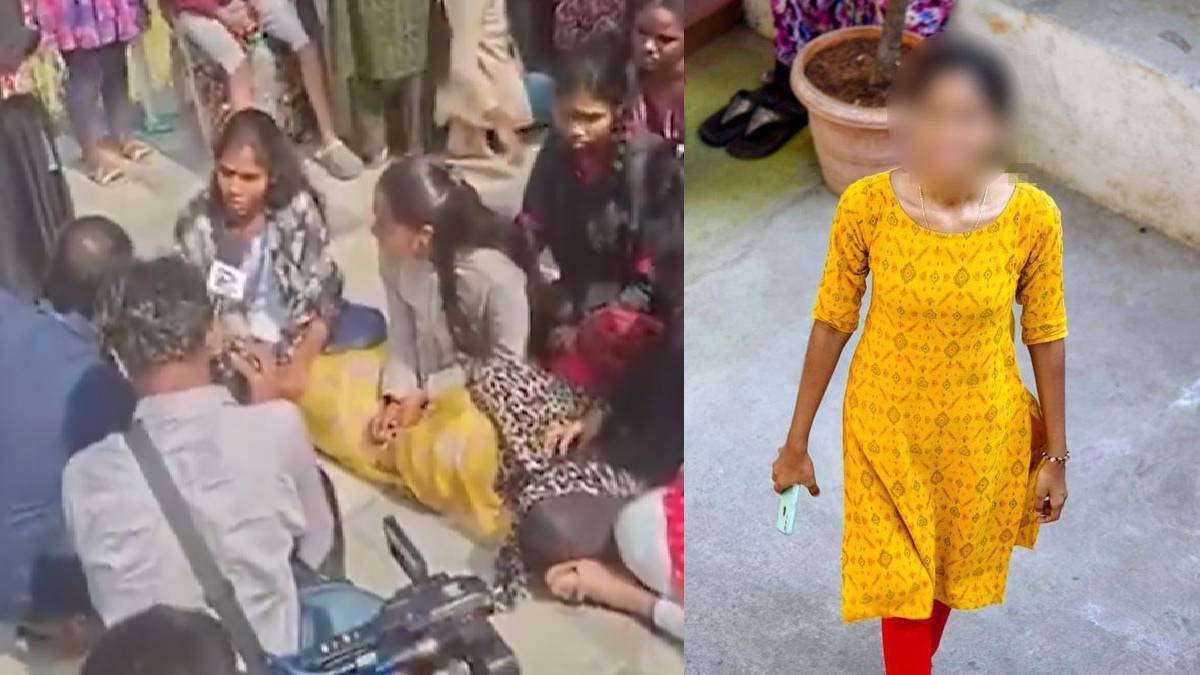
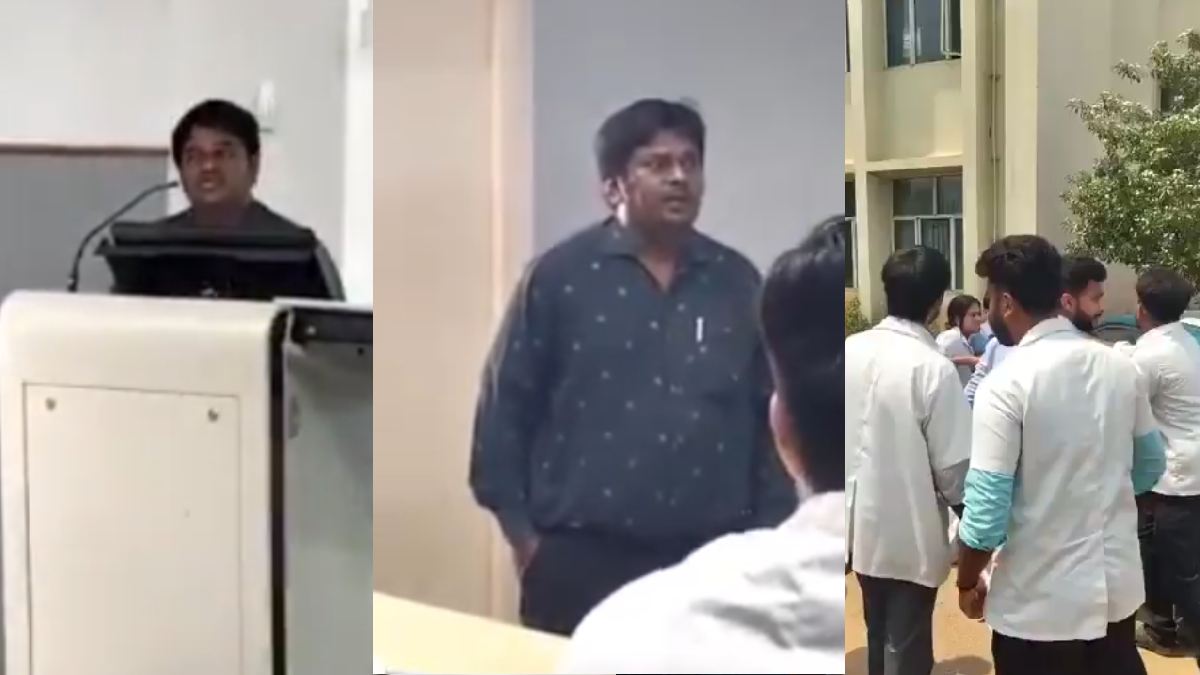
A serious violation occurred in January 2026 when a student from Vishveshwarya Group of Institutions, Noida, Uttar Pradesh, had a full serious accusation. A B-Pharma student accused a faculty member called Lalt Ran of sexually harassing and assaulting her. The incident raises serious worries about student safety, institutional accountability and what it takes to speak out about abuse.
The harassment was conducted while the student was at the college, said the student. Having taken it upon herself to report the incident to the police, hoping that they would punish him. Instead of support, however, she and her batchmates were allegedly threatened by the principal. This added fear and pressure to an already painful situation.
The decision to speak up by the student was not pleasant. Survivors of harassment frequently are afraid of being blamed, judged, or forgotten because few believe the authorities on their side. In educational settings when students rely on faculty and school administrators for grades, guidance and future opportunities the power imbalance can make it even harder to report harassment.
This case underscores the need for safe spaces in colleges and universities. They should feel like their voices are listened to and respected. When someone reports harassment, an institution would not have to play up fearfulness, intimidation or silence; one is supposed to do justice, be empathetic and react as a means of protection.
The accusation also asks more questions of how colleges handle complaints. If the principal genuinely threatened the student and her fellow students, it is a failure in leadership and ethics. Institutions need clear policies and trained personnel for addressing such cases. Ignoring or stifling complaints simply compounds the trauma and perpetuates abuse.
Sexual harassment is not only an individual issue, it’s a societal one. It touches mental health, academic performance and trust in the system. Survivors frequently endure emotional scars for decades. That’s why it is necessary to support them, believe them and to make sure justice is served.
There is, after all, a particular kind of courage in the student here. And regardless of the fear, she chose to say so. Her voice may inspire others to follow her voice and to call. Silence also reminds us that silence protects only the wrong people; however, the truth speaks for the vulnerable.
Now, authorities must ensure. They will now have to take the claims very seriously. If the faculty member is found guilty, strict action should be followed. Accountability is also essential if the principal ever threatens students. No one in power can misbehave and abuse its very essence to silence victims.
This incident requires heightened attention and better education about harassment. Students need to learn about their rights and the route to report abuse and ask for assistance. Colleges should regularly hold workshops, establish anonymous reporting systems, and make sure survivors aren’t punished for speaking out.
Society's role is also significant. Survivors must be supported by families, friends and communities, not questioned. The media should report responsibly, and should be rooted in facts, and must protect identities.
In the end, this case isn't going to be just about one student or one college--it's that sort of environment we want for our youngsters. Education should facilitate, not endanger. Institutions must be places of education, safety, self-respect and learning.
But it’s necessary to realize action from the college, the police and society. Only then can we create a future where all students feel safe, valued, and have the courage to go into learning without fear.