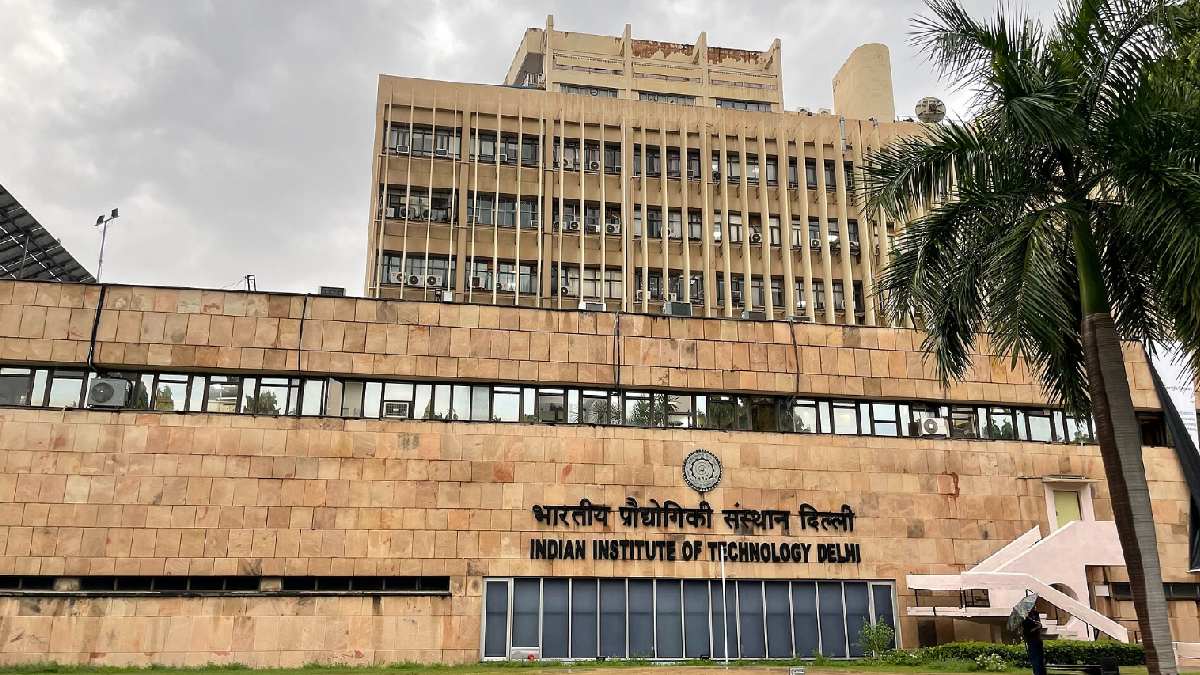
India is changing its higher education ecosystem as top universities are opening and growing campuses across the country. In this new ecosystem, students get to receive internationally recognized degrees without having to leave home for college life with the cost and logistics.
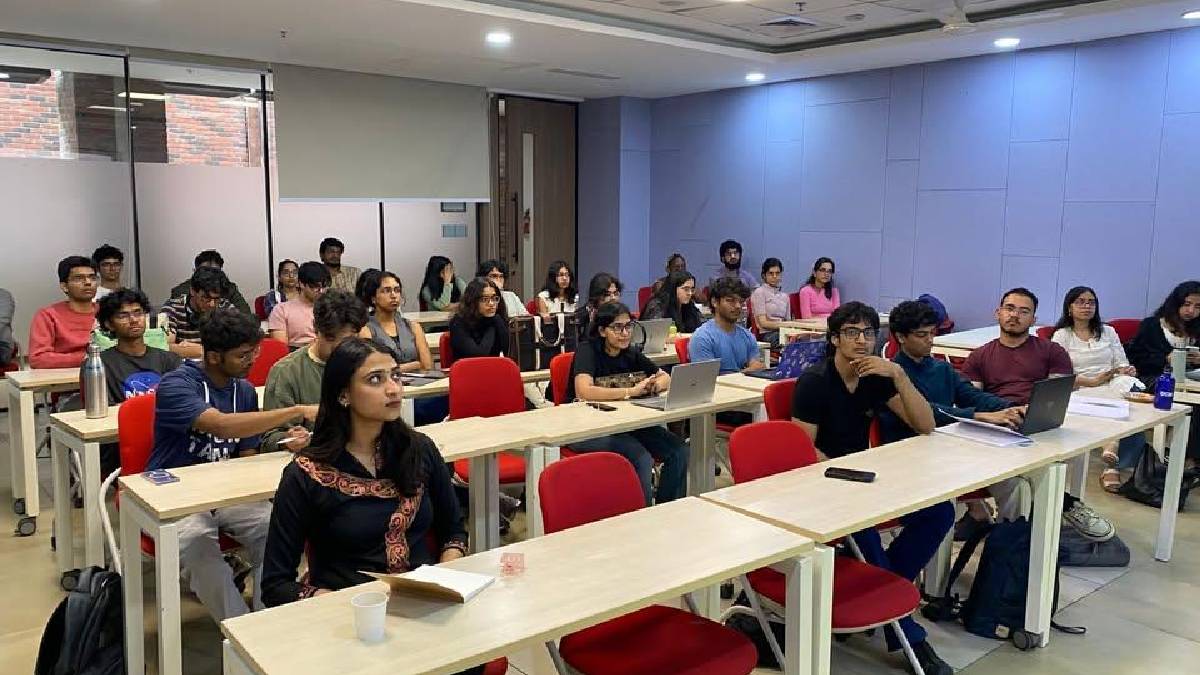
The initiative is gaining momentum as UGC rules allow top-tier foreign universities to set up campuses in India. It is intended to make world-class education accessible to students in India as well as making India a center of global education.
For decades, thousands of Indian students have chosen countries such as the United States, the United Kingdom, Australia, Canada, and Singapore for higher education. But studying abroad comes with high fees (tuition fees, accommodation costs, travel) and visa requirements.
The new foreign campuses will fill this gap by bringing international education closer to home.
Several of the top institutions have already announced plans to open campuses in India as well as admissions through their Indian branches. The campuses will have the same curriculum, teaching standards, research opportunities, and globally recognized qualifications as their parent institutions.
Students coming to these universities will have access to international faculty, modern research facilities, industry partnerships, and multicultural learning environments. Many institutions also plan to offer exchange programmes that allow students to spend a semester or year abroad e.g. a semester or year at the main campuses.
Education experts say this will reduce the outflow of Indian students and foreign exchange students while attracting international students to India. It also supports the objectives of the National Education Policy (NEP) 2020-driven internationalization of higher education and academic collaborations.
The presence of foreign universities will also increase competition among domestic institutions. Indian universities would be able to increase the level of education of their students, expand their research capacity, and improve their teaching methods to be more globally competitive.
Industry leaders have been very pleased with the initiative and said international academic exposure and world-oriented curricula will prepare graduates for multinational jobs and emerging industries. Today, companies value interdisciplinary education, practical learning, and global perspectives, which are the qualities these institutions are trying to create.
But academics say quality and affordability are also key. At foreign campuses, tuition fees may still be higher than in many Indian universities, and scholarships and financial aid are also necessary for access to higher education. Regulatory oversight will also be crucial to ensure that foreign institutions uphold the standards promised to students.
One challenge will be that these campuses need to not be restricted to metropolitan cities. International education would be more inclusive and educational opportunities for international students would be increased.
So far, the foreign campus ecosystem in India is a major change in India's education system. And with international universities more accessible to students, India is developing new dimensions of academics, innovation, and international cooperation.
With more universities opening campuses and expanding their programs, students will soon learn that a globally recognized degree doesn’t need to require moving abroad. In doing so, they can receive an international education but stay connected to their families, culture, and local options.
The growth of foreign university campuses is a new era in Indian higher education one where studying abroad might start from home.