The Supreme Court yesterday directed former Tehelka Editor-in-Chief Tarun Tejpal to surrender within two weeks in connection with the 2013 Goa sexual assault case. The direction came during the hearing of Tejpal’s challenge against the Bombay High Court verdict that overturned his acquittal and convicted him in the case.
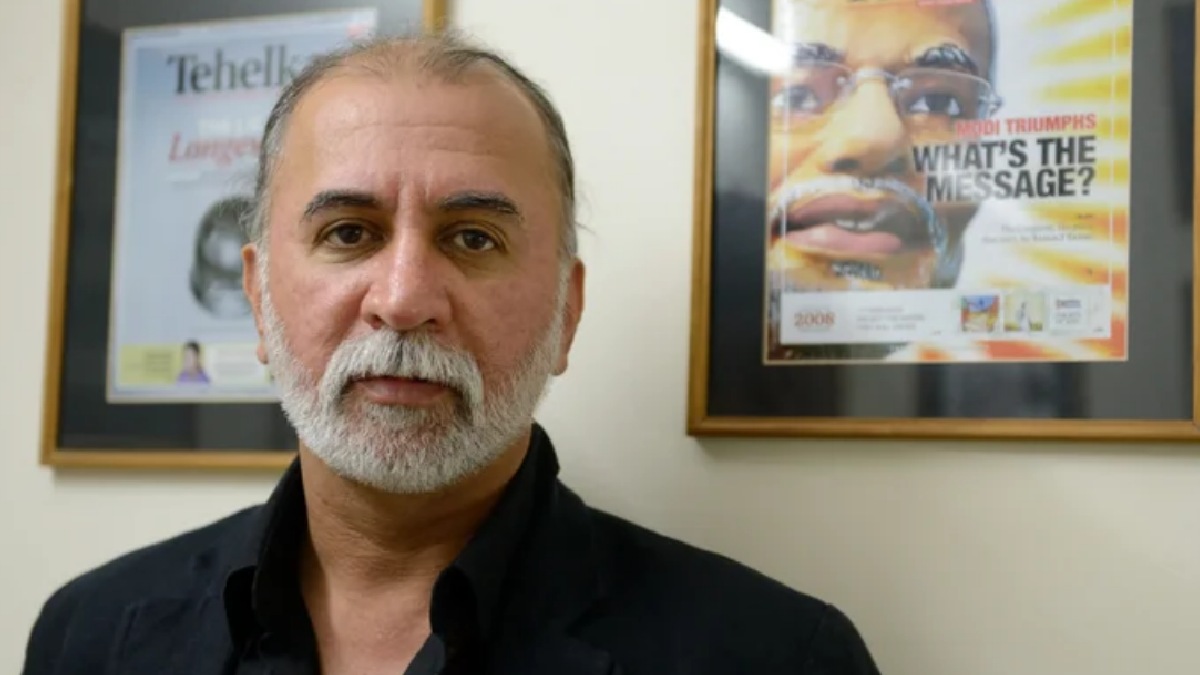
On August 6, the Goa bench of the Bombay High Court convicted Tejpal and sentenced him to 10 years in prison for sexually assaulting a former colleague in 2013. The High Court’s judgment overturned the 2021 acquittal by the Goa Sessions Court, which had cleared Tejpal of all charges after finding that the prosecution had failed to establish the allegations beyond reasonable doubt.
Tejpal, now 63, has challenged the High Court’s decision before the Supreme Court. During the proceedings, the legal question of whether he was required to surrender before his appeal could be considered became clear. The Goa government also approached the Supreme Court seeking an enhancement of the sentence imposed on the former journalist.
The Goa government contended that Tejpal’s appeal against the conviction could not be heard unless he first complied with the requirement to surrender. Solicitor General Tushar Mehta, for the Goa government, said that Tejpal must submit a surrender certificate. He also claimed that Tejpal could seek an exemption from surrender from the top court.
A person challenging a conviction is generally required to surrender and submit a surrender certificate along with the appeal. An accused who wishes to be exempt from this requirement can make an application to the court for relief.
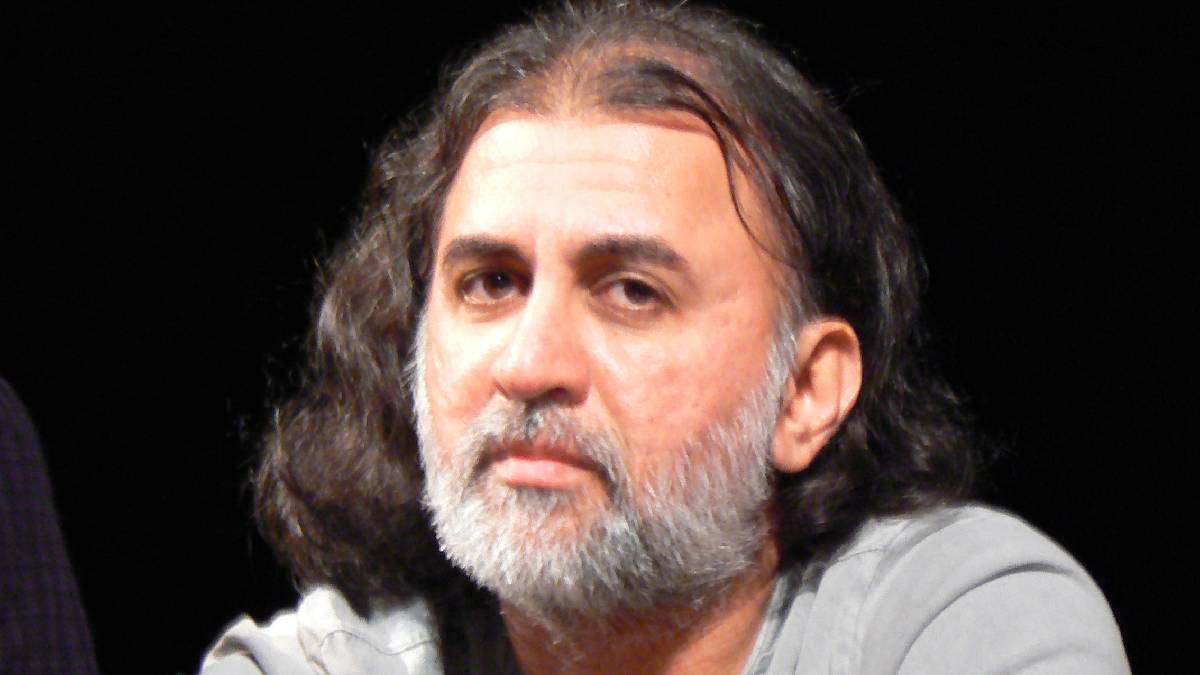
Kapil Sibal, Tejpal’s senior advocate, opposed the demand for immediate surrender. He said that the Bombay High Court had already stayed the operation of the conviction and therefore forcing Tejpal to surrender again would not be appropriate. But Sibal said that if the Supreme Court concluded that he should not receive relief from the surrender requirement, Tejpal would have gone to the court and would have been made to surrender.
Now Tejpal has been told to surrender within two weeks and there is a more extensive court case to square off about his challenge to the High Court verdict. The development is one of the most significant in a case that has been pending at different levels of the judiciary for over a decade.
The 2013 Case
The case dates back to November 2013 when a former female journalist working with Tehelka accused Tejpal of sexually assaulting her in a hotel elevator in Goa. The alleged incidents took place on 7 and 8 November 2013, during an official event in Panaji.
Tejpal was arrested on November 30, 2013, in connection with the allegations. The case was then investigated and tried with the former editor charged under several provisions of the Indian Penal Code, including rape, sexual harassment and wrongful confinement.
On September 29, 2017, the Goa Sessions Court formally framed charges against Tejpal. He pleaded not guilty and contested the allegations throughout the proceedings.
In May 2021, the Goa Sessions Court acquitted Tejpal of all charges. The trial court found that the prosecution did not prove its case beyond reasonable doubt. After the acquittal, the Goa government challenged the decision before the Bombay High Court.
The High Court later looked at the appeal against the acquittal and reached a different conclusion. On August 6, it convicted Tejpal and sentenced him to 10 years in prison, overturning the earlier trial court verdict.
Tejpal has since petitioned the Supreme Court against the High Court order but the government of Goa wants to pursue a tougher sentence. The Supreme Court’s recent decision on surrender is significant in the sense it is a procedural development in the legal battle over the conviction.
The case has attracted a lot of attention because of the identity of the accused, the accusations made by a former colleague and the contrasting judgments by the trial court and High Court. The High Court conviction and the opposing arguments over the sentence will be considered now by the Supreme Court.