The major food adulteration racket in Surat is unmasked as manufacturing a fake ghee factory. Over 2000 kg of the contaminated ghee, along with raw materials and equipment valued at lakhs of rupees, were seized in the raid. Two suspects involved in the incident have been arrested. Officials said the operation had been in operation for almost a year and a half, distributing fake ghee, stolen and concealed, throughout the city.
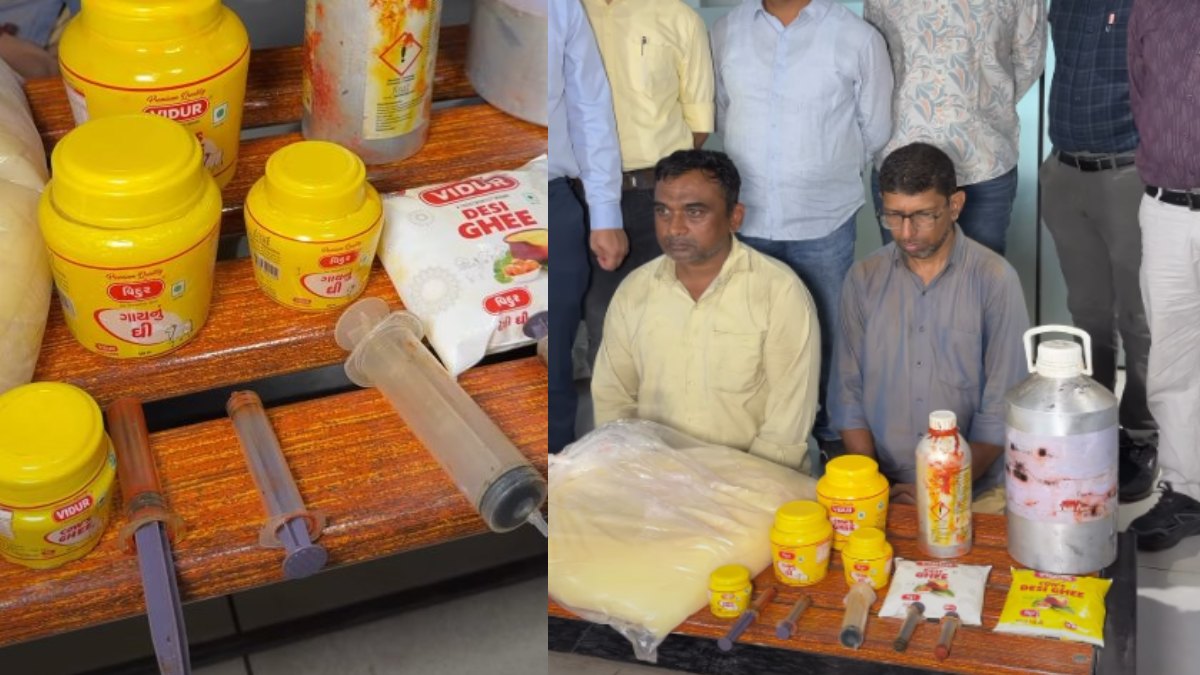
One more factory caught in my city Surat with 2000+ kg of fake ghee
— Nalini Unagar (@NalinisKitchen) April 17, 2026
- They were converting 1 kg of real ghee into 15 kg of fake ghee
- Printed the FSSAI license number, so that no one would suspect.
- Factory has been running for ~1.5 years
- Mixed vegetable ghee, palm oil,… pic.twitter.com/wlmeY9Vxct
Even more disturbing to the case was the sophistication required to solve it. The defendant allegedly blended real ghee only 1 kg with almost 15 kg of fake product, and mixed it up with vegetable ghee, palm oil, artificial color and chemical additives to create the texture, odor and shape that would make it pure ghee.
In a desperate attempt to avoid suspicion, the gang created counterfeit packaging labels that included a genuine-seeming Food Safety and Standards Authority of India license number and which made it difficult for potential customersor even retail shops to detect the scam. Ghee worth approximately ₹14 lakh was found and the gang found the raw materials and articles worth approximately ₹21 lakh at raid site, the authorities said.
The counterfeit products were usually purchased in low-income locations, where prices are low, including slums or small stores and roadside establishments think highway dhabas. The defendants earned a lot of money and put health at risk by appealing to a price-sensitive segment of the market. It’s a catastrophic food contamination at such scale. And that in turn spurs a cascade of various health issues, from intestinal disorders to lifelong pain, because it carries damage, every step of the way, because people feed on such chemically manipulated products.
The incident has raised alarms about the surveillance of food supply chain practices and its effect on how regulations enforce safety. There are now an increasing number of questions, officials said, being asked whether more individuals or wholesaler networks were implicated in the incident.
The very systems may run in parallel elsewhere under the radar. What happened in this case ought to be highly cautionary news for consumers of food products particularly low-cost ones. It also underscores that the authorities need to do more to prevent public health threats from widespread high volume adulteration.