Tamil Nadu among India’s major drought hotspots: 52-year Climate Study Flags Rising Weather Extremes
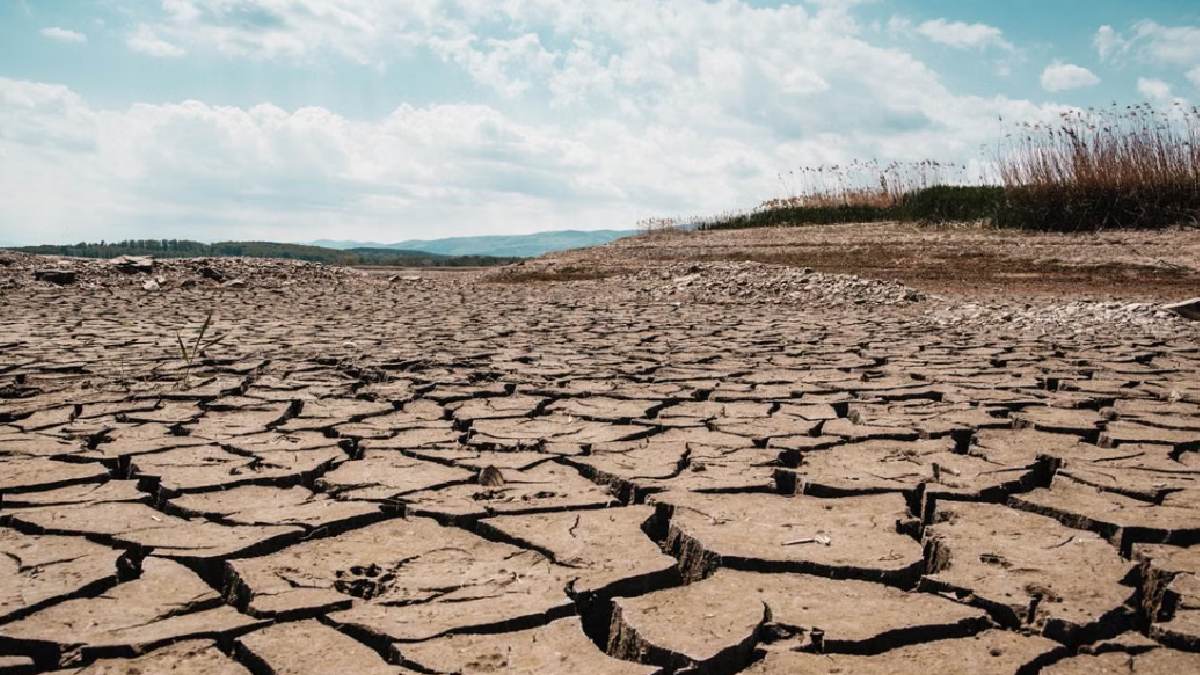
Tamil Nadu has emerged as one of the most critical drought hotspots on India’s eastern coast, according to data from a 52-year climate study that has examined the weather patterns across the country. Rainfall in areas of eastern and southern India was up to 20 percent lower from 1971 to 2022 as the climate extremes increased, with drought conditions becoming a significant worry.
Data collected by scientists from India Meteorological Department (IMD), National Centre for Medium Range Weather Forecasting (NCWR), Atria University, Bengaluru were used in the research. The researchers analysed a range of climate indicators to understand how weather extremes have changed in India over more than 5 decades.
From these findings it is clear that drought extremes are spreading and deepening in parts of India, and Tamil Nadu, Andhra Pradesh and Odisha are among the coastal states that are most vulnerable to drought-related situations.
What does the 52-year study reveal?
The research used a revised India Climate Extremes Index to measure changes for different types of extreme weather. Seven indicators included maximum and minimum temperatures, drought conditions, heavy rainfall events, heatwaves and heat stress.
It is significant because drought cannot simply be described by whether a state receives less rainfall in a particular year. Drought is affected by the timing and distribution of rain, prolonged dry spells, rising temperatures and intense rainfall events.
Tamil Nadu is particularly at risk of these changes as its rainfall pattern differs from that of many other parts of India. A large part of the state’s annual rainfall is during the Northeast Monsoon, typically between October and December. That can make the timing and distribution of monsoon rainfall particularly crucial for agriculture, reservoirs and groundwater resources.
Tamil Nadu’s long-standing drought issue is longstanding.
The new study adds to a long list of studies documenting Tamil Nadu’s vulnerability to drought.
A 2020 study published in Ecological Indicators stated Tamil Nadu is one of India’s states that are particularly vulnerable to drought impacts on agriculture and allied activities. Researchers constructed a single drought vulnerability index of crop and dairy indicators and classified the state’s districts by vulnerability.
The study placed 12 districts in a high-vulnerability category, eight in a moderate-vulnerability category and 10 in a lower-vulnerability category.
The vulnerability was not uniform on the state. Researchers found that a number of districts in northeastern and southern agro-climatic zones had high vulnerability and some districts in the northwestern, western and high-rainfall zones were comparatively less vulnerable.
Such geographical variation is important because a statewide drought assessment can mask large differences between individual districts and agricultural regions.
Rainfall Extremes can create a Double Challenge.
One of the most concerning aspects of changing climate patterns is that heavy rainfall and drought can occur within the same broader weather system.
Tamil Nadu has increasingly faced situations where intense rainfall occurs over a short period, followed by extended periods with little or no rain. Such rainfall concentration does not necessarily translate into better long-term water availability.
Heavy downpours can result in flooding and rapid surface runoff, and the lack of rainfall during critical agricultural seasons can lead to moisture stress. When rainfall becomes more erratic, farmers and water managers have more difficulty planning irrigation and managing reservoirs.
In a recent report on the 52-year study, this broader pattern of intensifying weather extremes across eastern India, including the combination of drought conditions, heavy rainfall and heat-related stress was highlighted.
Agriculture At risk.
Drought conditions have direct implications for Tamil Nadu's agricultural sector.
Reduced rainfall will affect sowing, crop growth and yields, especially in areas that depend on rainfall rather than guaranteed irrigation. Lower inflows into reservoirs can put pressure on irrigation systems and drinking water systems as well as on drinking-water supplies.
There have been studies showing that drought vulnerability in Tamil Nadu has been strongly linked with agriculture and allied activities. The 2020 district level assessment showed that none of the districts considered had adaptive capacity greater than the combined effects of exposure and sensitivity (Researchers).
Drought preparedness shouldn’t just be rainfall forecasting. Water conservation, groundwater recharge, efficient irrigation and crop planning are also important elements of managing drought risk.
Southern and Cauvery Regions Need Attention
Other research has also highlighted drought concerns in different parts of Tamil Nadu.
A recent study on future monsoon droughts found that drought proneness could increase in some Tamil Nadu agro-climatic zones under projected climate scenarios, particularly during the Southwest Monsoon. The Cauvery Delta and Southern Zone were among those areas where drought amplification could become more pronounced under higher-emissions scenarios.
Research focusing on southern Tamil Nadu has also found that the southern zone is highly prone to moderate drought conditions at shorter rainfall timescales, demonstrating that drought characteristics can vary substantially depending on the region and the time period studied.
Why the Findings Matter
The 52-year study gives us a longer-term perspective on India’s changing climate and not just one exceptionally dry season.
The findings of Tamil Nadu highlight the importance of preparing for greater variability in rainfall and temperature. But the problem isn’t simply “less rain”; rainfall’s distribution, intensity and timing can also indicate whether water is available for people, crops and ecosystems.
Water storage and conservation are therefore more crucial. Rainwater harvesting, restoration of traditional water bodies, groundwater recharge and more efficient irrigation could alleviate vulnerability during long dry periods.
And farmers may also need drought-resilient crop varieties, better weather information and agricultural planning that takes seasonal rainfall forecasts into account.
Climate Risks Could Become More Complex
Tamil Nadu’s drought risk is part of a national pattern of changing weather extremes. Climate extremes are not limited to traditionally dry regions of India, the 52-year study finds. Coastal and humid regions can also suffer much more severe drought stress when rainfall patterns are erratic.
At the same time, a drought hotspot classification does not mean that every district or every year will experience severe drought. Drought intensity varies across locations and seasons, and different studies use different indicators and time periods.
But the long-term evidence for Tamil Nadu makes one thing very clear: water management and climate adaptation will be crucial as rainfall is more and more variable and extreme weather events become harder to predict.
The latest findings add urgency to efforts to strengthen drought preparedness in the state for agriculture, drinking water and groundwater resources all depend on reliable water availability.