Tamil Nadu Minister Sengottaiyan has said that the state’s Chief Minister will “definitely not allow” the construction of the proposed Mekedatu dam, reiterating Tamil Nadu’s strong opposition to the project being planned by Karnataka across the Cauvery River.
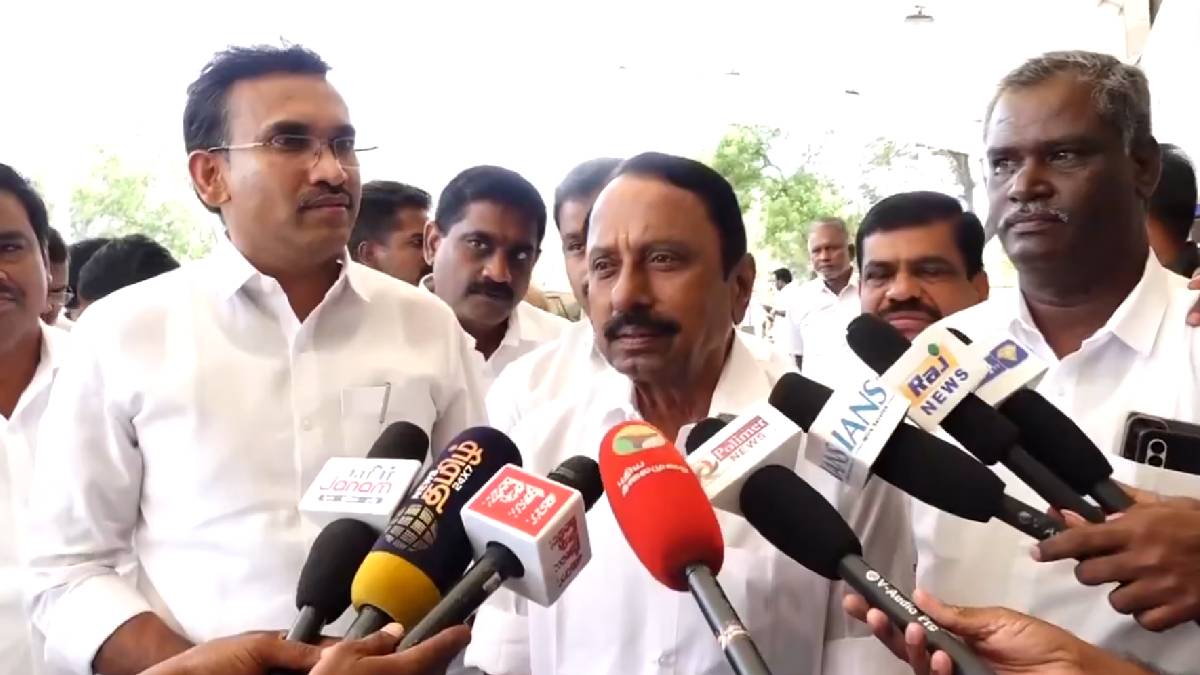
“Our CM will definitely not allow Mekedatu dam construction,” Sengottaiyan said in Coimbatore.
“Our CM will definitely not allow Mekedatu dam construction.”
— News Arena India (@NewsArenaIndia) July 31, 2026
- TN Minister Sengottaiyan in Coimbatore pic.twitter.com/fakkE2XgXY
The minister’s comments come at the height of political debate over Cauvery water sharing between Karnataka and Tamil Nadu. The Mekedatu project has long been the subject of conflict, with Karnataka arguing that the proposed balancing reservoir would be beneficial to Bengaluru’s drinking water and water management, while Tamil Nadu has expressed worry that it will be responsible for the depletion of downstream drinking water.
Tamil Nadu has vehemently opposed the project, asserting that any major storage structure upstream would affect the flow of Cauvery water to the state. The issue is particularly sensitive because farmers in Tamil Nadu’s Cauvery delta rely heavily on the river for irrigation.
What Sengottaiyan’s statement means is that Tamil Nadu’s government will continue to have a firm position on the project. The Cauvery issue of this type has long been a sensitive political issue and has had a significant relation to public opinion and inter-state relations, he said.
Mekedatu is proposed near the border between Karnataka and Tamil Nadu. Karnataka has argued that the project is intended only to provide drinking water to Bengaluru and the vicinity and also to create electricity. The Karnataka government has maintained that the project would not violate existing water-sharing arrangements.
Tamil Nadu has questioned whether the project will affect the flow of water downstream. Political leaders and farmers’ organisations in the state have argued that Karnataka should not proceed with the project if it does not address Tamil Nadu’s needs and get the necessary permissions.
The issue has also been a matter of legal and administrative action. Tamil Nadu has approached the Supreme Court and other government bodies over and over again to oppose the project, while Karnataka has sought approval and moved forward in planning.
The Cauvery River is a crucial water source for both states. Karnataka depends on the river to supply irrigation, drinking-water supply and employment for the economically stressed state, while Tamil Nadu relies on Cauvery water for agriculture and the needs of the delta communities.
The issue got more attention lately as Karnataka and Tamil Nadu have been at loggerheads over water releases. Political parties in both states have highlighted the Cauvery issue as an issue of farmers, water security and regional interests.
Sengottaiyan’s statement is likely to strengthen the Tamil Nadu government’s public stance and could lead to more political reactions from Karnataka. Supporters of the project in Karnataka are expected to continue arguing that the proposed reservoir is necessary to meet the growing drinking-water requirements of Bengaluru.
The future of the Mekedatu project will depend on environmental clearances, legal proceedings, technical assessments and decisions of relevant authorities. The project is subject to legal proceedings and regulatory and judicial processes, and Karnataka and Tamil Nadu's political positions are expected to be drastically different.
And the Minister’s comments in Coimbatore show that Tamil Nadu will continue to oppose the Mekedatu dam. The statement is likely to keep the project at the centre of the wider debate over Cauvery water-sharing and inter-state river management.