Tamil Nadu State Minorities Commission Chairman Felix Gera has praised the TVK-led Tamil Nadu government, calling it a ‘true saviour of minorities’, and welcomed the State Assembly's resolution opposing amendments to the Foreign Contribution Regulation Act (FCRA) proposed by the Government.
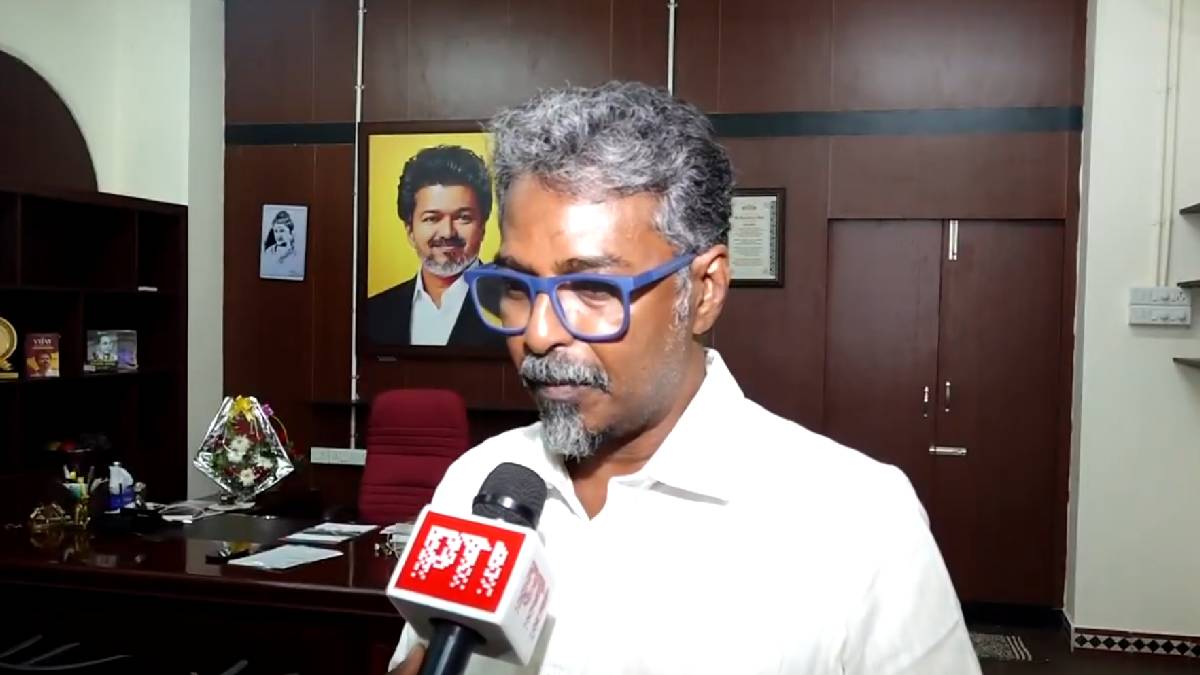
Gera said the resolution passed by the Tamil Nadu Assembly against the proposed FCRA amendment could prevent the Centre from proceeding with the legislation. His comments come at a time when India’s foreign contribution regulations are being debated in a wider political context.
“TVK-led govt true saviour of minorities, resolution passed in assembly against FCRA amendment will stop central govt from bringing the bill,” Gera said.
The statement puts the Tamil Nadu government at the centre of the ongoing debate over the proposed FCRA changes. Opposition parties, civil society organisations and religious groups have raised concerns about the possible impact of tighter regulations governing foreign contributions.
“TVK-led govt true saviour of minorties, resolution passed in assembly against FCRA amendment will stop central govt from bringing the bill.”
— News Arena India (@NewsArenaIndia) August 11, 2026
- Tamil Nadu State Minorities Commission Chairman Felix Gera pic.twitter.com/7FktyrR5fd
The Foreign Contribution Regulation Act is applicable to all organisations in India receiving foreign contributions. It is applicable to all non-governmental organisations, charitable organisations and associations that receive funds from overseas.
Central to this system of regulation is that foreign contributions are transparent, accountable, and for national security in the Centre’s view. But some critics have warned that even more restrictions are at risk for legitimate charitable and social organisations which depend on foreign funds for their operations.
The Tamil Nadu Assembly's resolution has thus become an important political development in the FCRA debate.
Gera’s comments suggest that the state government regards the Assembly resolution as a strong political statement against the proposed amendments. He also linked the move to the protection of minority interests in Tamil Nadu.
The statement comes as political discussions are taking place between the state government and the Union government over legislation on public policy.
The FCRA issue is particularly sensitive as organisations receiving overseas contributions are required to comply with several regulatory requirements. Any change to the law would therefore impact how such organisations operate, receive funds and do social or charitable activity.
The proponents of stronger regulation say foreign contributions need to be closely monitored so as not to allow financial fraud and so as not to divert money overseas from India’s laws or national interests.
Those wishing for tighter restrictions argue that legitimate organisations should not face excessive regulatory burdens and that compliance requirements should not interfere with humanitarian, educational, healthcare or social welfare work.
It is on the basis of this that the Tamil Nadu government's opposition to the proposed amendments has added another layer to the political debate.
Gera is also very much in favor of the government, as this is a political issue for minority organisations in the state. His comment indicates that the Tamil Nadu State Minorities Commission considers the Assembly's action to be a very real one in favour of the interests of communities and organisations which will be affected by the proposed changes.
But an Assembly resolution itself does not decide the legislative process at the national level. The Union government and Parliament still control the central legislation, and the legal and constitutional implications of the proposed FCRA amendments would determine how the issue ultimately proceeds.
The resolution can, however, serve as a formal expression of the Tamil Nadu government's political stance and may be part of the larger debate around the Bill.
The dispute is also another example of how India should be able to weigh national security, financial transparency and regulatory oversight against the operational freedom of legitimate civil society organisations.
For the TVK-led government, the issue is a chance to position itself as a strong advocate for minority and civil-society interests. For the Centre, the proposed amendments are part of its overall approach of monitoring foreign contributions and accountability and regulation.
The coming weeks could see further political exchanges over the issue and, in particular, if the Centre initiates the proposed legislation.
Felix Gera's comments have also reinforced the Tamil Nadu government's opposition to the FCRA amendments, and the Assembly’s resolution is an important step towards the FCRA and the importance of the resolution by the Assembly as an important step.
The FCRA debate will be a key political issue in Tamil Nadu at present; the state government and the Centre will be opposing such changes and the impact on minority and civil society organisations.