The US President Donald Trump has turned down a seven-day ceasefire request from Iran and the tensions between Tehran and Washington continue to raise fears of further escalation of the war in West Asia. Trump said in a conversation with his aides that he expects US strikes against Iran to resume after the November midterm elections, the Wall Street Journal reported.
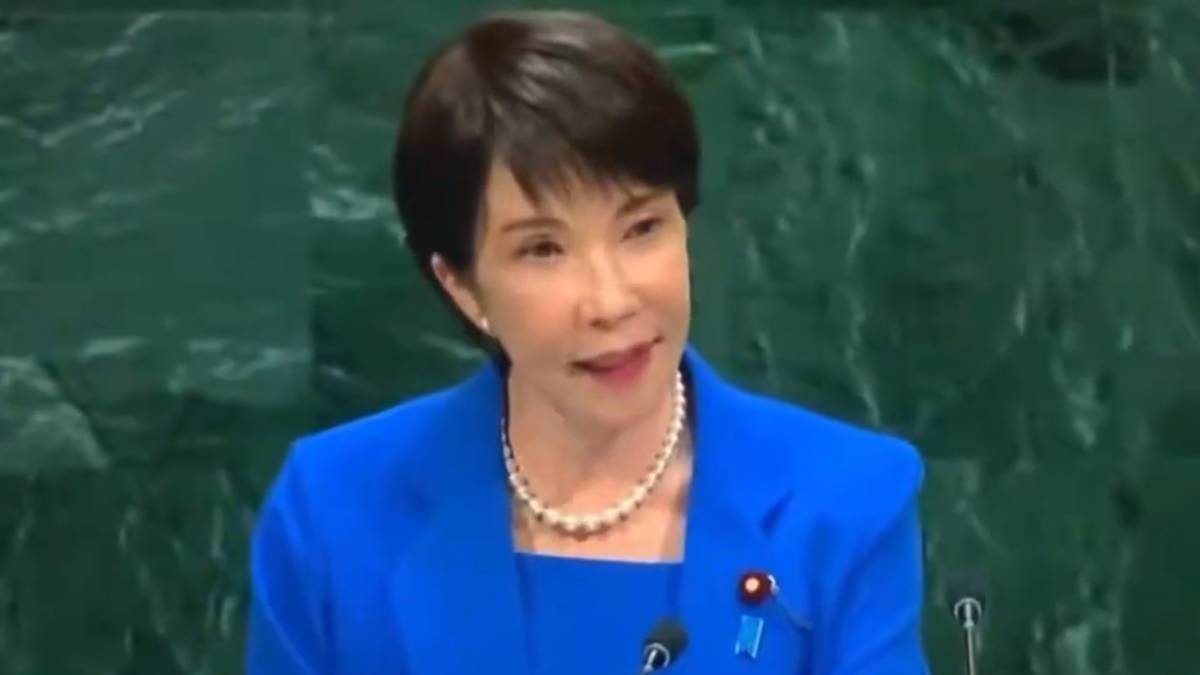
The rejection came as Iranian Foreign Minister Abbas Araghchi announced this week that Tehran had submitted a proposal through intermediaries to re-open the Strait of Hormuz within seven days and restart negotiations over Iran’s nuclear programme.
The plan was presented at the United Nations General Assembly in New York, where diplomacy to solve the dispute is a major focus.
Under Iran’s option, Tehran would reopen the strategically vital Strait of Hormuz if certain conditions were met. The negotiations on a broader agreement on Iran’s nuclear activities would then begin. Iran’s offer was communicated to the United States through mediators, with Iran’s proposal linked to the lifting of the US blockade of Iranian ports.
Araghchi said the proposal was designed to set up negotiations and it would be better to reach an agreement before the US midterm elections. Iran has said it is prepared to engage in diplomacy over its nuclear programme but wants changes in US military and economic pressure on it.
The Strait of Hormuz is still an important issue because it is a shipping artery for international energy. It connects the Persian Gulf with the Gulf of Oman and is one of the main routes for global oil and gas shipments. If a disruption happens, energy supplies and shipping costs and markets far abroad might get affected.
Iran’s proposal to open up the waterway has repercussions far beyond the immediate US-Iran conflict.
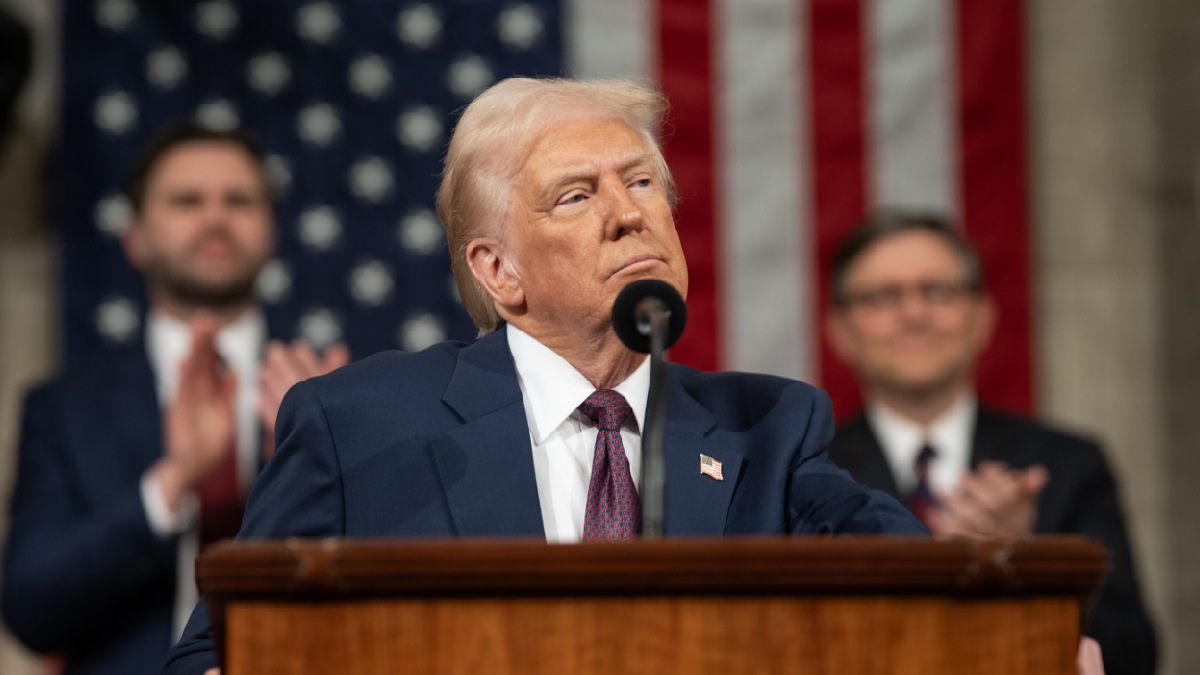
The development comes just days after Trump addressed the 81st United Nations General Assembly on September 22. Trump said he was forced to decide between reaching a deal with Iran or taking much more severe action against Tehran. Trump said he believed a deal would be reached after the US midterm elections.
Trump’s UN speech showed the continuing friction between military pressure and diplomatic negotiations. And while the president said he was hopeful there would be a negotiated settlement, his message also included a warning of severe action if an agreement was not reached.
The comments came as US and Iranian representatives were negotiating by indirect diplomatic means on the sidelines of the UN gathering.
Iranian President Masoud Pezeshkian in recent weeks has said Tehran is prepared to reach an agreement with Washington. Pezeshkian also mentioned an earlier June deal at the United States-Iran negotiating center and said Iran will not go to war.
Pezeshkian’s comments indicate that Tehran is still publicly presenting diplomacy as an option despite the worsening military situation. Iran has also criticised US actions related to the Strait of Hormuz and urged the end of what it calls U.S. military pressure.
The seven-day proposal’s rejection now puts the diplomatic process in question. Trump expects US bombing to resume soon after the November midterms, but the Wall Street Journal report is based on accounts from anonymous US officials and not a publicly announced military timetable. Iran also was waiting for an official response to its proposal.
The situation remains fluid and many problems remain unresolved: the Strait of Hormuz, sanctions and the future of negotiations over Iran’s nuclear programme. The two sides have continued to hold dramatically different positions but they leave the door open for more diplomatic talks.
The US-Iran conflict is closely watched for countries dependent on energy deliveries through the Gulf. A new military campaign will create more uncertainty for shipping and energy markets since the US-Iran conflict could cause further uncertainty for shipping and energy markets and economic uncertainty as well.
If relations between the US and Iran are going to be further complicated by an expanded military campaign, a diplomatic deal could help ease the pressure on the region.
But Iran’s seven-day proposal was rejected, and the report that Iran rejected Iran’s seven-day ceasefire-making proposal to hold talks in the seven-day period is a sign that there are still questions as to whether there is still a lack of signs of hope with respect to whether negotiations can lead to a permanent ceasefire at the moment.
The coming weeks are therefore expected to be key for US-Iran relations given the November midterm elections. Any decision by Washington or Tehran on military operations, the Strait of Hormuz or nuclear negotiations would have implications for the wider West Asian conflict and international energy security.