The Tamil Nadu government has introduced new restrictions on the carrying of camera-enabled mobile phones inside 52 major temples across the state, with the new measure effective from September 1, 2026.
Under the new system, devotees carrying smartphones with cameras are required to deposit their devices at designated counters before entering the temple premises. The storage facility is paid for by a nominal fee of Rs 5 per phone. But HR&CE Minister S Ramesh has said that ordinary mobile phones without camera facilities are allowed inside the temples.
The move was introduced in order to safeguard the sanctity and peaceful atmosphere of major temples. According to HR&CE department, photography, video recording, selfies and social media videos inside temple premises have become a problem especially as they inconvenience other devotees or interfere with worship. The move is also a follow-up to earlier directives by Madras High Court on mobile phones not being used in temples.
The restriction doesn’t mean that all mobile phones have been banned. Mobile phones with no camera can still be brought inside, the government said. Camera-equipped devices, which can be used to photograph deities, record rituals, shoot videos or create social media content, are the focus here. Devotees who bring camera-equipped mobile phones are expected to leave them at the storage counters before entering the temple, the government said.
In order to implement this new rule, temple administrations have established deposit counters and secure storage facilities. And when worshipers deposit their phones, they are given a copy of an acknowledgement slip or token to take with them after worship and the department was asking temple authorities to make arrangements and increase the number of counters where necessary to reduce waiting times and congestion.
The Devarajaswamy-Athi Varadar Temple in Kanchipuram was one of the prominent temples where the new system was implemented. The phone deposit facility started at 6 am and its staff was appointed to manage the process. Details such as the devotee’s picture, mobile phone model and phone number were taken before storing the device. The phone could be collected by showing the acknowledgement and completing the verification process.
The Rs 5 charge has also attracted attention. According to the HR&CE department, the amount is not meant to function as temple revenue. It is meant to meet expenses associated with operating the phone-storage system such as staff, lockers, security arrangements and related technological infrastructure. The department has described it as a nominal fee necessary to support the new facility.
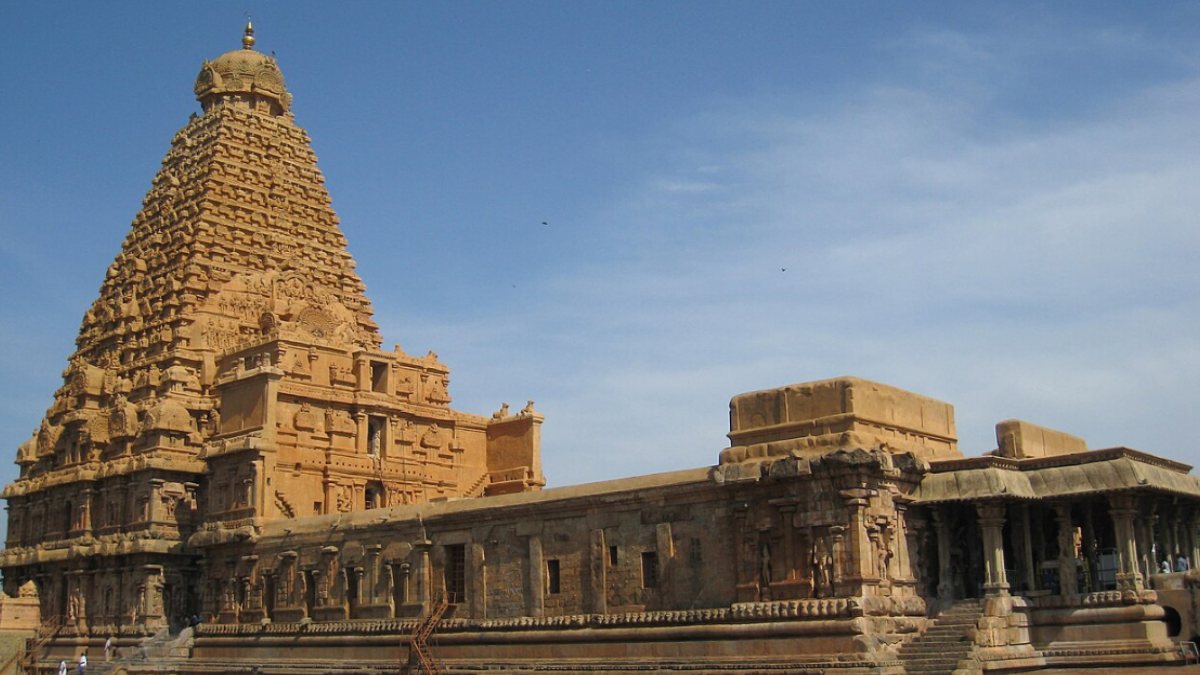
Several important temples are covered by the restrictions, including well-known religious sites in Chennai, Kanchipuram, Madurai, Tiruchirappalli, Tirunelveli, Coimbatore, Salem, Ramanathapuram, Tiruvannamalai and many others. The list includes important temples like Kapaleeswarar Temple in Mylapore, Parthasarathy Temple in Tiruvallikeni, Kamakshi Amman Temple in Kanchipuram, Varadaraja Perumal Temple, Ekambareswarar Temple, Meenakshi Sundareswarar Temple, Ranganathaswamy Temple in Srirangam, Arunachaleswarar Temple, Ramanathaswamy Temple in Rameswaram and many others.
The new system has received mixed reactions from devotees and temple staff. They argue that camera phones will not only keep temples quiet and less distracted, but they also say that not taking casual photography and social media recording won’t interfere with religious places and people can be protected in them.
At the same time, there have been concerns about how to store thousands of valuable smartphones. Temple staff have pointed out that mobile phones are expensive personal devices and management of large quantities of them is a big responsibility. There have also been concerns about waiting lines at deposit counters at festivals and weekends and at other times of heavy footfall, and many people have raised questions about possible queues at deposit counters.
The temple administration was supposed to supply enough counters and storage infrastructure to meet those requirements. Devotees were also advised to leave camera-equipped phones at home (in their accommodation or in their vehicles) and leave behind camera-equipped phones in their vehicles before visiting temples. This should help reduce queues and make the entry process easier.
The policy builds on restrictions already in place at several important Tamil Nadu temples such as Palani, Tiruchendur, Madurai and Rameswaram. The HR&CE department has now expanded the implementation to 52 major temples under its administration.
The limitations on mobile phones in Tamil Nadu temples are part of an effort to keep modern mobile phone usage in line with traditional expectations of the religious places. So far smartphones have become our primary communication tool and daily companion, but the authorities say their camera and recording functionality may clash with temple rules and the needs of other worshippers.
If devotees are going to visit any of the 52 temples covered by the order, this is the main point to be made. The camera-enabled smartphones of all the 52 temples have to be deposited before entering, and the camera-less mobile phones can be used as a substitute.
The new Rs 5 deposit system will offer an organized system for those who have to carry their smartphone while traveling through the temple. With the introduction of this new system, the safety and security of deposited devices, the efficiency of the counters and the ability of temple administration to control the crowds and avoid any undesired delay will all be factors to be considered.
In the end, the goal is for devotees to enter the temples without the distractions of photography, video recording and social media. Now that the restrictions are in place from September 1, 2026, the next few weeks will show how well the new arrangements work at the major temples in Tamil Nadu.