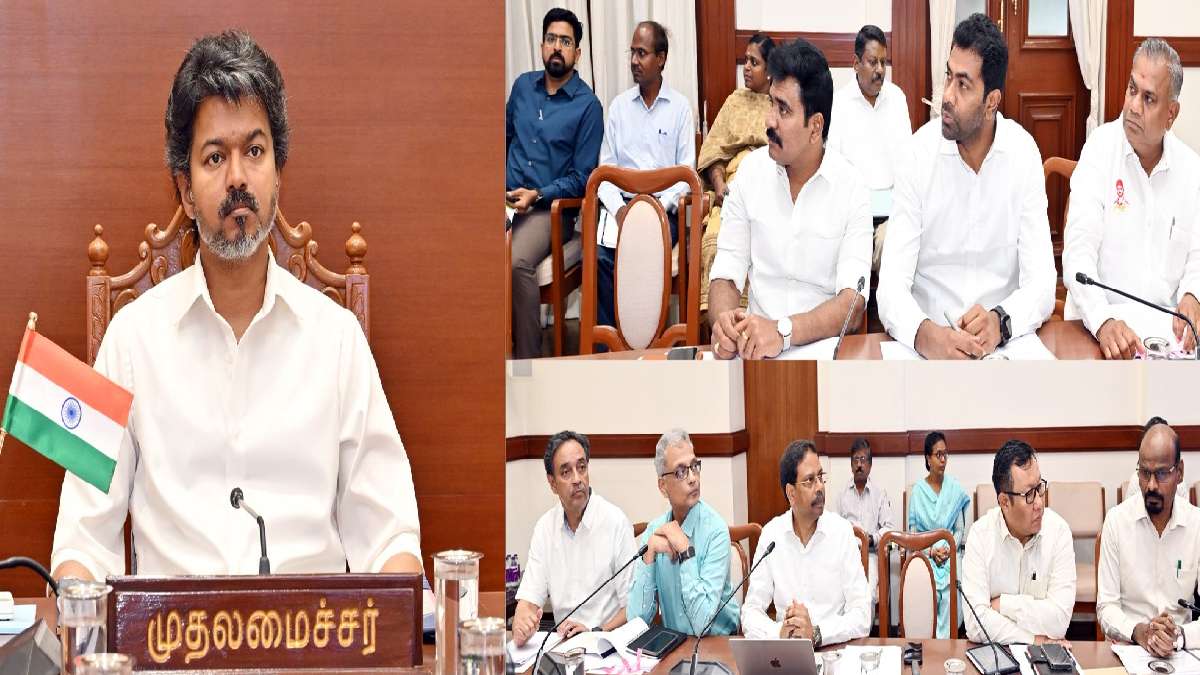
There has been a debate about governance and fairness of implementing court orders after recent events in Tamil Nadu. A Hindu temple was demolished on judicial orders, leading devotees to cry. However, authorities said the state government had halted its illegal building destruction with a court‑ordered order to demolish an illegal church because Christian groups protested. In another case, the government did not abide by High Court orders and did not allow Hindus to light the traditional Karthigai Deepam at Thiruparankundram. These two contrasting acts in practice have resulted in accusations of selective enforcement and raised questions about how faith and law should be properly reconciled in the state.
The Temple Demolition:
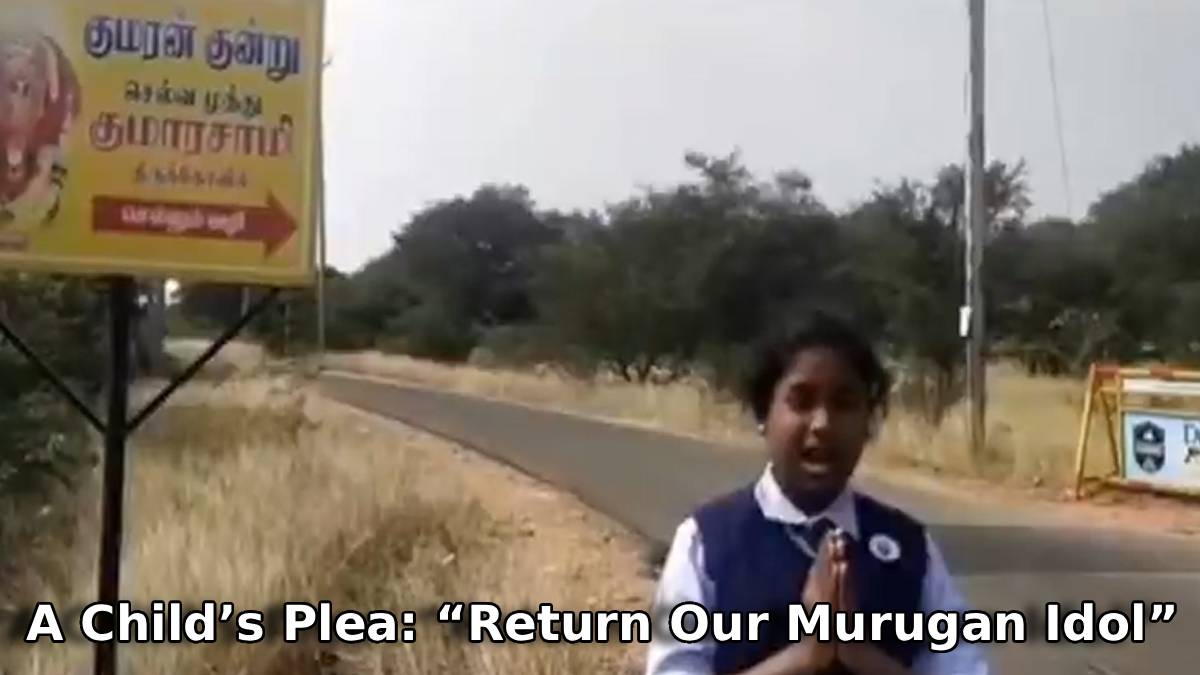
In one case a Hindu temple was razed under the pretext of ‘court orders’ for Hindu beliefs and worship. For devotees, the demolition involved more than just a physical destruction of a building, however: It was the destruction of a sacred place that also held emotional and spiritual significance. Many worshippers were seen weeping, mourning and resenting what they felt was an inexcusable act of non-responsive implementation of legal edicts. The temples in Tamil Nadu, these places of worship, of course are also cultural centers that hold communities together. The abrupt demolition without any proper discussion or alternative plans has met with fire and a smattering of criticism as a slap in the face to sentiments with which the people should have known the act of destruction that is.
Hindu temple is demolished in Tamilnadu citing "court orders" as Hindu devotees weep.
— Hindu Network Foundation (@hindufund_) January 8, 2026
The same Tamil Nadu govt stopped a court-ordered demolition of an illegal church after Christian protests. The same govt refuses to implement HC orders allowing Hindus to light Karthigai Deepam… pic.twitter.com/KXO1ZGofgT
The Church Case:
Reports show that when a court ordered the demolition of an illegal church in Tamil Nadu, government forces intervened and stopped the action after Christian groups protested. Critics interpreted this decision as an example of leniency towards one community while heavy regulation was applied to another. It's a move to maintain peace and avoid communal tension, supporters of the government say. But critics say such selective application of the law violates the fundamental principle of equality before the law and breeds a sense of resentment within communities.
Karthigai Deepam Issue:
The other clash involves the rejection of High Court orders to allow Hindus to light Karthigai Deepam at Thiruparankundram, a very significant religious practice for Hindus. For devotees, this is a denial of their sacred right to observe customs that have been part of Tamil culture for millennia. Karthigai Deepam festival symbolizes light, devotion, and continuity of faith. To prohibit its practice even after a fair trial is considered as an affront to Hindu culture and has also added to feelings of being discriminated against on the part of many.
Public Reaction:
The incidents have sparked huge social waves, and online and offline reputes. A great many Hindus feel their faith is being punished and that other communities are being treated favorably. Law for Hindus, leniency for others: this phrase has become a rallying cry among people who think governance ought to be unbiased. At the same time, there are those who warn at times, to not treat such issues as purely a question of religion. They contend that governance makes them complex matters of law and order and harmony. But the perception of imbalance persists and it has provoked much discussion.
Governance and Equality:
The heart of the dispute itself is not just law, but also equal enforcement of the law. In a multijurisdictional state such as Tamil Nadu with diverse religions, the governance must not be viewed as one-sided or biased. This selective enforcement not only erodes confidence in institutions, but has the potential for deepening fracture among communities. Lawyers argue that even if states have leeway to enforce court orders, that discretion should be exercised fairly and openly with fairness. Otherwise, they have the impression that some communities will be favored and others will suffer.
The destruction of a Hindu temple, a stalled demolition of a church, and the blocking of Karthigai Deepam at Thiruparankundram, have all brought Tamil Nadu together seriously on governance issue. To many, these events make those that represent selective enforcement of law and unfair treatment of faiths to some. The current discourse, the state of mind that will not only be faced, however, is to regain the confidence of the people through its implementation of laws and to do justice to these communities' cultural and religious feelings, and hence return to law and morality. Governance should concern justice and equality, not selective action. Only then may we preserve the Tamil Nadu tradition of harmony in harmony with the rule of law.