The Telangana unit of the Bharatiya Janata Party has questioned the sudden transfer of Hyderabad Cyber Crime Deputy Commissioner of Police V. Aravind Babu, as the decision came just one day after his unit registered cases involving Meta India and several social media account operators over alleged deepfake and objectionable content targeting Prime Minister Narendra Modi.
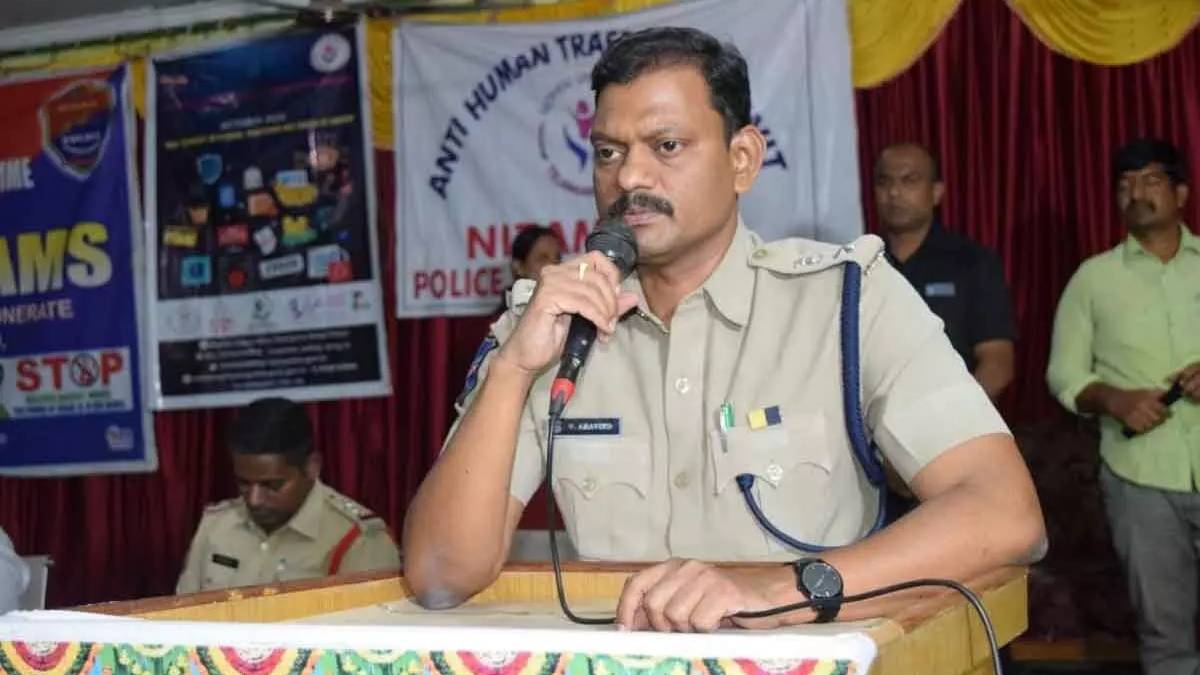
The timing of the transfer has triggered a political controversy, with the BJP asking the Telangana government to explain whether the development was connected with the cybercrime investigation.
The party has highlighted the sequence of events and argued that the transfer needs more transparency. As claimed by the BJP, the officer was moved just after the Hyderabad Cyber Crime Police took action on the manipulated videos and other objectionable material involving the Prime Minister.
The Telangana government has not publicly stated that the transfer was linked to the Meta-related case. Therefore, the BJP’s claim is a political one, not an official reason behind the administrative decision.
The controversy follows a major cybercrime investigation in Hyderabad involving morphed and AI-generated content targeting Prime Minister Modi. Police filed cases against some Facebook and Instagram accounts and named Meta India’s head Arun Srinivas in connection with the circulation of the disputed content.
The manipulated videos were also believed to have been circulated at a time of large-scale protests related to the examination paper leak controversy.
Aravind Babu, who was the Deputy Commissioner of Police for Hyderabad Cyber Crime, had publicly indicated that the police were preparing to communicate with Meta and pursue further action as part of the investigation.
The decision to name the head of Meta India in the case also drew attention because senior executives of global technology companies are not usually named personally in criminal complaints related to content posted by users on large social media platforms.
Meta said it was working with the authorities and cooperating to address the issue. Questions have come up about digital platforms’ responsibility for content uploaded and circulated by users.
The Telangana BJP has now connected the subsequent transfer of the senior cybercrime officer with the timing of the investigation. Party leaders have questioned whether the administrative move was routine or connected to the politically sensitive case.
This has given new life to the debate on social media regulation, deepfakes and technology companies’ responsibility.
Deepfake technology uses artificial intelligence to generate (or adapt) images, videos, and audio so that fabricated content appears genuine. The rapid growth of such technology has raised concerns about misinformation, reputational harm and the possible manipulation of public opinion.
Political figures are increasingly targeted by manipulated digital content. This kind of material can quickly spread on social media and would be difficult to differentiate between genuine and fake footage.
The Hyderabad case has therefore attracted attention beyond Telangana as it concerns how social media companies are to respond to allegedly unlawful or manipulated political content.
The BJP has claimed that the transfer of the officer immediately after the case was registered raises questions that should be answered publicly. It will want answers to the question of why, and whether the officer’s conduct of the investigation played any role.
But transfers of police officers are done for several administrative reasons such as departmental needs, routine postings, restructuring and changes in official responsibilities. If there is no official explanation for linking this transfer to the Meta investigation, then a direct connection cannot be considered.
If the Telangana government does not provide a detailed clarification on the timing of the transfer, the political tension will escalate.
It may also trigger another debate about whether cyber crime investigations are independent when large technology companies, prominent political leaders and allegations of manipulated online content are involved.
For the BJP, the real question is whether the timing was coincidental or whether the transfer was connected to the investigation initiated by the Hyderabad Cyber Crime unit.
For the Telangana government, the matter could become a test of transparency and public communication. A clear explanation of the administrative decision would help to settle political disputes and prevent speculation.
As the Meta-related investigation continues, attention will remain on the transfer of Aravind Babu and the response of the Telangana government to the questions raised by the BJP.