The Supreme Court on Monday ordered the Election Commission of India (ECI) to resolve the bitter dispute between rival factions of the All India Trinamool Congress over the name and the symbol of the party’s traditional “Flowers and Grass” election campaign. The court has set up a time-bound schedule for the two groups to present their cases before the poll panel within four weeks and be given the result from the Election Commission within three months.
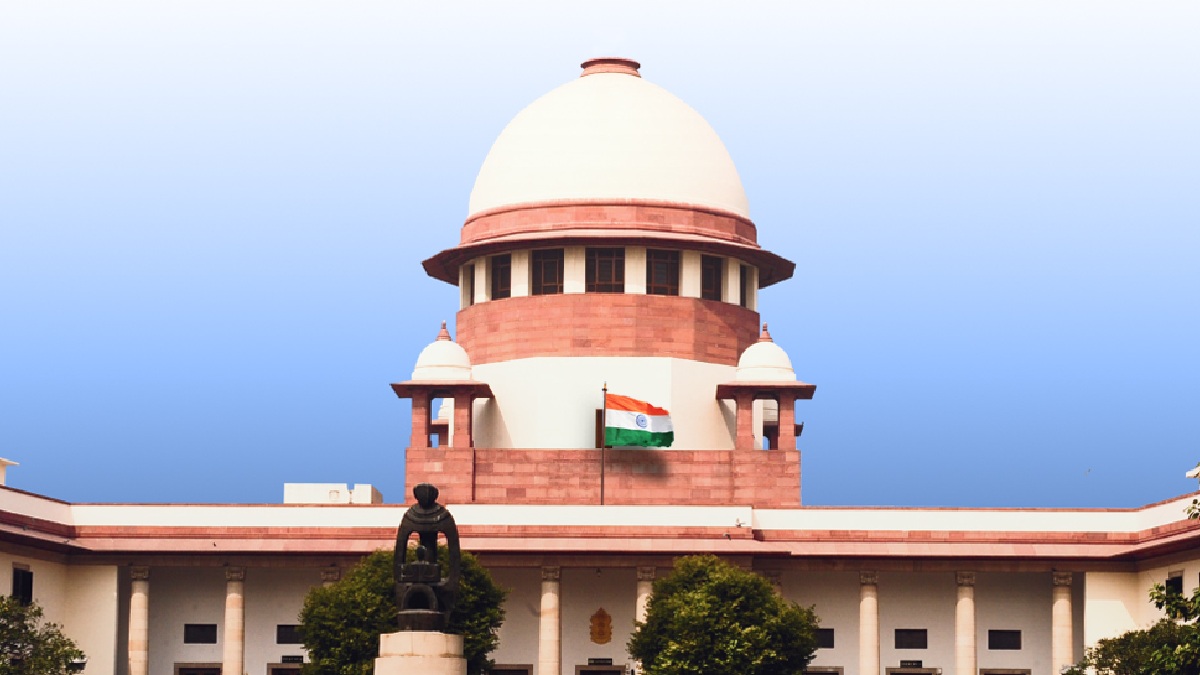
The order came after the Election Commission’s interim decision to cease the use of the original name of Trinamool Congress - “Flowers and Grass.” The disagreement arose after a factional split in the party and has become significant with by-elections in West Bengal on February 27.
Supreme Court Sets Time-Bound Process
The Supreme Court’s new direction sets a firm timeline for the Election Commission to resolve the dispute. The two sides have four weeks to put their pleadings, responses and supporting materials before the poll panel and, once their submissions are complete, the Election Commission will make its decision within three months.
The court’s intervention follows its earlier order to ask the Election Commission to specify how much time it would take for the court to decide the dispute. The court had on September 24 asked for a firm timeline from the poll panel to provide a reasonable time frame for the matter and that they have to conclude the matter in a way that does not cause indefinite delay. The matter was taken up again on September 28 for further directions.
The Supreme Court has not made an opinion on the merits of the competing claims. The rival factions will present their evidence and arguments before the Election Commission which is charged with deciding the substantive dispute.
Why The TMC Name And Symbol Dispute Matters
The conflict is over the identity of the All India Trinamool Congress and its reserved election symbol, flowers and grass. Election symbols are very much part of India's electoral system, because they give voters a visual identity for political parties and candidates.
The Election Commission had earlier passed an interim order freezing the use of the original TMC name and symbol after rival groups launched competing claims. The move came as West Bengal was preparing for by-elections including contests in Nandigram and Rejinagar.
According to the poll panel, the competing claims required substantive adjudication under the Election Symbols (Reservation and Allotment) Order, 1968. Instead of ruling out the final ownership of the party name and symbol, the Commission set up an interim arrangement for the upcoming by-elections.
Rival Factions Receive Separate Names And Symbols
The faction led by Mamata Banerjee was given the name Mamata All India Trinamool Congress and Football Player symbol. The other faction was given the name Democratic Trinamool Congress and Envelope symbol for the relevant electoral contest.
This means the electoral process can still go on while the bigger fight is still pending before the Election Commission. The Supreme Court’s order, however, will now mean that the fundamental issue of which side is entitled to the party name and traditional symbol will now be addressed in a clear timeline.
What Happens Next?
The immediate step is to have both sides submit their pleadings to the Election Commission within four weeks. Their submissions are expected to form the basis of the poll panel’s adjudication of the competing claims.
Once those pleadings are complete, the Election Commission will have three months to make its decision, so the entire schedule is about four months from the Supreme Court’s order. The final determination will settle the competing claims to the TMC’s name and “Flowers and Grass” symbol.
The Supreme Court’s intervention does not determine which faction will ultimately retain the original TMC identity. Instead, it creates a deadline-driven process through which the Election Commission is expected to hear both sides and to issue its decision. The interim names and symbols for the by-elections are still part of the existing electoral system.