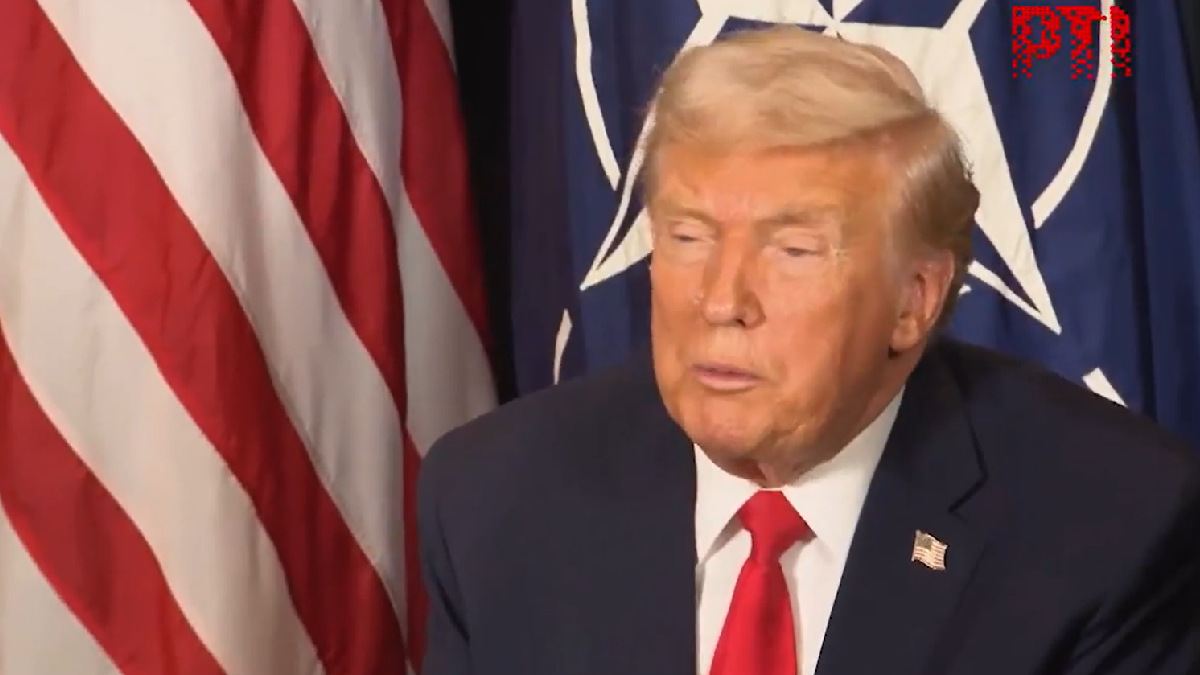
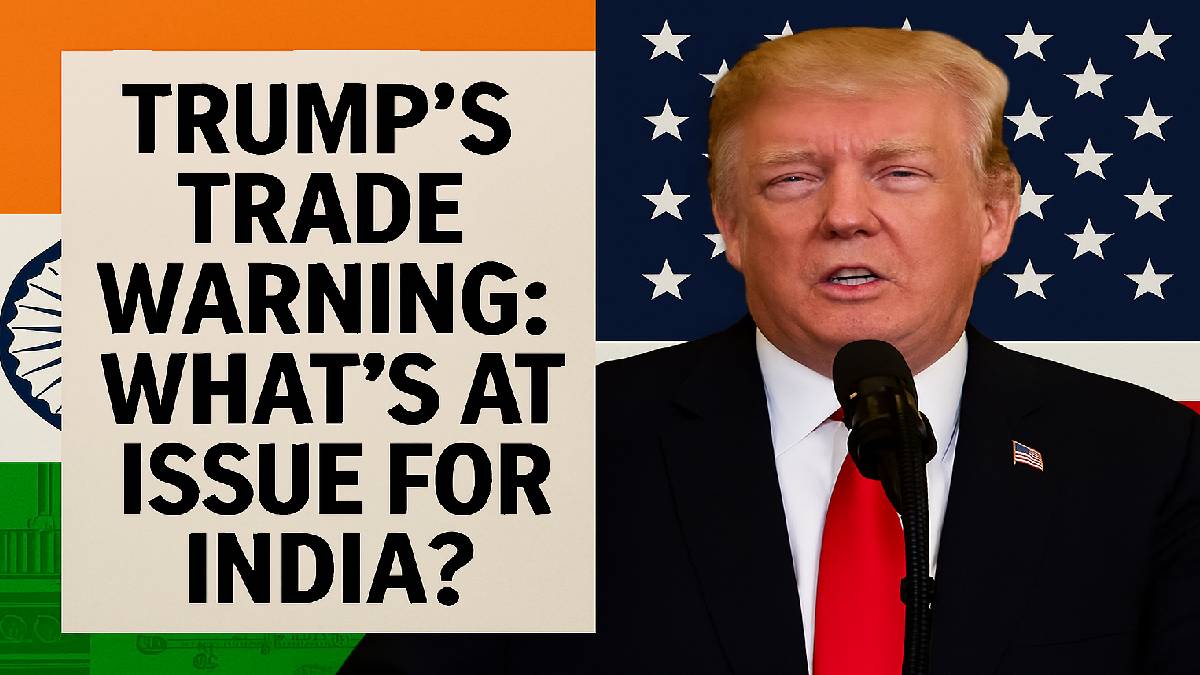
Global trade tensions again have risen to the surface after U.S. President Donald Trump gave warning to trading partners — including India — against turning away from trade obligations with the United States. His message is one of increased import duties under other U.S. trade laws, reopening new concerns for global supply chains and export-driven economies. And the stakes for India are great.
What Triggered the Shift?
The crucial step came when the United States Supreme Court overturned Trump’s earlier global tariffs under the International Emergency Economic Powers Act (IEEPA) and found that the administration did not have the authority to wield emergency powers like Trump did. Trump responded with a 15% global tariff on imports as a measure to impose a hard line on trade enforcement. He also suggested that other legal mechanisms (such as Section 232 national security tariffs and Section 301) could be used to levy duties, as required, that were unique to countries. Its message is unambiguous: it will closely watch trade compliance, and breaches may prompt greater tariffs.
India’s $86 Billion Exposure
The U.S. is India’s biggest export destination, with bilateral goods exports estimated at some $86.5 billion a year. A universal 15% tariff may undermine price competitiveness in the American marketplace.
Most Vulnerable Sectors
Many Indian industries rely on thin margins and American demand:
- Textiles & Garments
- Gems & Jewellery
- Marine Products (Shrimp)
- Carpets & Handicrafts
- Pharmaceuticals
If tariffs remain put or go up even more, volumes exported could plummet. Some estimate exports to the United States to decline to almost $50 billion by 2026 if pressure from tariffs remains long and firm.
Supply Chains Under Stress
Increased tariffs raise landed costs for American importers, potentially prompting them to:
- Convert sourcing to other countries
- Renegotiate contracts
- Reduce order volumes
This has a ripple effect throughout Indian manufacturing hubs, affecting job creation and manufacturing exports. Textile and handicrafts and other sectors, for instance--where there is broad employment in rural or semi-urban areas for them -- may feel the pressures most personally.
India’s Strategic Pause
There are also reports now that India has postponed a major trade delegation visit to Washington to get clear on the outlines and length of the new global surcharge. Instead of rushing to react, New Delhi seems to be:
- Taking stock of U.S. developments in the law
- Assessing long-term trade position
- Checking whether the 15% tariff is permanent or temporary
Before entering deeper negotiations, policy stability will be important.
Potential Risks — and Possible Openings
Risks
- Declining export competitiveness
- Pressure on jobs in labor-intensive sectors
- Investor uncertainty
- Global supply chains disrupted
Potential Opportunities
If the 15% tariff is applied evenly across all countries, India could still be relatively competitive among others in the sector, relative to nations that had higher country-specific duties. It might open up space for strategic repositioning in certain categories. India’s drive to diversify its exports, especially those into emerging economies — electronics, engineering products and value-added processed items — also may help mitigate some of the hit, the analysis notes.
The Bigger Picture
This is a more global shift in trade dynamics. The world’s two largest democracies — India and the United States — are deeply economically entwined. But trade relations are subject to the domestic political and legal developments in Washington. The situation remains fluid. Whether the 15% tariff is a temporary measure or morphs into a much wider protectionist framework will dictate long-term effects for India’s export economy.
Trump’s renewed trade warning adds uncertainty at a crucial moment for global business. The concern for India is more than simply about tariffs — it threatens export competitiveness, workers’ prospects, confidence among investors and their strategic economic position. Yet while policy makers and exporters continue to monitor, one thing is undeniable: adaptability and diversification will be essential as we navigate an ever-changing world of trade. It’ll be months before a complete policy shock — or the start of something much deeper: A realignment in India–U.S. trade relations.