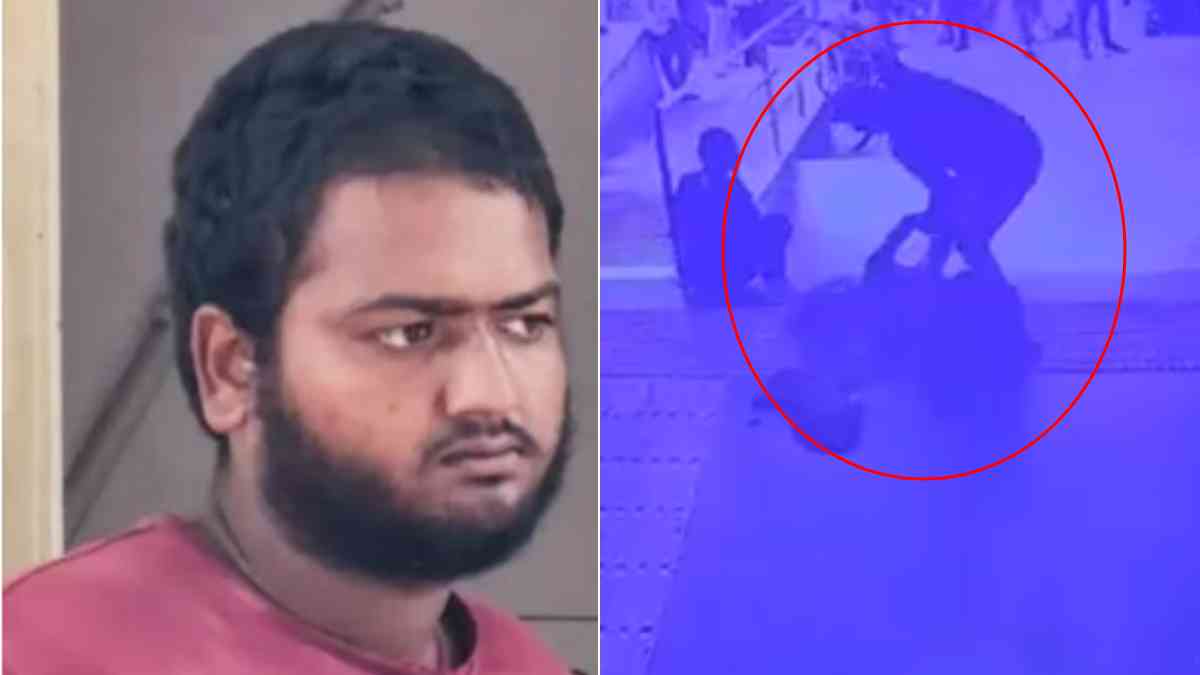
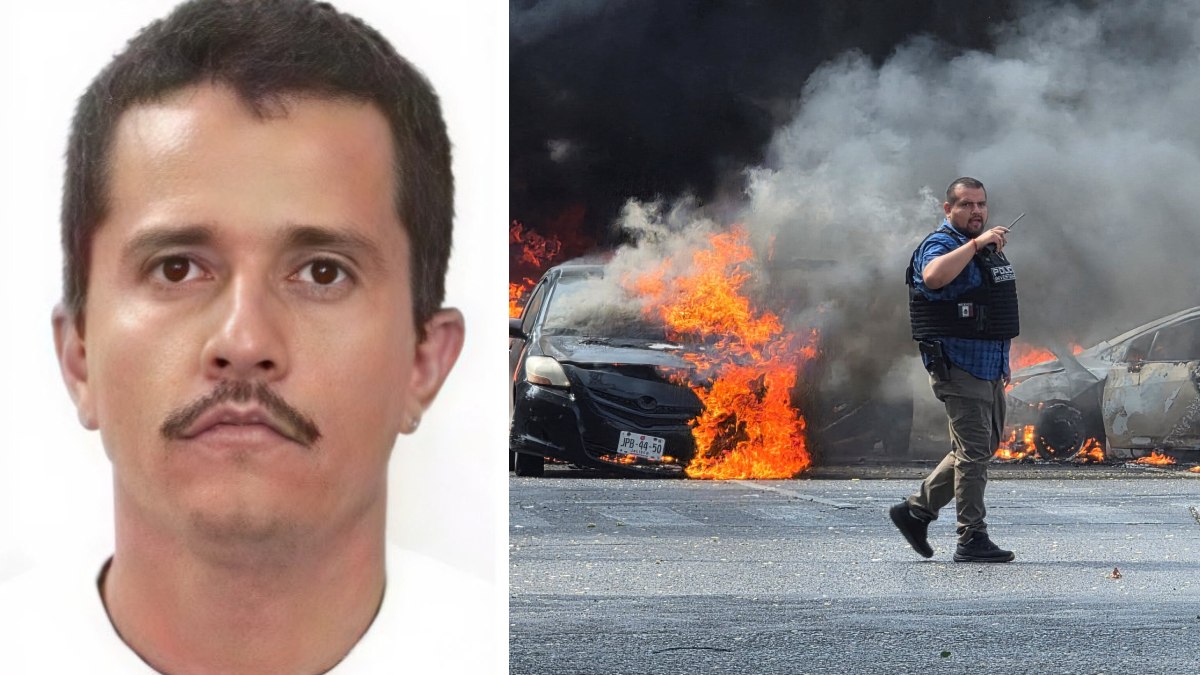
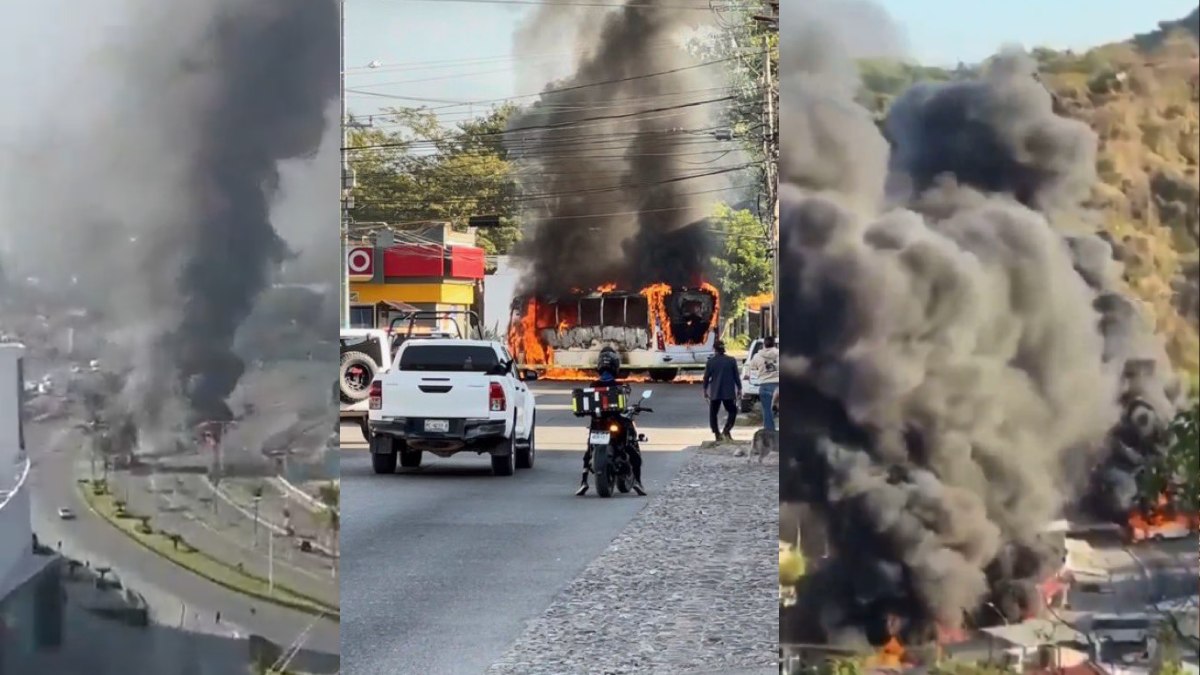
Mexican travelers who plan on going anywhere are currently dealing with a deluge of disturbing headlines after a huge security incident that occurred on February 22, 2026. Nemesio “El Mencho” Oseguera Cervantes, the leader of the Jalisco New Generation Cartel (CJNG), was killed in a military operation and immediate retaliatory violence, a series of “narco-blockades,” and arson in several states ensued.
Although it is fluid, the ramifications differ widely from one point to another. As of February 25, 2026: The breakdown of safety for Mexico’s most popular tourist destinations
The Storm’s Center: Puerto Vallarta
Puerto Vallarta, in the state of Jalisco (where the cartel’s stronghold is) took the brunt of the initial unrest. On Sunday they issued a "Code Red" and shelter-in-place order for all residents and visitors after burning vehicles clogged major highways and blocked access to the airport.
Current Status: The U.S. Embassy itself formally lifted that shelter-in-place directive on February 24. While flight schedules are returning to normal and additional flights have come online to assist stranded travelers, there is still a night-time curfew for American government personnel.
If you are presently in Puerto Vallarta, you are encouraged to stay within tightly-controlled resort zones and to refrain from intercity highway travel. If your travel plans are set for the next 5–7 days, a lot of experts advocate for the use of airline waivers to delay until the “aftershocks” of a leadership vacuum subside.

Cancun and the Riviera Maya: Real Business
Though included in some broad provisional security warnings, the Caribbean coast which covers such areas as Cancun, Playa del Carmen, and Tulum is largely unaffected by violence. In Quintana Roo regional cartel activity is different from that in Jalisco. The tourism infrastructure is operating at full power.
Status: As of February 23, our office at the U.S. Embassy lifted all emergency directives from those areas. Cancun International Airport is working and there are no roadblocks or civil unrest at the hotel zones. Such areas are at present classed as a "Green Light" for travelers, assuming regular situational awareness is kept.
Cabo San Lucas: Safe and Stable
The southern edge of the Baja Peninsula has served as a haven of stability during this crisis. Cabo San Lucas and San José del Cabo did not fall under the emergency shelter-in-place orders. The geographic isolation of the Baja peninsula allows it to be protected from the land blockading seen on the other half of the mainland of Mexico.
Current Status: But Cabo is now classified as Level 2 (Exercise Increased Caution) by the U.S. State Department, which sets the baseline for international travel. No travel restrictions have been reported on flights or resort operations. It is still one of the safest options for those hoping to escape the mainland’s current tensions.
Key Safety Measures for 2026 Travel
If you have plans to go to Mexico this week, follow the following guidelines:
- Remember to Travel on Toll Trunks (Trails): If we travel between cities, then we choose to use Cuota (toll) roads there are fewer blocking roads and they are safer, more reliable and faster.
- Sign Up with your Embassy: Citizens of the United States should enroll in the STEP (Smart Traveler Enrollment Program) to get SMS alerts from your Embassy in real-time if the conditions in Mexico change.
- Daylight travel only: When you are in resort areas or any resort areas, don’t drive at night as such: Avoid driving at night.
- Watch Airline Waivers: Major carriers, including United, American and Air Canada, are issuing flight waivers for cities that are hit by a change-fee waiver that affect travel up until the first half of March a city struck with such events is Puerto Vallarta and Guadalajara, among others.