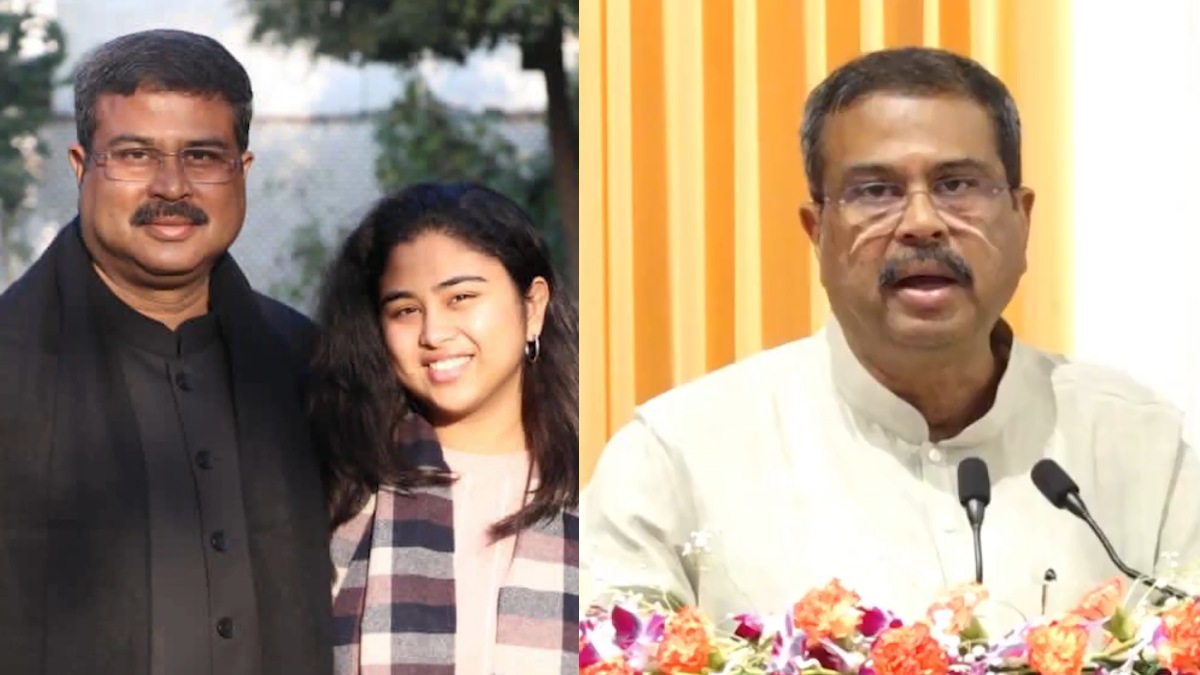
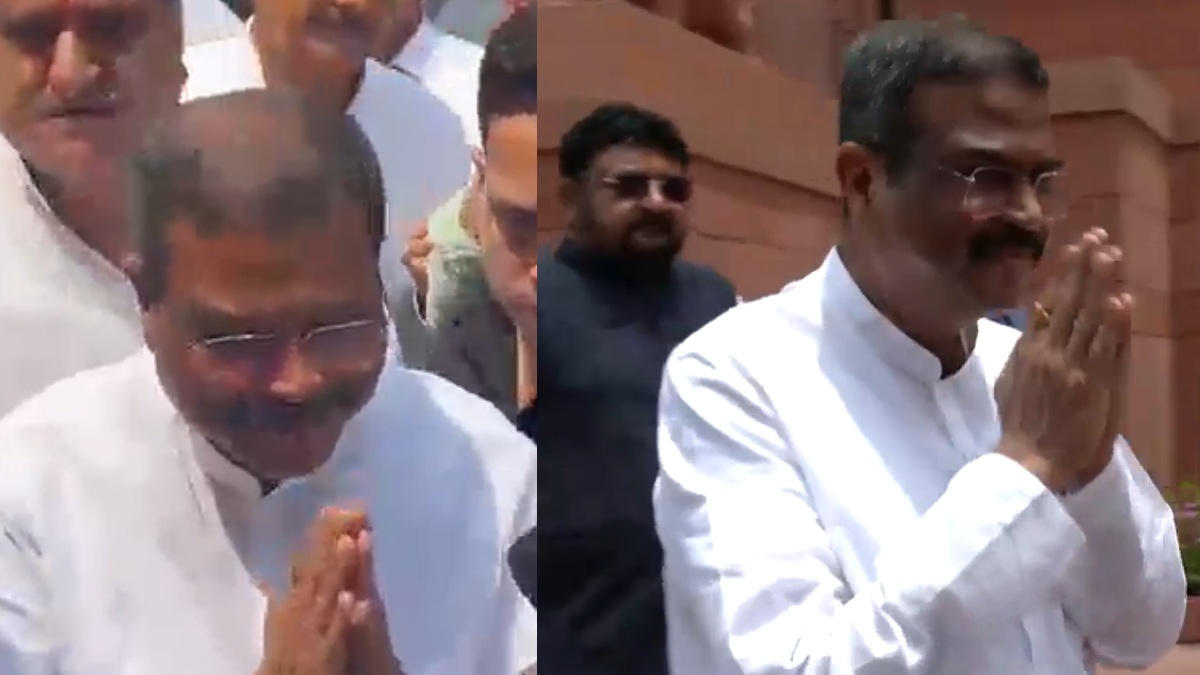
In a major political development that has rocked India’s political and academic landscape, Union Education Minister Dharmendra Pradhan resigned to Prime Minister Narendra Modi today.
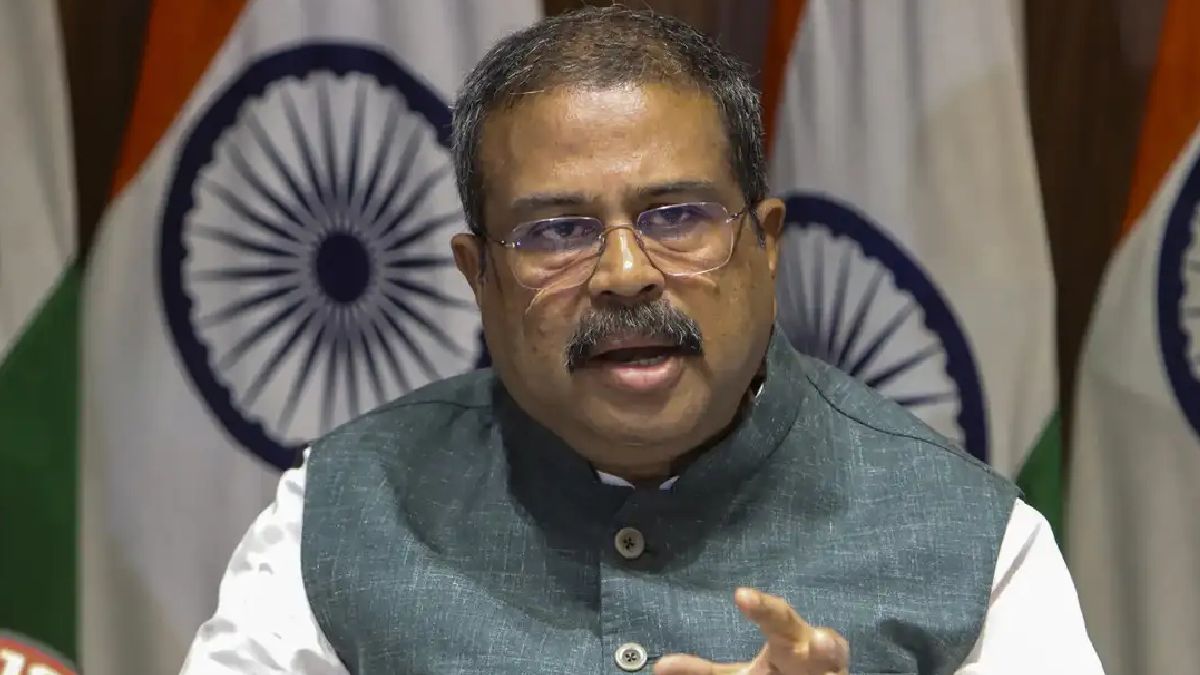
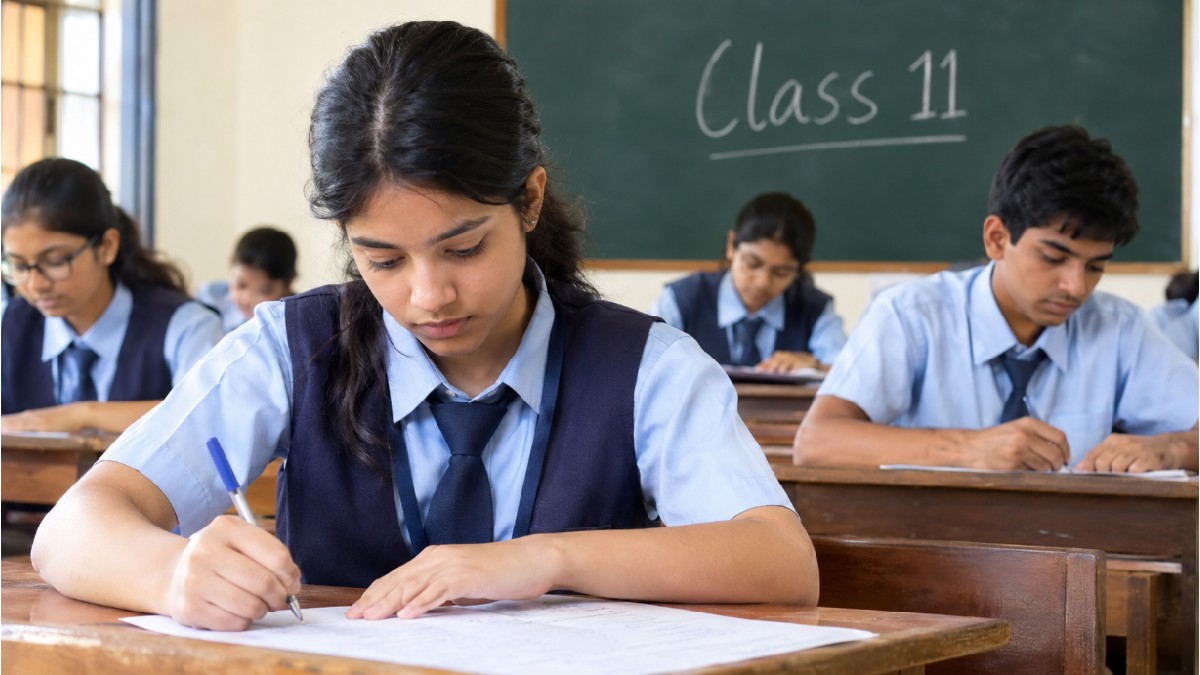
The resignation comes at a time of huge public protests, led by the Cockroach Janta Party (CJP) and other civil groups, which are calling on the central government to take action against the alleged structural violations and paper leakages in the NEET-UG medical entrance exams.
There has been widespread media coverage of the NEET-UG examination and security violations, and the media and students have been expressing their anger at the leakages and frustration over the system flaws. The protesters said failure like this is a threat to meritocracy and to the future of lakhs of hard-working students.
CJP-led agitation turned into a national focal point of protest and demanded complete accountability of all testing authorities, administrative reforms of recruitment and entrance processes and the immediate firing of the Education Minister, Dharmendra Pradhan.
— Dharmendra Pradhan (@dpradhanbjp) July 25, 2026
The movement had moral backing from the renowned climate activist and educator Sonam Wangchuk, who marched in Jantar Mantar. Wangchuk had a 26-day hunger strike, and his protest became a mass youth-driven movement. Wangchuk ended his hunger strike after long talks with the central government, after the Centre reached out and promised to meet his main demands.
The government also promised that there would be no criminal charges against peaceful protesters, Parliament would take a formal position to talk about reform of the exam and to hold the institutions accountable and positive treatment and financial compensation for the families of the students who died by suicide as a result of stress of exams and leaks of papers.
Wangchuk halted his fast, but the CJP stuck to its guns and said the movement would continue until the political pressure is lifted and Pradhan steps down. In his resignation letter to Modi, Pradhan said he was stepping down in the best interest of the nation's young people and not because he did not believe in the controversy being exploited and that such a disturbance might cause longer-term academic damage. Pradhan has been involved in student politics and education for more than four decades.
This is what the government does, he said, but in the first place because it noticed a problem in the first test, it handed the investigation over to the CBI, cancelled the test and carried out a complete "whole government" inspection. In addition, the government has announced a change in the NEET-UG to a Computer-Based Test (CBT) format for the next year with an eye towards safeguarding the exam.
Pradhan’s departure marks a turning point in the ongoing clash between student bodies and the administration. As Parliament gears up for the rigorous reforms necessary for India to embark on structural reform, now it is the Ministry of Education’s turn to reform national testing processes so that there is no doubt of transparency, fairness and trust among India’s students.