Union Minister JP Nadda on Friday said the Central Government would respond to the concerns raised by the CJP delegation after holding a detailed meeting that lasted for nearly two hours in New Delhi.
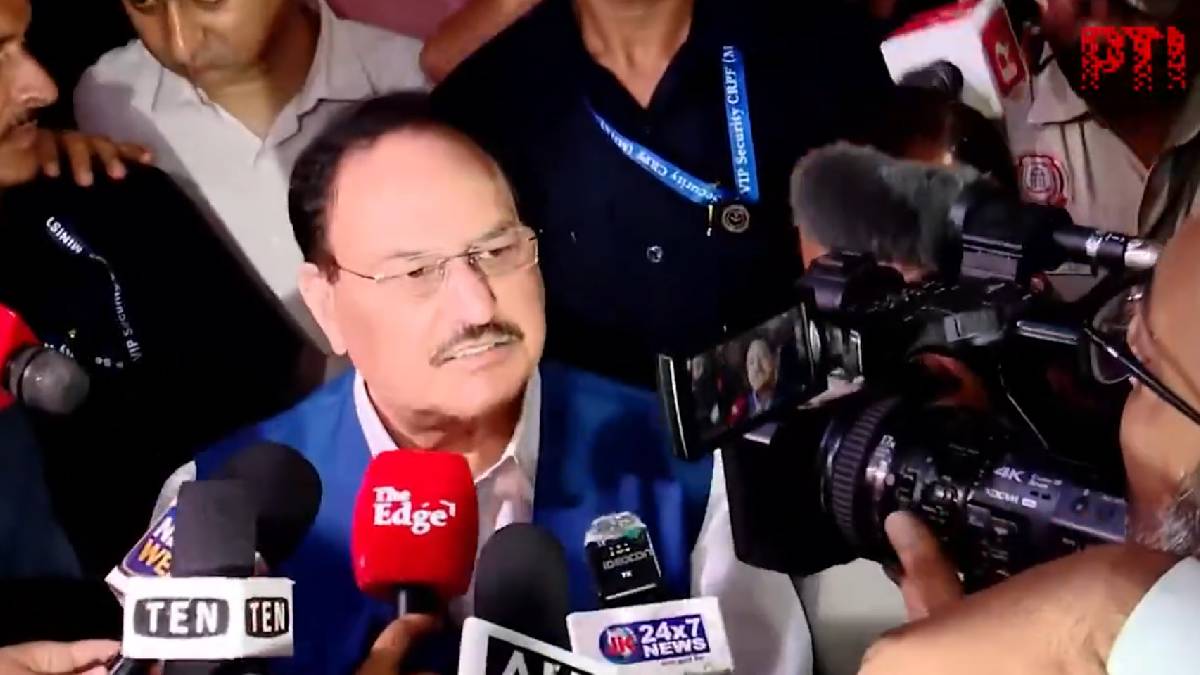
In a statement to the media after the talks, Nadda said the meeting provided an opportunity for both sides to exchange views on the issues raised by the delegation. “The government listened to the issues, discussed them from different perspectives and assured the delegation that a response would be communicated after further consideration,” he said.
VIDEO | Delhi: After meeting CJP delegation, Union Minister JP Nadda (@JPNadda) says, "The meeting lasted for nearly two hours. We listened to their concerns, and the issues were discussed from various perspectives. We heard their demands and conveyed that we would get back to… pic.twitter.com/HtcuQxx9it
— Press Trust of India (@PTI_News) July 24, 2026
"The meeting lasted for nearly two hours," Nadda said. “We listened to their concerns, and the problems were discussed from different perspectives. We listened to their demands and communicated to them that we would get back to them.”
The meeting was attended by Union Minister Dr. Jitendra Singh and JP Nadda. The meeting comes as public attention is growing on student-related problems and examination system reforms.
The meeting focused on the concerns raised by the CJP delegation, in which the delegation tried to put its demands before the government through dialogue, officials said. Although not officially disclosed till now, the ministers have said that the issues raised would be examined before a formal response is issued.
The two-hour meeting showed the government’s willingness to engage the stakeholders in talks. By listening to the delegation’s views and asking for time to study the demands, the Centre signalled that the discussions would continue through established institutional channels.
The meeting follows a series of protests and public demonstrations over examination-related issues that have attracted national attention. Student groups and various organisations have called for measures to strengthen transparency, accountability, and public confidence in competitive examinations.
The government has always maintained that the integrity of public examinations is in the public interest and has said legal and administrative steps are being taken to address reported irregularities. Reforms to better examination systems are also being considered, officials say.
The government’s dialogue with the delegation may also help shape future discussions about education policy and examination reforms, political observers say. Stakeholders and policymakers need to be engaged in these discussions, and that is one thing we can do well in this context.
While no decisions were made after the meeting, Nadda said that the government would review its position once again and consider what was raised before coming out. Now the Centre’s reaction will have to be addressed after it has worked out its position internally.
As the discussions continue, the outcome of the meeting will be closely monitored by students, education stakeholders, and political observers. The government’s response, in the event the dialogue leads to more meetings, policy changes, or administrative actions, is likely to be clearer once it formally agrees to the delegation’s demands.