India’s Unified Payments Interface (UPI), one of the world’s most successful real-time digital payment systems, is about to make another major leap with offline Near Field Communication (NFC)-based payments. If implemented, it would allow users to complete payments in some UPI transactions even when the internet is not connected, and digital payments would be made possible in rural areas that have poor network coverage.
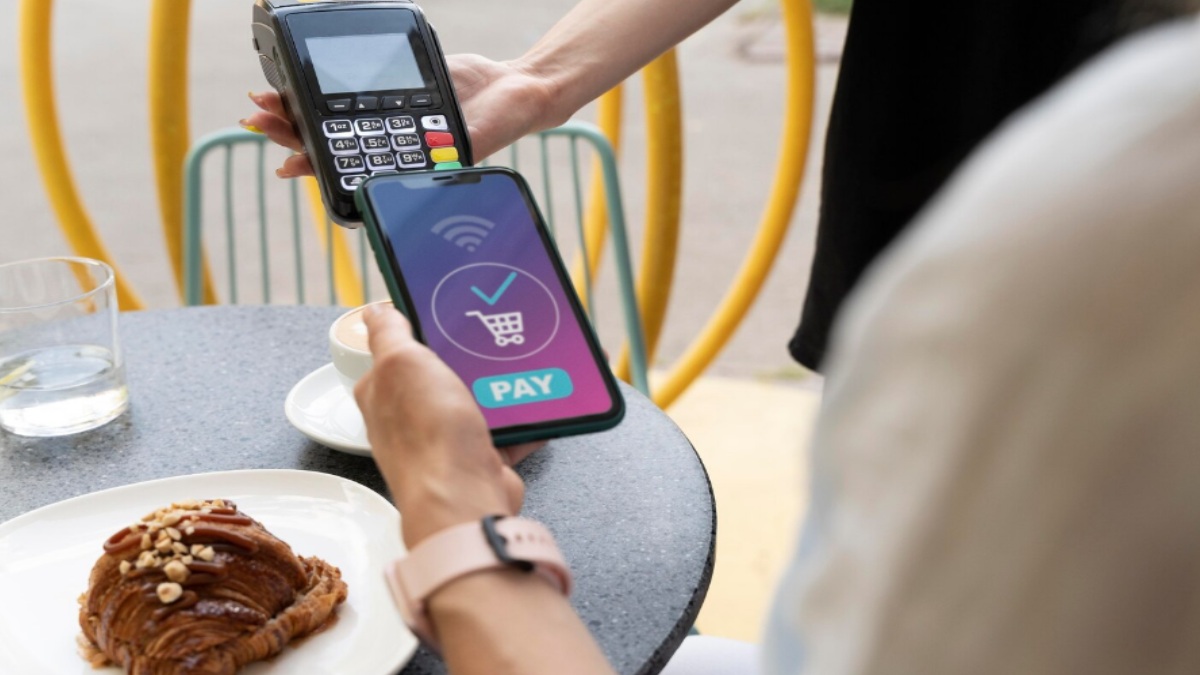
Although the feature is not yet being officially rolled out nationwide, there are reports that it is already being implemented in UPI to improve its offline NFC technology to further strengthen India's digital payment ecosystem and improve the reliability of cashless transactions in urban and rural areas.
What is NFC?
Near Field Communication (NFC) is a wireless communication technology that allows two compatible devices to communicate using the same wireless signal when they are very close to each other, usually only a few centimeters away. Such wireless communication technology is being used for contactless credit cards, debit cards, smartphones, smartwatches, and transit systems worldwide.
Many modern Android smartphones and wearable devices already have NFC hardware to enable tap-to-pay for supported payment services.
How could Offline UPI NFC Payments Work?
The proposed feature is expected to work similarly to existing contactless payment systems but using the UPI. Instead of scanning a QR code and requiring the user’s internet connection to process the payment, the user can simply unlock their smartphone, verify the transaction, and tap the device on an NFC-enabled payment terminal.
For offline transactions, payment credentials or limited-value transaction tokens would be stored on the device. Once internet connectivity is restored, the transaction data could be synchronized with banking systems, subject to security protocols and limitations.
Experts say offline payments may have transaction limits in order to reduce financial risk. Larger-value payments would likely still need online authentication and real-time bank verification.
Benefits for Users
Offline NFC-based UPI payments could greatly improve the user experience in places where mobile internet connection is poor and unreliable, especially in the real world.
Some potential advantages include:
- Faster contactless payments with a single tap
- The ability to make payments during temporary internet outages
- Lower reliance on QR code scanning
- More convenience in metro stations, buses, retail stores, parking facilities, and fuel stations
- Greater convenience in rural and remote areas with poor network coverage
- Shorter queues because payment is made faster. Better convenience for merchants
Merchants could also reap benefits from the new offering, providing customers an easier way to pay even during network breakdowns. Those who work in crowded environments might experience faster checkout times, while retailers in areas with weak connectivity could continue accepting digital payments more consistently.
Small businesses, local vendors, transportation operators, and convenience stores are most likely to benefit if affordable NFC-enabled payment terminals become widely available.
Security Remains a Priority
We expect security will be of central concern if offline NFC payments are implemented. There will be many security features to be implemented by industry experts, including device authentication, encrypted transaction credentials, spending limits for offline payments, fraud monitoring, and secure synchronization once connectivity resumes.
Financial institutions can also add additional safeguards to offline transactions to ensure that they remain secure and minimize potential misuse.
Supporting India's Digital Economy
India has seen massive growth in digital payments in the last few years, with UPI processing billions of transactions every month. Everyday payments such as grocery shopping and utility bills have been transformed by the platform, as well as peer-to-peer transfers and online commerce.
New offline NFC functionality would further expand UPI's reach by making digital payments stronger during connectivity issues and making them accessible to millions of users.
The proposed feature also aligns with India’s larger vision of financial inclusion through digital infrastructure. Offline UPI could lead to a higher number of users who face connectivity barriers because it enables seamless payments in areas where internet access is unreliable.
Still Awaiting Official Rollout
While offline NFC support is under development, it has not been officially launched for all users. Details on supported smartphones, compatible banking apps, transaction limits, merchant infrastructure, and rollout dates are expected to be announced by the relevant authorities and participating financial institutions later on.
The offline NFC payments will be among the most significant developments in UPI since it was introduced, and industry analysts believe offline NFC payments are expected to be one of the most significant upgrades to UPI since its introduction. The combination of contactless technology with India's robust digital payment network will allow for easy use of the technology and will also make everyday transactions faster, more efficient, and more reliable.
Until official confirmation is made available, users should consider what we know to be preliminary information. But offline NFC-enabled UPI payments are another exciting step in the continuing evolution of India's world-leading digital payments ecosystem.