Breast milk is often called the “perfect food” for newborns. It provides essential nutrients, strengthens immunity, and builds the foundation for healthy growth. For generations, doctors and health experts have encouraged mothers to breastfeed because of its unmatched benefits. But now, a new study from Bihar has raised unexpected concerns.
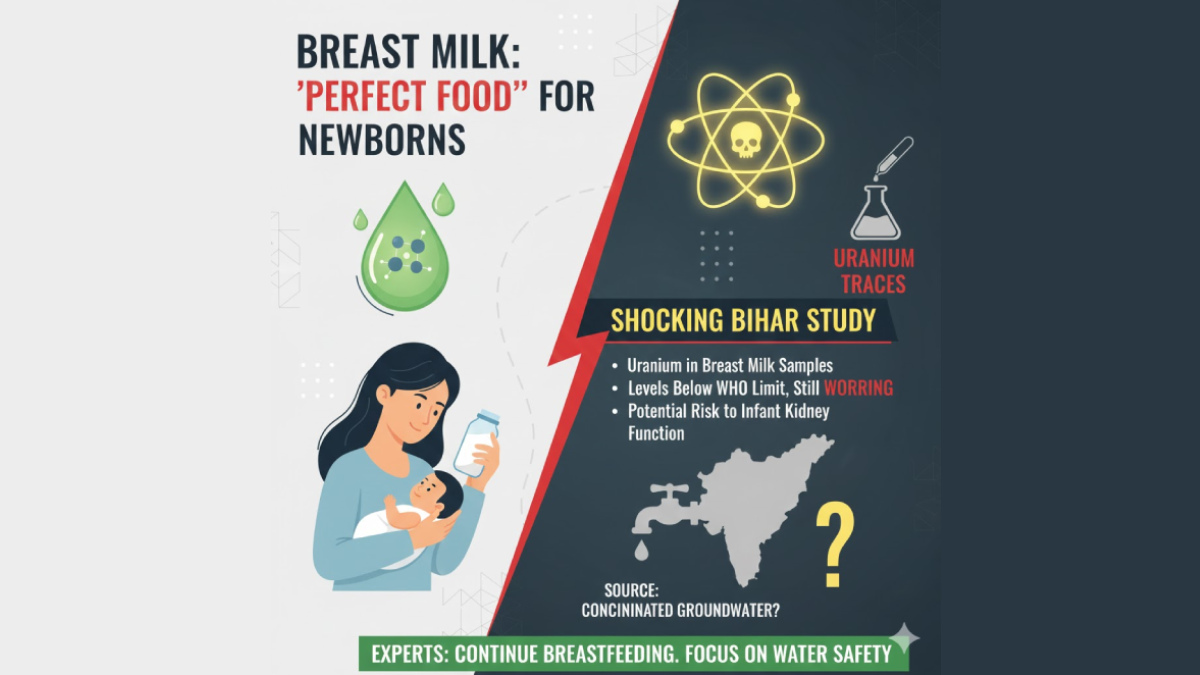
Researchers have discovered traces of uranium in breast milk samples collected from local mothers. While the levels are below the World Health Organization’s safe limit, the finding is still worrying because it shows how environmental contamination can directly reach infants through their first source of nutrition. This is the first time uranium has been reported in breast milk in India, making the study both historic and alarming.
What the Study Found:
Scientists collected breast milk from 40 lactating mothers across different districts of Bihar. Tests showed uranium in all samples, with concentrations reaching up to 5 parts per billion (ppb). While this is below the World Health Organization (WHO) safe limit of 30 micrograms per liter in drinking water, researchers say the presence of uranium in breast milk is worrying.
The study concluded that around 70% of infants could face potential non‑cancer health risks, especially related to kidney function and overall growth. This is the first time uranium has been reported in breast milk samples in India, making the findings significant for public health.
Possible Source of Uranium:
Experts believe the uranium contamination comes from groundwater in Bihar, which is widely used for drinking and cooking. When mothers consume contaminated water or food, uranium can enter their bodies and pass into breast milk. Bihar has already faced issues with arsenic and fluoride in groundwater, and this adds another layer of concern.
Health Impact and Expert View:
The National Disaster Management Authority (NDMA) has responded, saying the uranium levels found are not immediately dangerous because they are far below WHO limits. However, scientists warn that even small amounts could affect infants over time.
Doctors continue to recommend breastfeeding as safe and essential, stressing that the benefits of breast milk — nutrition, immunity, and bonding — far outweigh the risks. The study is seen more as a warning to improve water safety than a reason to stop breastfeeding.
Why It Matters:
This discovery highlights the urgent need for better water testing and monitoring in Bihar and other states. Clean drinking water is vital not only for mothers but also for the health of newborns. The study has sparked discussions about environmental safety, public health, and the importance of protecting vulnerable populations like infants.
The presence of uranium in breast milk samples is a serious finding, even if levels are low. It shows how environmental issues can directly affect child health. Authorities are expected to investigate further and take steps to ensure safer water supplies. For now, experts reassure mothers that breastfeeding remains the best option, while calling for stronger action to address groundwater contamination.