Uttarakhand government has temporarily halted the felling of nearly 3,000 trees for the widening of the Bhaniyawala-Rishikesh highway following the growing protests by local residents, environmental groups and civil society organisations.
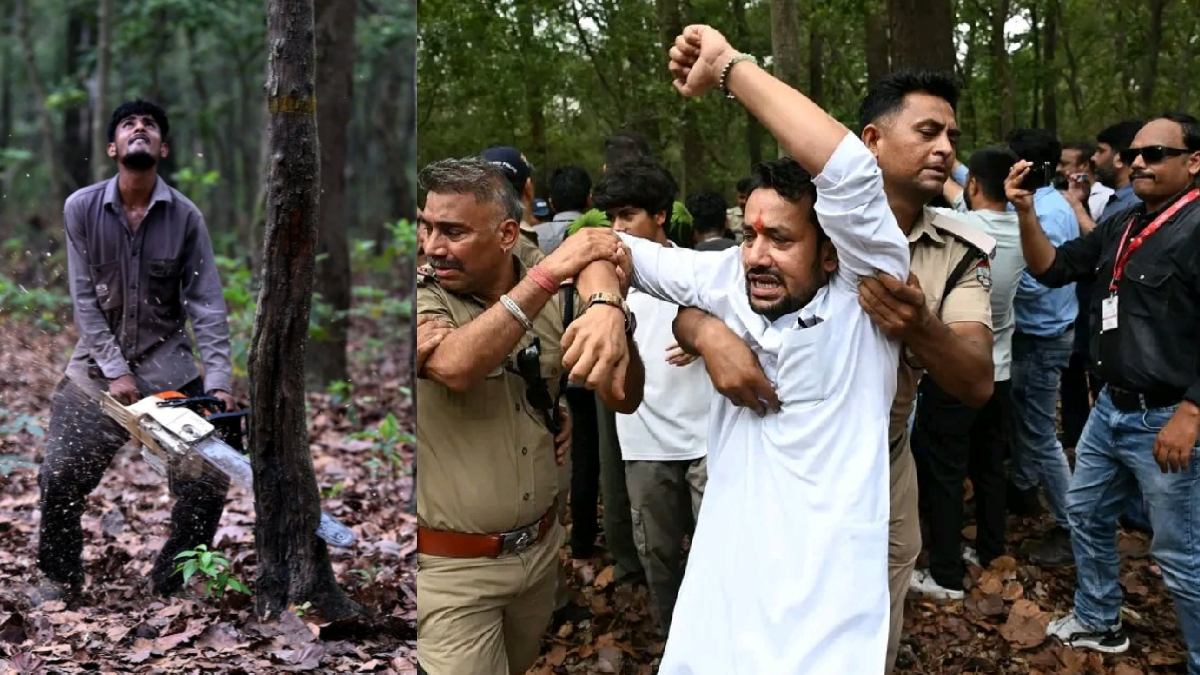
The decision comes as concerns are growing on the ecological basis of the National Highways Authority of India’s four- and six-lane expansion of the Dehradun-Rishikesh corridor. He said the government would have to have further consultations with all parties before taking further action.
"Uttarakhand’s natural heritage, public sentiment and development are equally important,” Dhami said, adding that the government would proceed only through dialogue, consensus and in the larger public interest.
The Chief Minister directed the Principal Secretary and other senior officials to begin discussions with local residents, elected representatives, environmental experts and other stakeholders. Tree felling will remain suspended until a satisfactory consensus is reached and an atmosphere of trust is established, the government said.
The proposed highway project has received statutory and environmental clearances, the government said. The project also has a nearly 3.5 km elephant underpass and special culverts to move smaller animals around and reduce human-wildlife conflict, officials said.

Environmental activists and local residents have continued to push back against the project and say that the ecological cost of widening the highway might be high. Old sal trees have been cut and large-scale infrastructure development may have a huge impact on the forest ecosystem as well, it is said.
The government’s announcement came a day after Congress leader Rahul Gandhi visited protesters in Dehradun and assured them that he would raise the issue in Parliament.
Anoop Nautiyal, founder of the Social Development for Communities Foundation, welcomed the temporary suspension but said the government should permanently withdraw the project. He also demanded clarity on around 800 trees that campaigners claim have already been felled.
The issue has also raised problems for Van Gujjar, a semi-nomadic pastoral community long dependent on forests in the area for grazing and fodder. Members of the community say their traditional access to forest areas could be further diminished through highway planning as well as other infrastructure expansion plans.
Van Gujjar representatives have also raised questions over pending claims under the Forest Rights Act, 2006. They argue that tree felling should not proceed before forest rights claims are settled and the concerns of affected gram sabhas are properly addressed.
Community members say they have had permits from the forest department to graze cattle and access forest resources. But they say the land that they have access to has been diminishing in recent years due to infrastructure developments and resettlement.
Environmental campaigners argue that the highway expansion is part of a larger infrastructure push focused on tourism and connectivity; specifically those connected to Dehradun Airport and regional transport networks. If development happens unchecked, Uttarakhand will come as a party of climate risk to the future.
Some of the government’s decision to hold off on the planned tree felling took away the doubt for more discussion. But activists and affected communities insist the larger issues of forest rights and ecological protection and long-term use of the highway remain open.