In one of the first examples of grassroots innovation, two brothers from Uttarakhand have developed an eco-friendly gobar gas (biogas) cylinder that provides 18 kg of usable gas at a price of ₹500. The breakthrough is likely to unlock affordable and sustainable energy in rural and semi-urban settings and will have the potential to change people’s lives in a huge way.
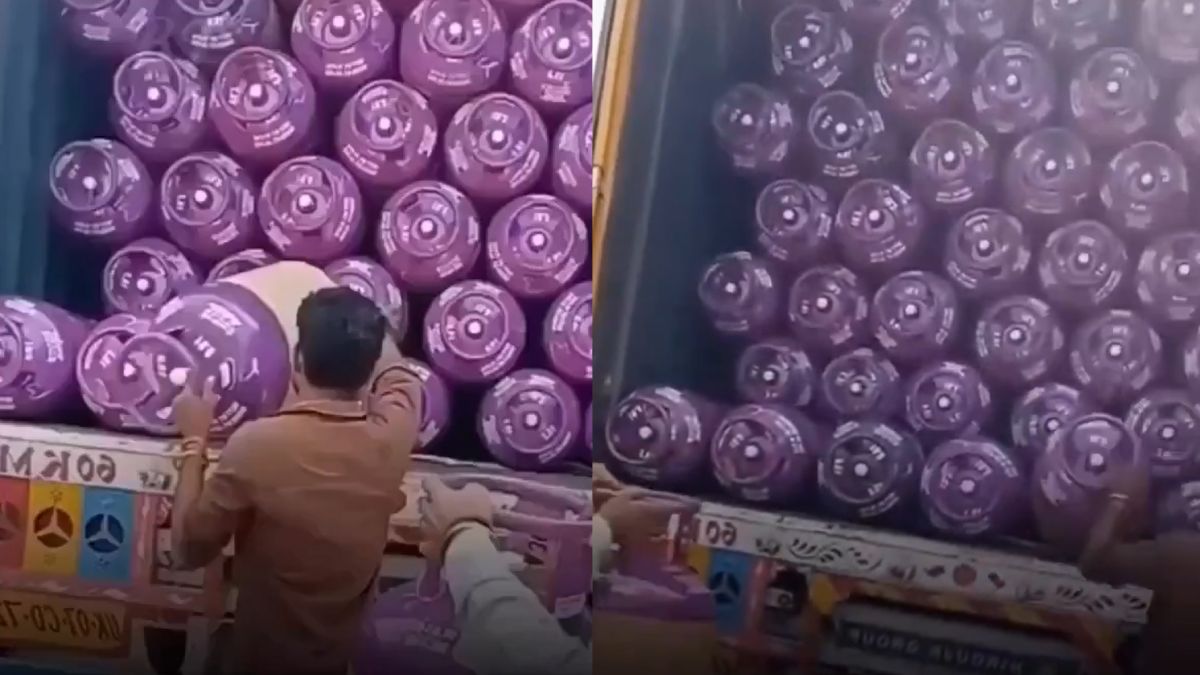
The idea is to convert cow dung (sometimes called "gobar") into biogas in a natural fermentation process. Then the gas is cleaned and compressed into cylinders that are portable and easy to use (like standard LPG cylinders). What sets this model apart is its affordability and environmental benefits.
At a time when high LPG prices are straining household budgets, this gobar gas cylinder is a cheap option. Users can get 18 kg of gas with a budget of just ₹500 and hence it’s much cheaper than traditional cooking fuel options. That would be great relief for people with low and middle income, especially in rural areas.
Besides cost savings, this innovation also has an environmental impact. Biogas is a renewable and clean energy source that reduces dependence on fossil fuels. It is also good for handling agricultural and animal waste efficiently and so in turn it transforms what is often discarded into a valuable resource.
🚨 Two brothers in Uttarakhand have developed an eco-friendly gobar gas cylinder that provides 18 kg of gas for just ₹500. pic.twitter.com/HeSt8mUaRf
— Indian Tech & Infra (@IndianTechGuide) April 6, 2026

Such innovations can be crucial to India’s transition to sustainable energy. And through decentralized energy solutions that reduce carbon emissions, projects like this make sense to support local economies.
One advantage is accessibility. Biogas systems in communities or houses are easier to set up than large-scale infrastructure projects.
And the initiative is consistent with wider government efforts to drive clean energy and rural development. Biogas and organic waste management schemes are in vogue and innovations like this can lead to their adoption.
If biogas is not new (it is), then it’s a big step forward to package it in a user-friendly cylinder format at a very reasonable price. It bridges the gap between traditional practices and modern convenience, and has made sustainable living more accessible to the everyday person.
If scaled up, this eco-friendly gobar gas cylinder might become a game-changer in India’s energy landscape an economical and environmentally responsible solution.