A heated street interview in Uttar Pradesh has gained the attention of the media after a man openly stated that he would not say Vande Mataram, in the face of calls by Chief Minister Yogi Adityanath urging citizens to do so. The video‑tape exchange soon made its way through social media, leading to controversy concerning nationalism, freedom of expression and political power.
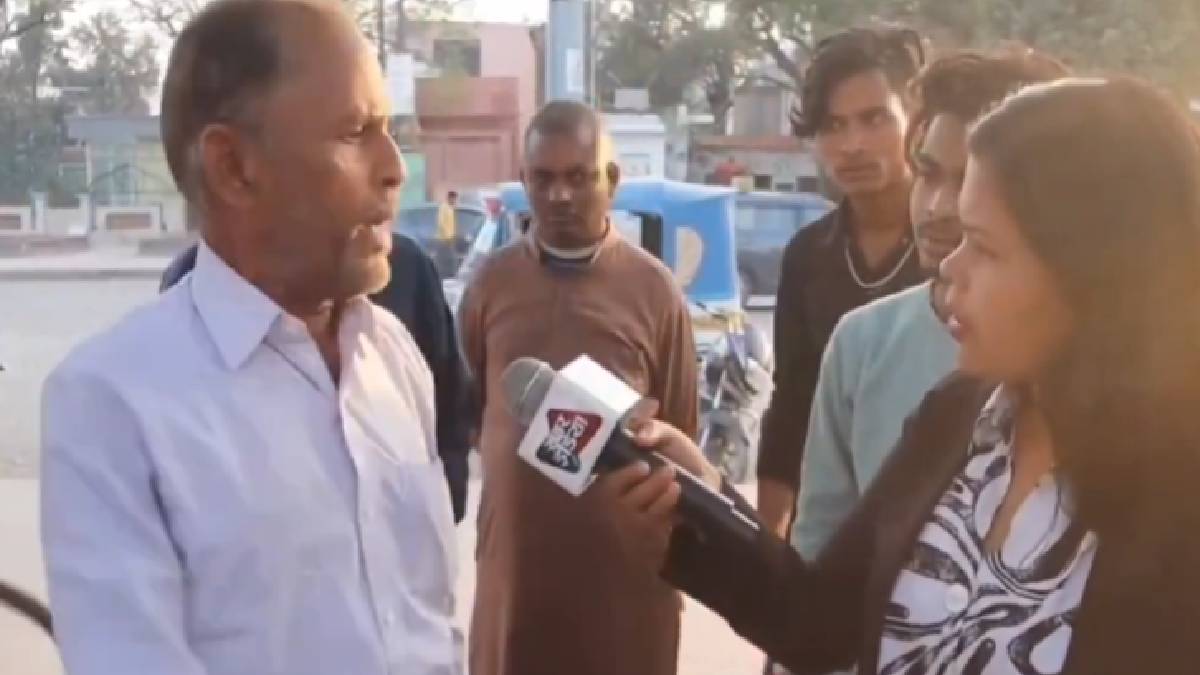
In that interview, a reporter queried him about CM Yogi’s remark that “everyone must say Vande Mataram.” The man replied steely, “I will not say Vande Mataram.” He went on, drawing more provocative comments against the Chief Minister with the assertion that their community possessed the strength of 40 crore people and could “rule India.” His words were anger and defiance and the video soon became a topic of discussion.
Vande Mataram, a patriotic song penned in the late 19th century, has been closely linked to India’s independence struggle and national pride. But its recitation has also been polarizing, with some people saying it was out of their religious or ideological beliefs. Political leaders, CM Yogi Adityanath, among others, have repeatedly said Vande Mataram is a mark of respect for the country.
The video sparked strong online reactions. Yogi Adityanath’s supporters lambasted the man citing the man’s refusal as an insult to the country. Others argued for his right to free speech, claiming that one could not coerce patriotism. The rift between the opposing factions brought out a continuing struggle between personal opinion and community identity in India’s heterogeneous society.
This incident is hardly unusual. Similar discussions have flared up in schools, government offices, and public events where the singing of Vande Mataram has been either encouraged or required, if not mandated. To some it is a unifying sign of national pride. For some, it provokes questions of religious tolerance and belief. The clash in Uttar Pradesh shows just how potent and deep these are at the local level.
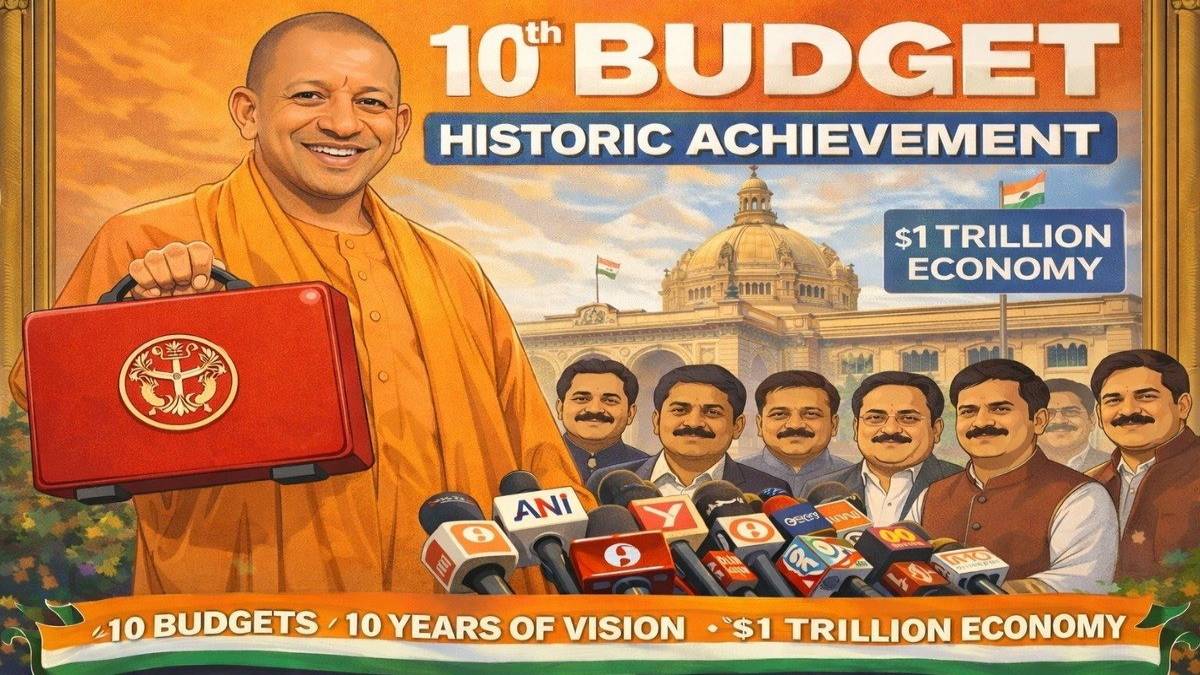
The street interview in Uttar Pradesh demonstrates the complicated state of nationalism in the present day, in India. As leaders call for this unity via symbols like Vande Mataram, dissent persists against it based on personal, cultural or religious motivations. The case has made the debate rekindle on patriotism, free speech, respect for national symbols as well as respect for individuality again. While we still debate it, that’s a nice reminder that India is capable of strength not just in unity but in the diversity of voices.