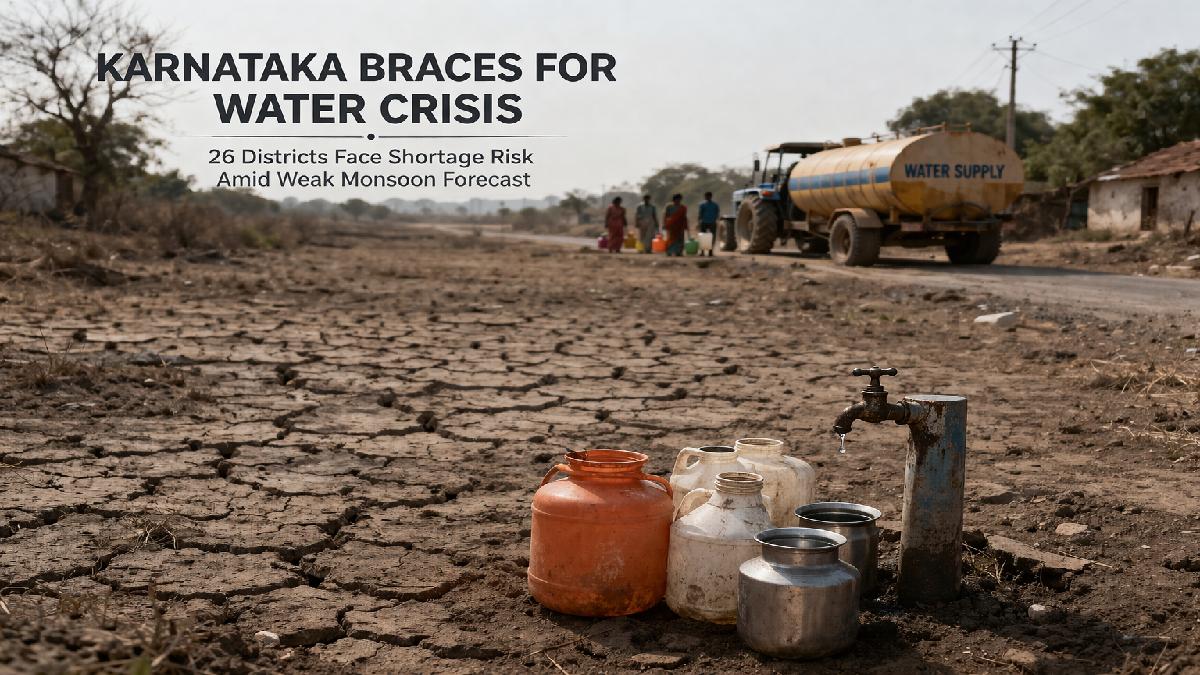
As scorching temperatures continue to grip large parts of the state, a sharp rise in vegetable prices has added to the woes of consumers. The ongoing heatwave has not only made daily life uncomfortable but has also significantly impacted the supply of fresh produce, pushing prices upward across local markets.
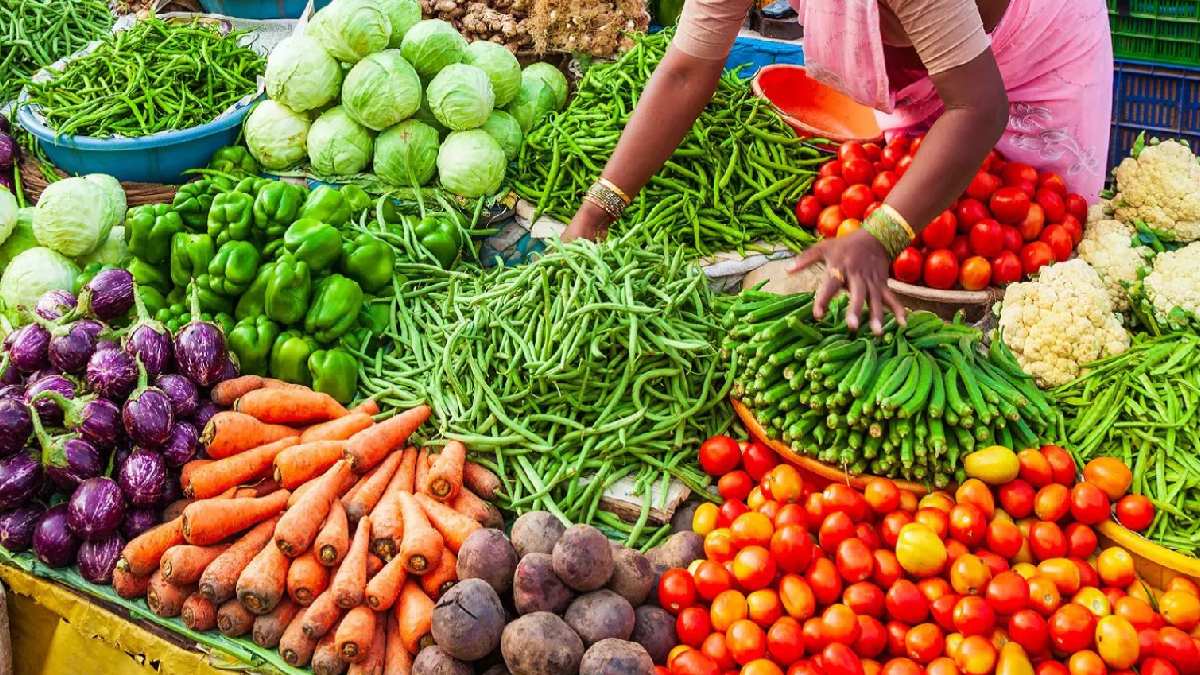
According to traders, vegetable prices have increased by ₹10 to ₹40 per kilogram within just a week, forcing many households to rethink their daily purchases. The price surge is being felt across both urban and rural markets, with essential vegetables becoming increasingly expensive.
What Is Driving The Price Rise?
The primary reason behind the spike is the intense heatwave conditions affecting agricultural output. With temperatures rising across Karnataka, vegetable crops have suffered, leading to a decline in overall yield. Farmers are struggling with reduced production, while transportation losses due to spoilage have further tightened supply.
At the same time, demand has increased, particularly from hotels, caterers, and event organisers. The wedding season and large gatherings have driven bulk purchases, putting additional pressure on already limited supplies.
One of the most affected vegetables is beans, a key ingredient in dishes like pulao and sambar, which has seen its price double to around ₹100 per kilogram. This steep rise has made it difficult for middle-class families to afford regular consumption.

Current Market Price Trends
Here’s a comparison of current vegetable prices versus last week’s rates (per kg in ₹):
- Tomato: 35 (was 20)
- Carrot: 80 (was 40)
- Cauliflower (per piece): 20 (was 10)
- Cabbage: 60 (was 30)
- Radish: 60 (was 40)
- Beans: 100 (was 50)
- Brinjal: 50 (was 40)
- Potato: 50 (was 30)
- Bitter gourd: 60 (was 40)
- Ridge gourd: 50 (was 30)
- Capsicum: 60 (was 40)
- Beetroot: 60 (was 40)
The steep increase across almost all commonly used vegetables highlights the widespread nature of the issue.
Traders and Consumers Are Under Pressure
Vendors say the price hike is affecting their business as well. With higher rates, customers are buying smaller quantities or skipping certain vegetables altogether. “Sales have dropped because people are hesitant to spend more,” said a local vegetable trader, expressing concern over declining footfall in the market.
Consumers, on the other hand, are struggling to manage household budgets. Many are opting for cheaper alternatives or reducing their overall consumption of vegetables.
What Lies Ahead?
Experts warn that as long as the heatwave persists, prices are unlikely to stabilise. If temperatures continue to rise and rainfall remains scarce, supply shortages could worsen in the coming weeks, pushing prices even higher.
Authorities are closely monitoring the situation, but immediate relief appears unlikely. The current scenario underscores how extreme weather conditions can directly impact food supply chains and household expenses.
For now, both consumers and traders remain at the mercy of the weather, hoping for cooler conditions and improved supply in the days ahead.