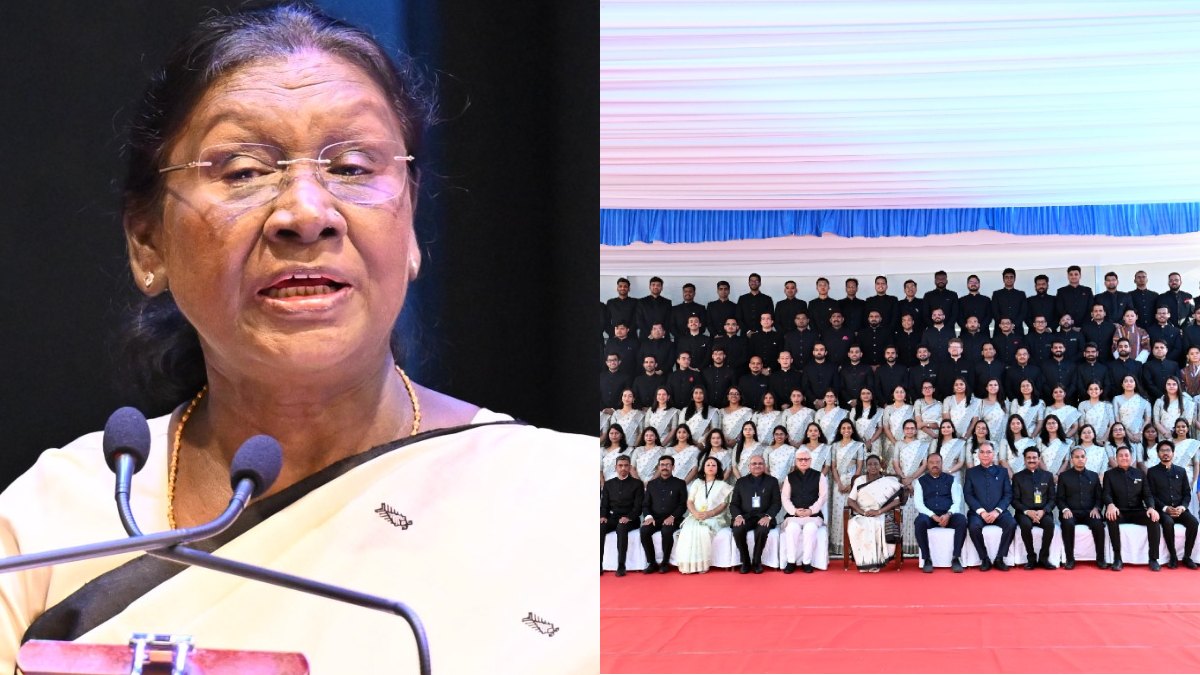
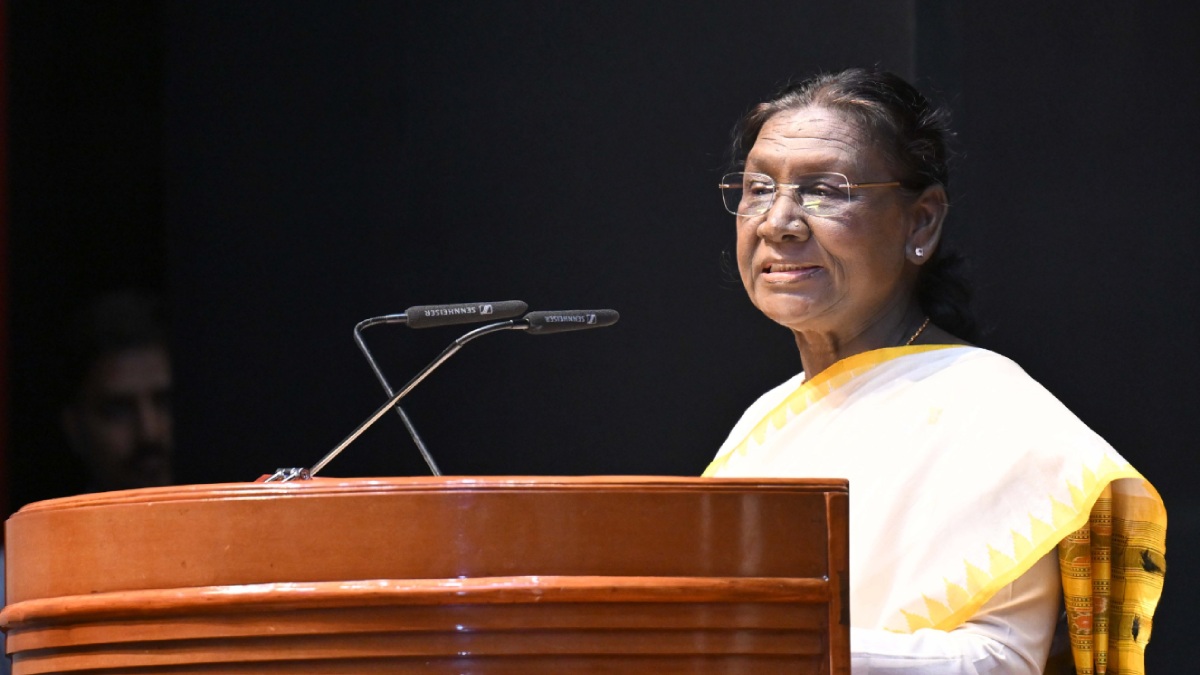
On December 21, 2025, President Droupadi Murmu gave her assent to the VB-G RAM G Bill, 2025 (Viksit Bharat Guarantee for Rozgar and Ajeevika Mission – Gramin). With this approval, the bill has now become law, clearing the way for its nationwide implementation. The legislation marks a major shift in India’s rural employment policy, replacing the nearly two-decade-old Mahatma Gandhi National Rural Employment Guarantee Act (MGNREGA).
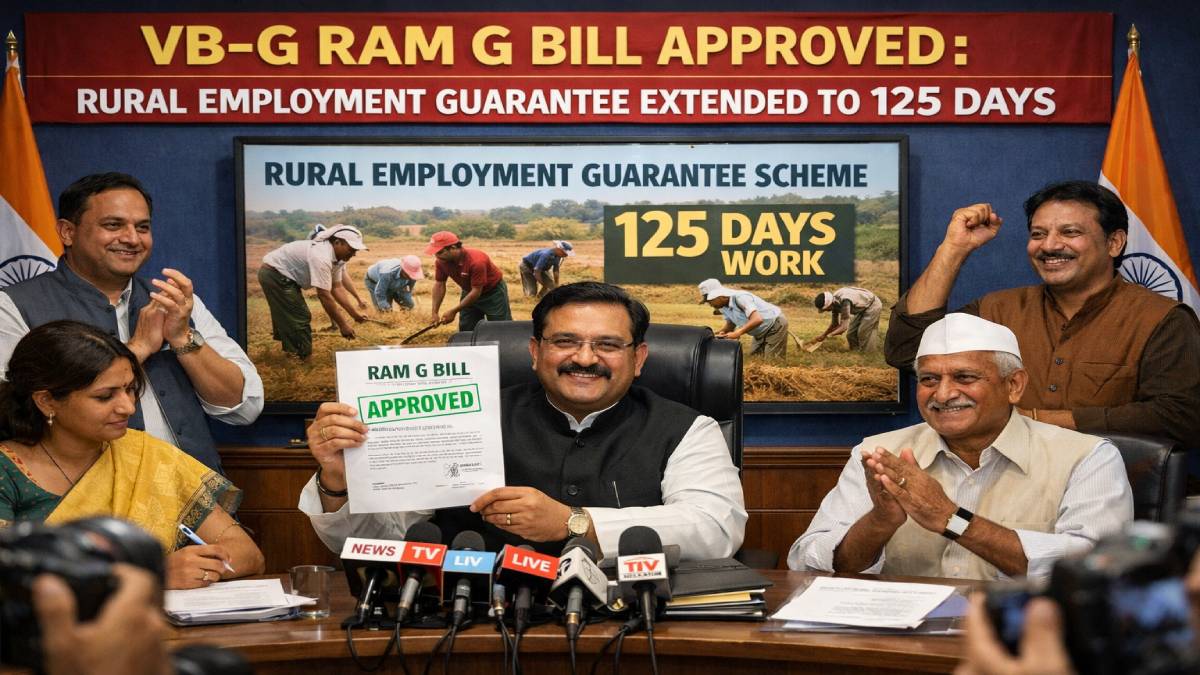
Key Features of the New Law
- Employment Guarantee Extended: Rural households will now be entitled to 125 days of guaranteed wage employment per year, compared to the earlier 100 days under MGNREGA.
- Focus on Asset Creation: The scheme emphasizes building durable assets such as roads, irrigation facilities, and climate-resilient infrastructure.
- Inclusive Growth: The Act aims to promote empowerment, livelihood security, and convergence of development initiatives in line with the government’s Viksit Bharat @2047 vision.
- Cashless Implementation: Payments will continue to be made directly into beneficiaries’ bank accounts, ensuring transparency and reducing leakages.
Political and Public Response
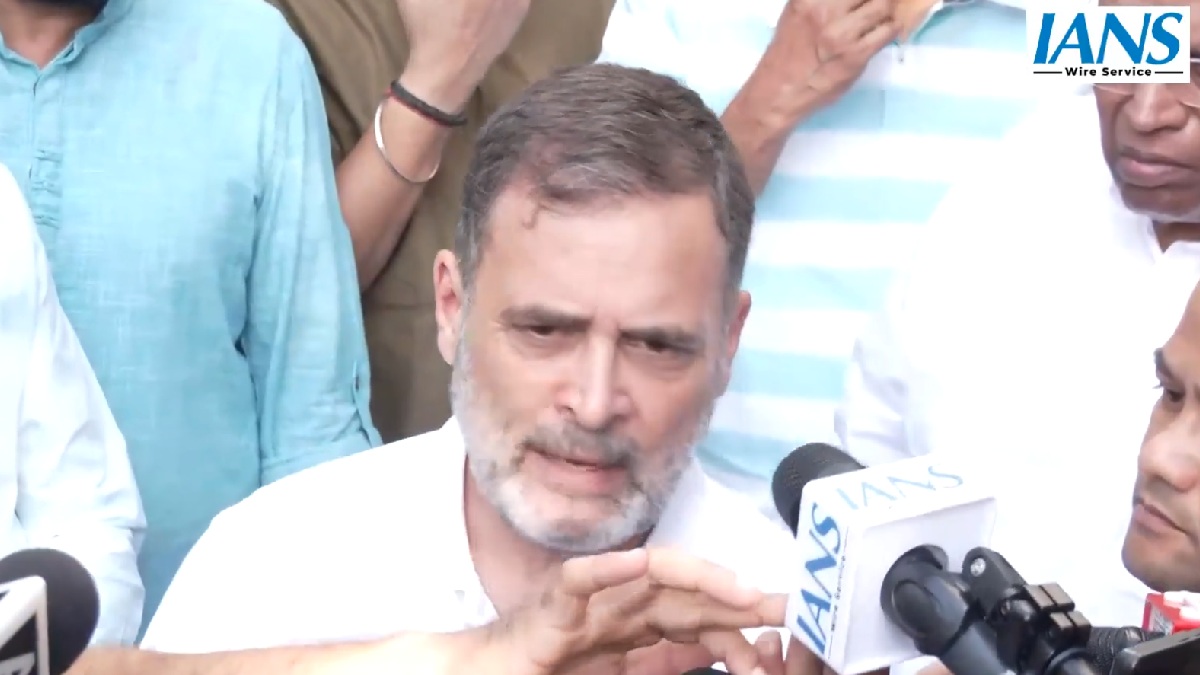
The passage of the bill was not without controversy. Opposition parties strongly protested the removal of Mahatma Gandhi’s name from the employment scheme, arguing that it undermines his legacy. Congress president Mallikarjun Kharge criticized the move, while the government defended the change as part of its modernization agenda.
Supporters of the bill highlight that the increase in guaranteed workdays and the focus on asset creation will strengthen rural livelihoods and reduce poverty. Critics, however, worry about whether the government will allocate sufficient funds to meet the expanded guarantee.
Significance of the Reform
The VB-G RAM G Act represents a structural transformation in India’s rural employment policy. By expanding the guarantee and aligning it with long-term development goals, the government hopes to:
- Provide greater income stability for rural households.
- Encourage productive work that contributes to infrastructure and climate resilience.
- Ensure that rural employment schemes are better integrated with national development priorities.
With President Murmu’s approval, the VB-G RAM G Bill has officially become law, ushering in a new era for rural employment in India. While debates over its political symbolism continue, the expanded guarantee of 125 days of work per household and its focus on sustainable development mark a significant step toward strengthening rural livelihoods. The coming months will reveal how effectively the government implements this ambitious program across the country.