Tamil Nadu Chief Minister Vijay is mulling a big upgrade to the state’s mid-day meal programme, including the introduction of weekly chicken biryani in government schools. It has attracted massive public attention and debate and would improve the nutritional quality of meals made available to millions of students while encouraging better school attendance and reducing classroom hunger.
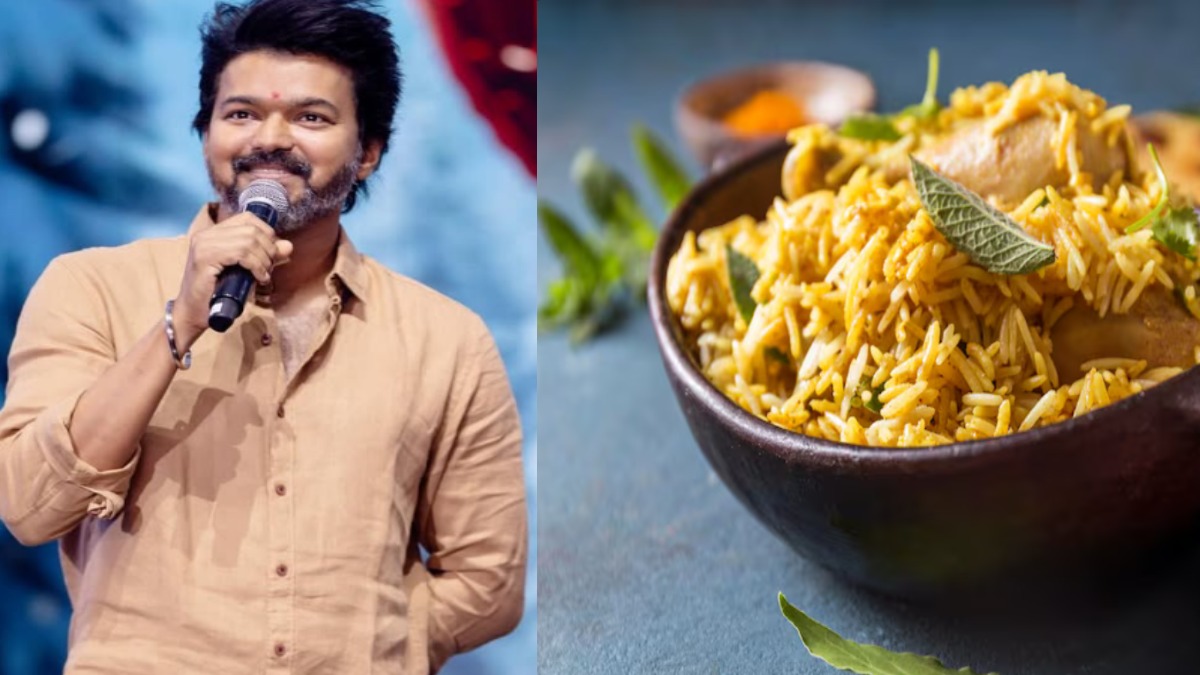
The mid-day meal scheme has long been one of Tamil Nadu's most celebrated welfare programmes. Started in the state and adopted in India as a national program, it has brought growth in school enrolment, increased attendance, and addressed malnutrition among children from the less privileged and poor. The proposal to serve chicken biryani once a week is part of a long-term plan to reform the scheme and give children a more balanced, protein-rich diet.
The state government is examining how good it would be for us to have such a menu enhancement that is nutritional, financially effective, and logistical. Chicken is a great source of protein, iron, vitamins, and essential minerals that are critical for healthy growth and cognitive development in children, nutrition experts have said. School-age children, especially those from low-income families, often have protein deficiencies, so it's important that school meals include chicken regularly.
Chicken biryani is popular across Tamil Nadu and India and a good food for children in school. Supporters say having a favourite meal once a week will increase participation, minimize absenteeism, and encourage children to go to school. Studies have repeatedly shown that healthy and enjoyable school meals improve students’ performance, concentration, and overall well-being.
If the initiative is implemented on a large scale, poultry farmers and food suppliers would benefit as well. Local producers would supply fresh chicken to the rural economy, create jobs, and help to secure agricultural supply chains in the state. An examination of the sourcing mechanisms to guarantee quality, hygiene, and affordability is expected.
But such a programme would take careful planning. Preparing chicken biryani for millions of students each week takes huge investment in procurement, storage, cooking infrastructure, food safety measures, and trained kitchen staff. Where necessary, cold chain facilities would be maintained, and efficient distribution systems would be developed in order to avoid food waste.
Financial sustainability is also a big factor. While the initiative will require more money than the existing menu, supporters argue that investing in child nutrition has benefits for long-term social and economic prosperity. Better nutrition contributes to improved learning outcomes, healthier communities, and lower healthcare costs in the future.
The proposal has split social media and education professionals. Many parents have supported the idea, saying kids need good food at school. Others have suggested flexibility should be maintained for students with dietary restrictions or cultural preferences, and vegetarian foods should be available alongside any non-vegetarian menu.
According to nutritionists, while chicken is a great source of protein, a balanced meal should also have vegetables, pulses, grains, and fruits. Any menu modification should be guided by scientific dietary standards and periodic health assessments of students.
Tamil Nadu has been a pioneer in school nutrition programmes, and any improvement to the mid-day meal scheme will likely attract attention from other states. If implemented successfully, the weekly chicken biryani initiative could become a model for integrating better nutrition with educational welfare policies.
The implementation is still on its way, the report said, but the approach to child welfare, education, and public health is supported by the government. If approved, it would be another step forward in strengthening one of India’s best social welfare programmes, which would also provide students with nutritious meals for both learning and healthy growth.