The political and industrial spotlight has once again turned to Singur, a town that has long been the centre of West Bengal’s industrial debate. Samik Bhattacharya, the BJP president in West Bengal, has written to Chief Minister Mamata Banerjee, urging her to create a chemical park in Singur so that the region can become a major industrial centre, create jobs and restore investor confidence in the state.
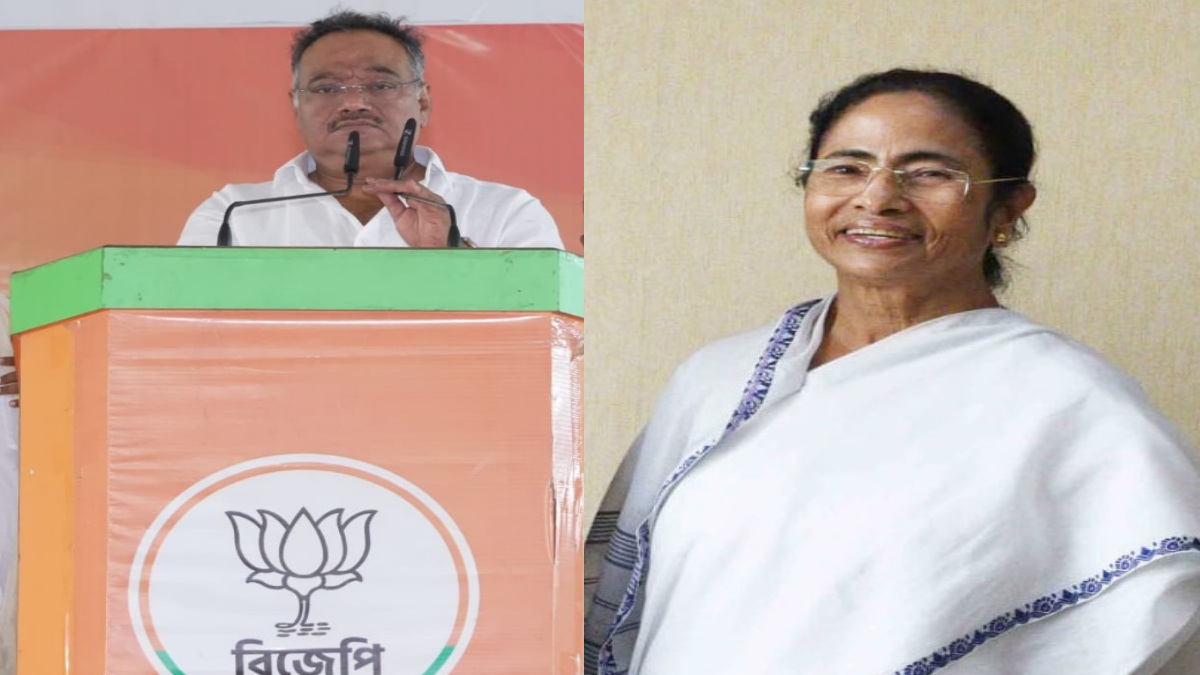
Bhattacharya in his letter to Chief Minister also stated that Singur has the infrastructure and the right strategic location for a large scale industrial project. The formation of a chemical park will not only utilize the available land efficiently but will also help to gain domestic and international investment that will improve the manufacturing sector in West Bengal, he said. The BJP leader said the state should focus on industrial growth in order to relieve unemployment and make a long-run economic growth.
Singur has been a politically volatile place since the Tata Motors Nano car project was disrupted more than a decade ago. The project was finally relocated to Gujarat after massive protests over land acquisition, and so Singur became a symbol of how industrialization and farmers’ rights intersect in West Bengal. Since then governments and political parties have been debating how to utilise the site and how this would be done in a way that is good for public good.
Bhattacharya's plan is to move the conversation from past disputes to future industrial opportunities. According to BJP, a modern chemical park would be a catalyst for economic transformation by drawing companies that are in specialty chemicals, petrochemicals, pharmaceuticals and related industries. These industrial clusters are known to generate direct and indirect employment and encourage small and medium enterprises to rise as a complement of larger manufacturing companies.
BJP chief also claimed that several states have been able to establish chemical and industrial parks that contribute to exports and regional economic development. He said West Bengal must make use of its skilled workforce, connectivity, and proximity to major ports to be a destination for industrial investment. A chemical park (industrial park) would help the state to compete better with other industrialized regions in eastern and western India, he added.
The proposal comes at a time when industrial development is still at the heart of political debate in West Bengal. And the Trinamool Congress government has made it very clear that it is keen on attracting investments through business summits and infrastructure projects but the opposition has frequently accused it of not generating great manufacturing opportunities on a big scale.
Bhattacharya's letter is likely to heighten the debate, particularly as we approach future political contests in which employment and economic development will be at the heart.
Industry experts stress that a chemical park will require detailed feasibility studies, environmental clearances, infrastructure planning and community consultation before any project can be considered. A chemical manufacturing project must be well managed to meet environmental and safety standards in order to move forward. The development of industrial facilities needs to be in line with environmental protection protocols and address concerns related to pollution, waste management, and public health as well.
The proponents of the plan say if the project is implemented wisely, it will improve the industrial profile of West Bengal in a way that is beneficial to West Bengal. They believe that a well-planned chemical park will also be a place for ancillary industries, logistics services, warehousing facilities, research centers and research centres to flourish and a more industrial ecosystem will be created. Better industrial activity will boost state revenues and create much better lives for the local people.
But critics might cite Singur’s history and warn that any new industrial development should focus on transparency, community participation and fair compensation where necessary. Trust will be key for any big development project in the region to get across the line of sight between local stakeholders.
The West Bengal government has not yet provided an official response to Bhattacharya's letter. Whether the proposal would receive some traction is unknown but it has certainly revived the discussion of Singur’s future and West Bengal’s industrial prospects. If the state agrees to take up the idea, the project could become one of the more important industrial projects in the region with proper planning, environmental checks and everybody’s backing.