The West Bengal Forest Department is considering a major change in the diet of carnivorous animals housed in state-run zoos.
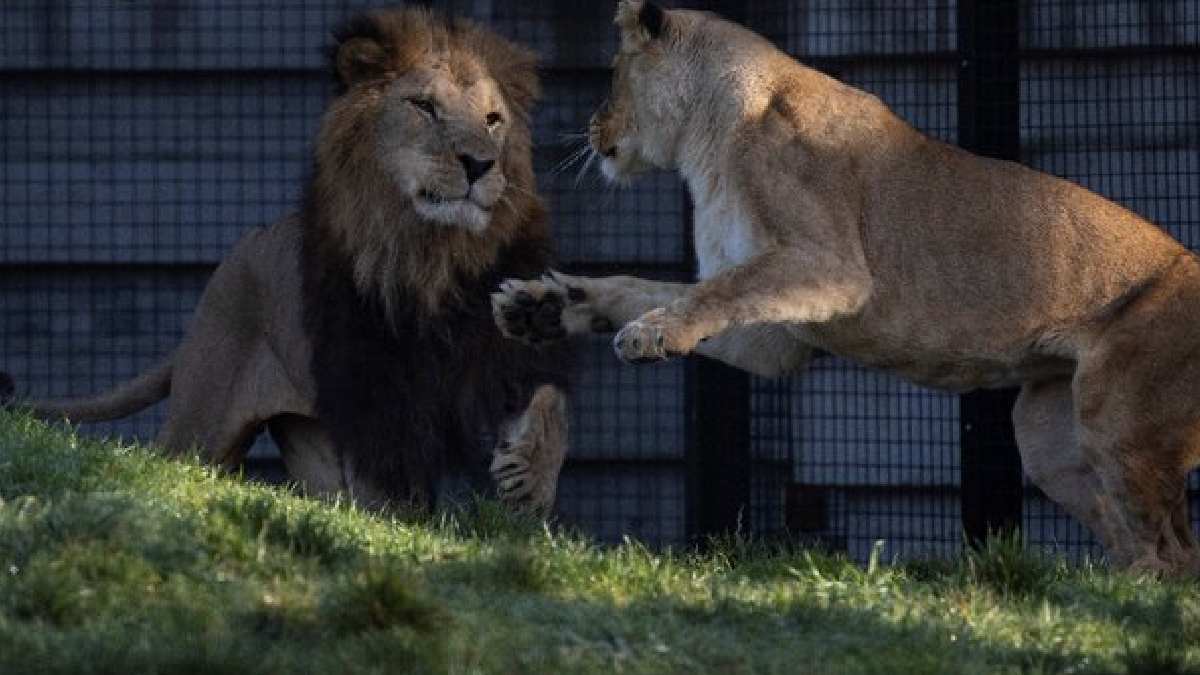
Due to a shortage in the supply of buffalo meat, officials have proposed replacing it with mutton (goat meat) to ensure that animals continue receiving adequate nutrition without interruption.
The proposal comes after suppliers informed the department that buffalo meat has become increasingly difficult to source. The shortage has affected the regular food supply for predators such as tigers, lions, leopards, hyenas, and other meat-eating animals kept in zoos across the state.
According to officials, discussions have already taken place with meat suppliers and zoo authorities to identify a suitable alternative. Goat meat has emerged as the preferred option because it is readily available and meets the nutritional requirements of large carnivores. However, the switch is expected to increase the overall cost of feeding zoo animals, as mutton is significantly more expensive than buffalo meat.
The issue has reportedly been linked to disruptions in buffalo slaughter at municipal slaughterhouses, resulting in a reduced supply of meat for zoos. To avoid any impact on animal welfare, some zoological parks, including Kolkata's Alipore Zoological Garden, have already started using goat meat as a temporary substitute for their big cats.
Zoo officials have emphasized that the health of the animals will not be compromised by the dietary change. Wildlife nutrition experts explain that carnivores primarily require a protein-rich diet, and goat meat can provide the necessary nutrients when supplied in appropriate quantities.
As a result, the proposed change is not expected to affect the animals' health or feeding patterns.
While the nutritional aspect remains largely unchanged, the financial implications could be considerable. State-run zoos consume large quantities of meat every year, and replacing buffalo meat with a costlier alternative would increase procurement expenses. Authorities may need to revise zoo budgets if the proposal is implemented permanently.
The Forest Department is also exploring ways to restore the regular buffalo meat supply in the future. Officials are continuing discussions with civic bodies and suppliers to find a long-term solution that balances cost efficiency with uninterrupted food availability for captive wildlife.
The proposal has generated interest among wildlife experts and conservationists. Some view the decision as a practical response to an unexpected supply challenge, while others believe that the long-term financial impact on zoo operations should be carefully assessed before making the transition permanent.
For now, ensuring the well-being of the animals remains the department's highest priority. Until the buffalo meat supply stabilizes, mutton is likely to serve as the primary alternative for feeding carnivorous animals in West Bengal's zoos.
The development highlights the operational challenges faced by zoological parks, where maintaining a consistent and nutritious food supply is essential for the health, welfare, and conservation of captive wildlife.