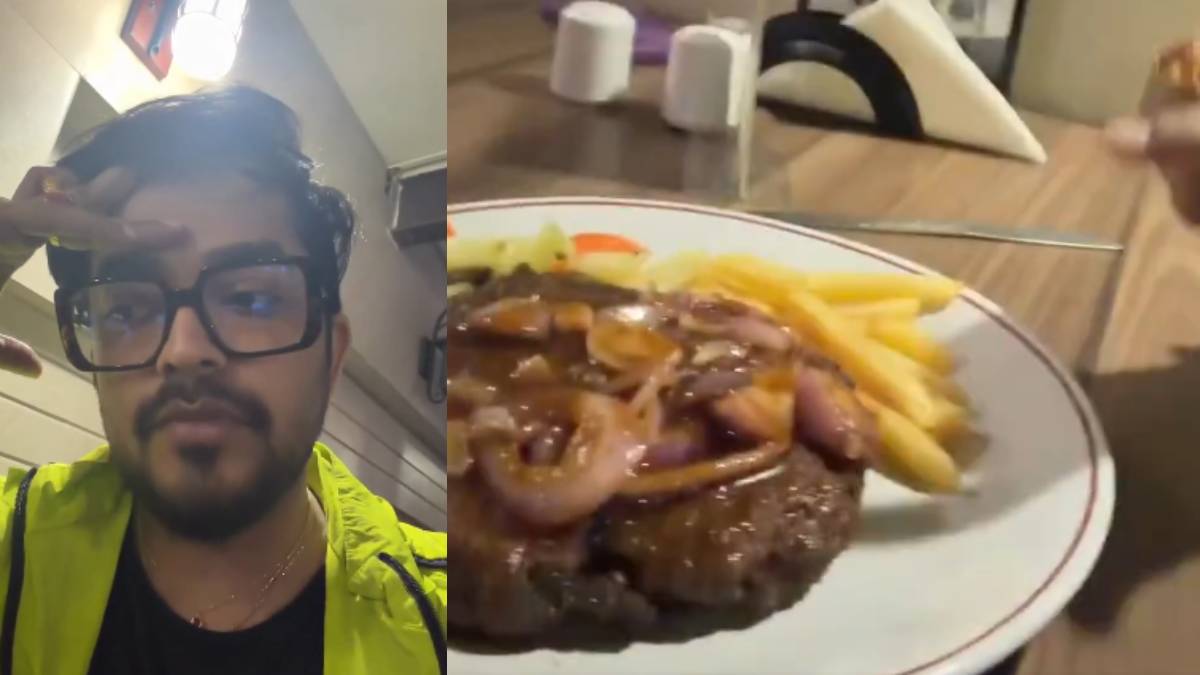
Food isn’t just about taste it’s also about belief, culture, and identity. In India, where dietary decisions are influenced by religion and tradition, making a wrong decision when serving food can produce emotional pain. One recent incident raises awareness of such a problem: a waiter provided beef steak instead of mutton steak to a Brahmin consumer. The boy was stunned and said: “I’m a Brahmin and you offered me beef instead of mutton.” The girl who sat with him added, “It’s like serving chicken to a vegetarian instead of paneer.”
While this moment will be momentary, it has the effect of kicking off a broader dialogue about respect, awareness and knowing what the other side might be saying is important because it makes people feel different (and, ideally, not just a little bit less alone).
For Brahmins, meat isn’t a mere dietary choice; it violates some basic religious customs. Their beef, they say, symbolizes not only their community’s survival but also their belief in the principle of a higher power and in their own connection to their religion. Likewise, vegetarians might find it very painful when they are accidentally served meat. These are not the responses of the picky, they are the responses of those following congruent with the values of one’s character and beliefs.
They ordered Mutton Steak but waiter served them Beef Steak.
— Facts (@BefittingFacts) January 30, 2026
Boy, "I am a Brahmin and you served me beef instead of Mutton"
Girl, "Its like serving chicken to vegetarian instead of Paneer" pic.twitter.com/RGG3sutUxY
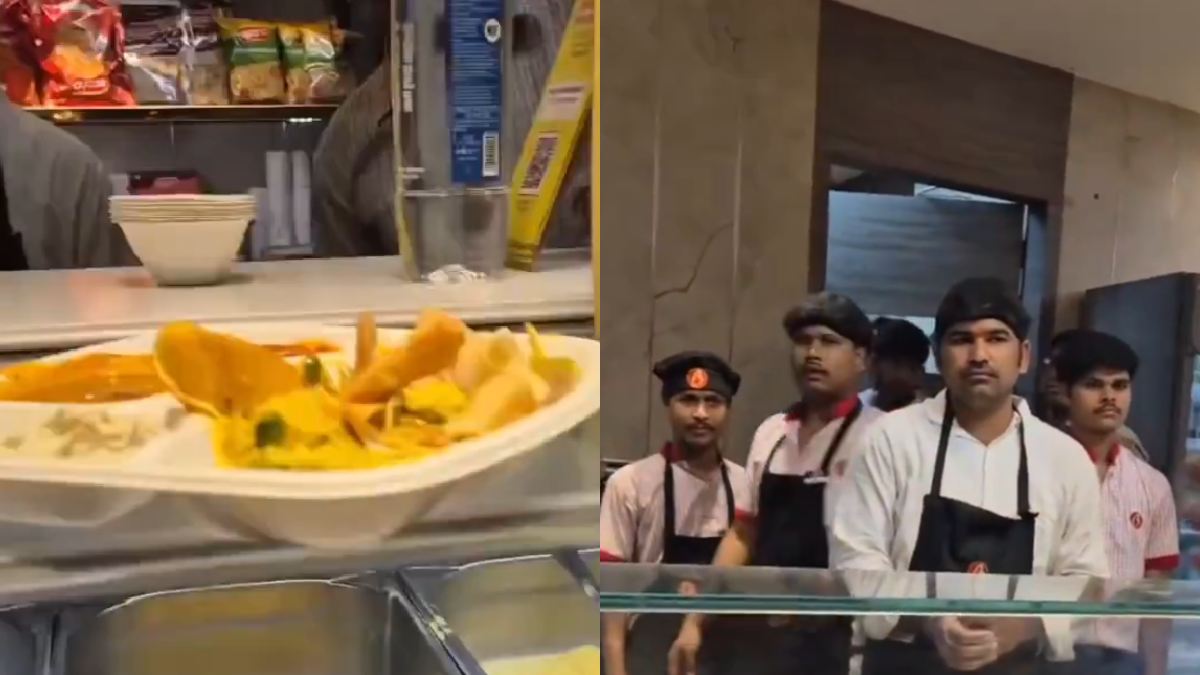
And if someone was served some bad food especially food they avoid for religious or ethical reasons it could feel like a form of betrayal. That's why restaurants and food service providers must be especially careful, especially in a culturally diverse country like India.
The Mistake and Its Consequence
In this case, the waiter's mistake was more than just two dishes getting muddled. It was about not recognizing customer identity. The boy’s reaction -- mentioning his Brahmin background -- demonstrates how serious it is. For him, eating beef is not only unpleasant but also unacceptable.
The girl’s comment also raises a crucial point. She likens the error to serving chicken to a vegetarian instead of paneer. This demonstrates that the significance of food, while looking alike, means very different things altogether. That’s not just about taste, it's about trust.
Adhering to Beliefs in Public Space
India is home to numerous religions, castes, and communities. Each community has its own sets of rules on food that are also generally followed. In public places like restaurants, being respectful about these rules is good service.
Mistakes along those lines can tarnish a restaurant’s reputation and harm customers tremendously. It’s not sufficient to simply say “sorry” after the fact. Staff need to be trained on how meaningful food choices are and how they are connected to culture and religion.
A Lesson in Sensitivity
This is a moment for the truth to be known: That sensitivity does matter. Whether it’s a Brahmin who tries not to eat beef, a Muslim who doesn’t eat pork, or a Jain who does not eat root vegetables, such choices should be honored.
Food is an individual issue, and mistakes can seem disrespectful. When consumers do take orders, restaurants are supposed to ask clear questions. They should double-check dishes before serving. Above all, they should be careful with each and every customer’s belief.
What We Can Learn
What The Story Told Us: A minor mistake can lead to a great significance. It’s not enough to confuse mutton and beef, it's about looking at people. In a diverse society, we need to learn to respect one another’s decisions, particular ones informed by deep beliefs.
It is also important to be very clear for customers. If you have rigorous dietary guidelines, make sure to communicate with the staff. In order to avoid a mistake, communication helps prevent it.
For organizations: It is an opportunity to do better. The training of staff, clear labelling of food and listening to customers will go a long way.
The dining out incident when they served beef rather than mutton to a Brahmin customer, for example, was not simply a food error, but a cultural mistake. What it illustrates is the importance of respecting people’s beliefs, particularly in, say, a country as diverse as India.
Food is personal, emotional and sacred for many people. A simple dish can be so full of meaning. And that's why sensitivity, respect and clear communication should be at the core of every public place. Mistakes will occur, but how we react and how we learn determine what kind of society we want to create.