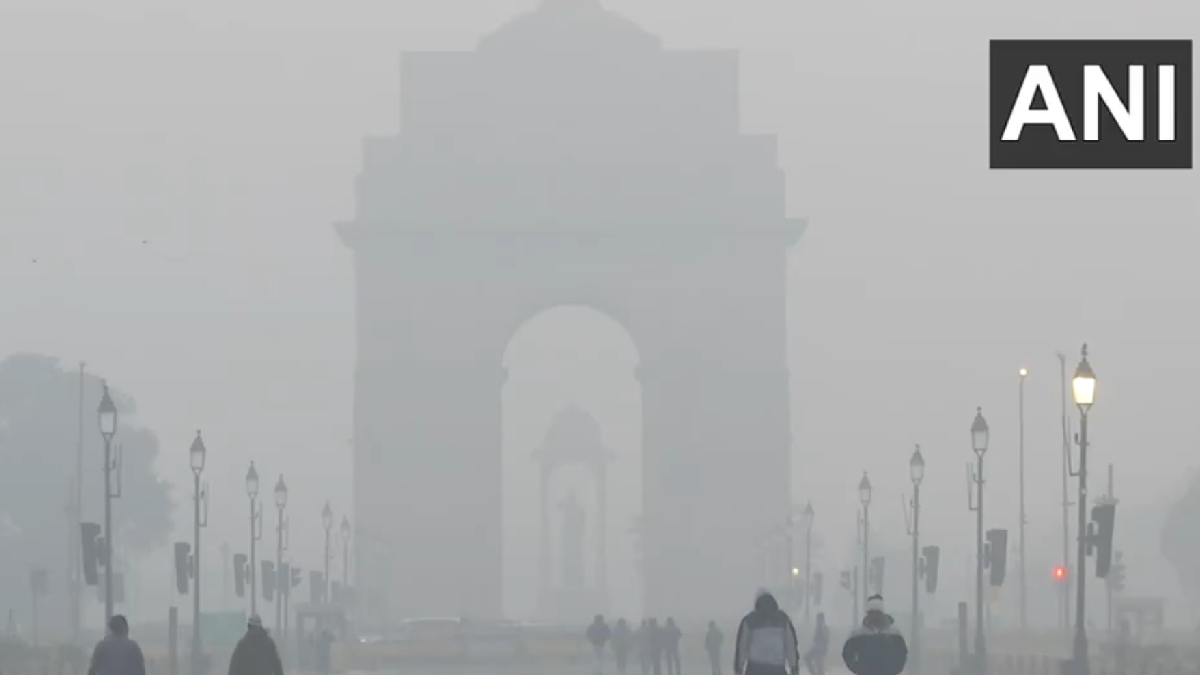
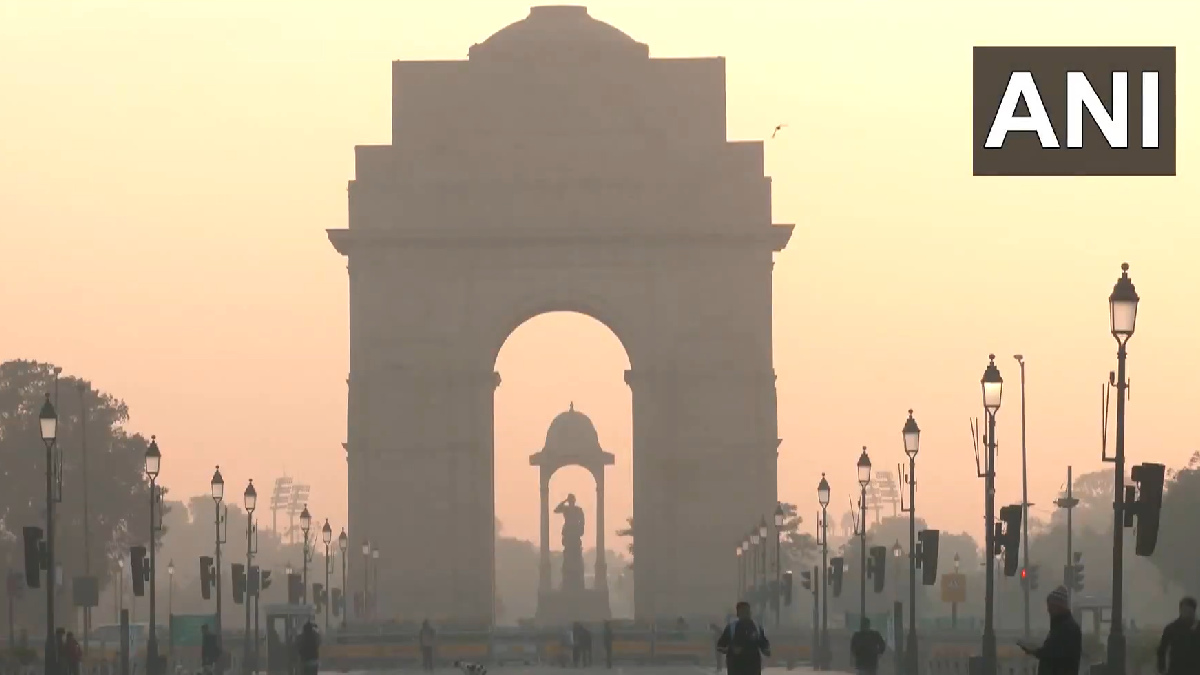
Delhi, National capital of India, ancient history with modern development, also nation's political heart with rich cultural heriage, historical monuments like Red Fort, Qutub Minar, Kartavya Path, Parliament House, though it also facing challenges like air pollution.
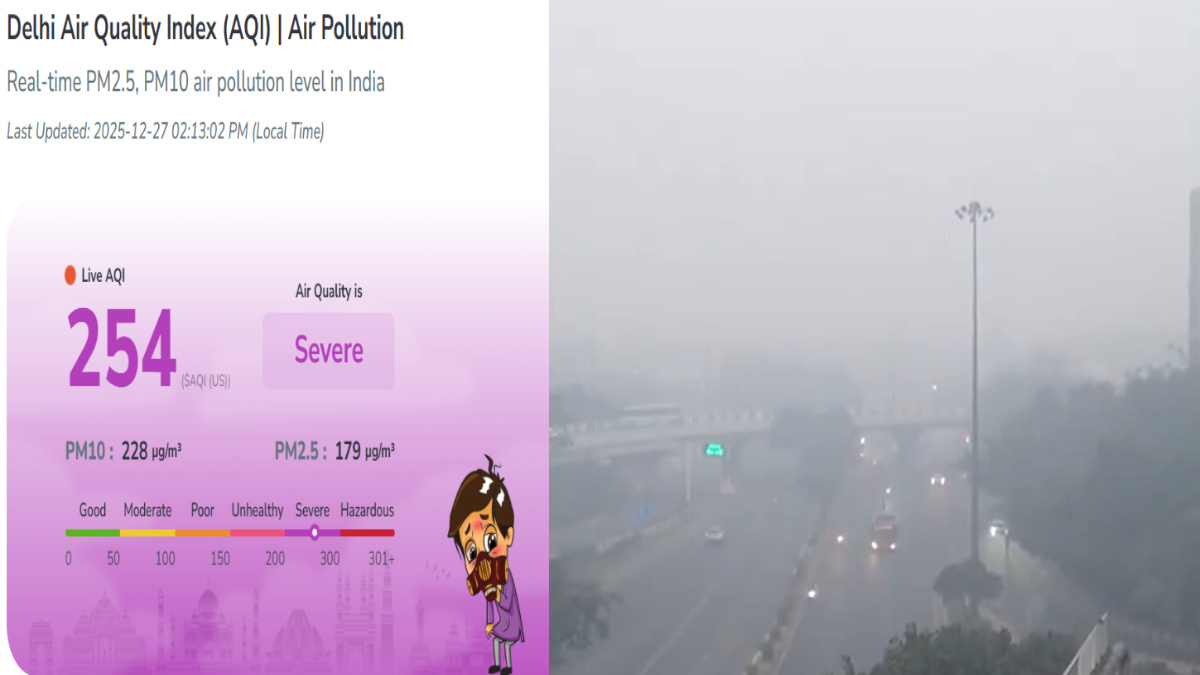
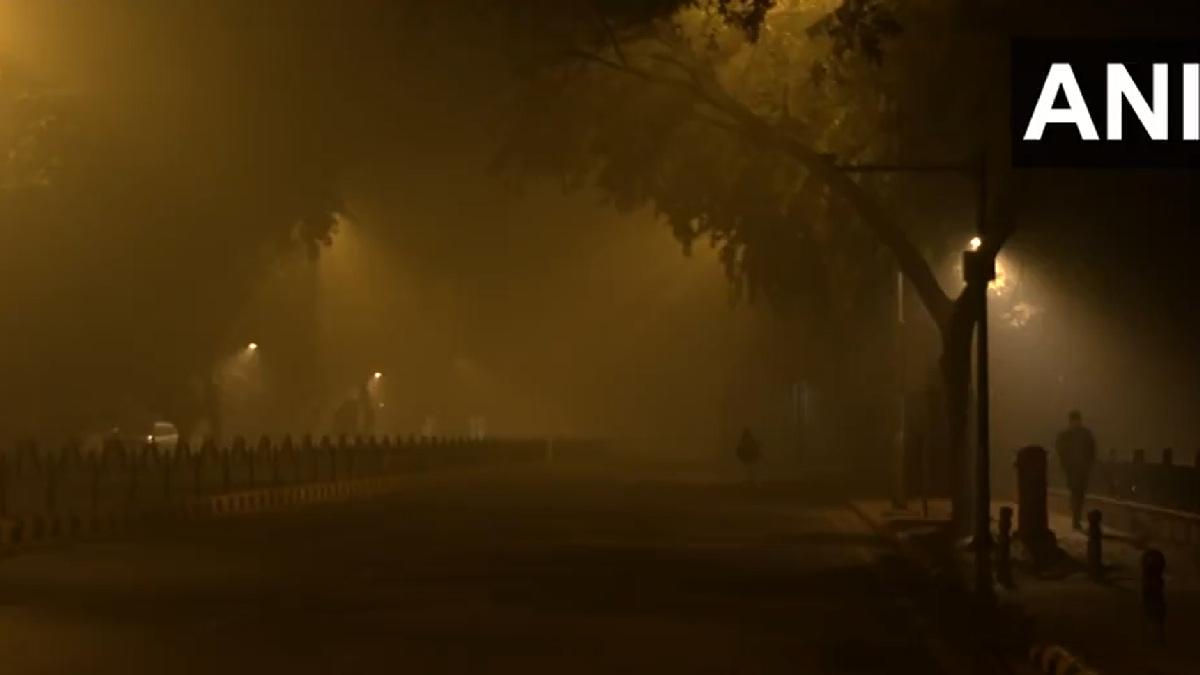
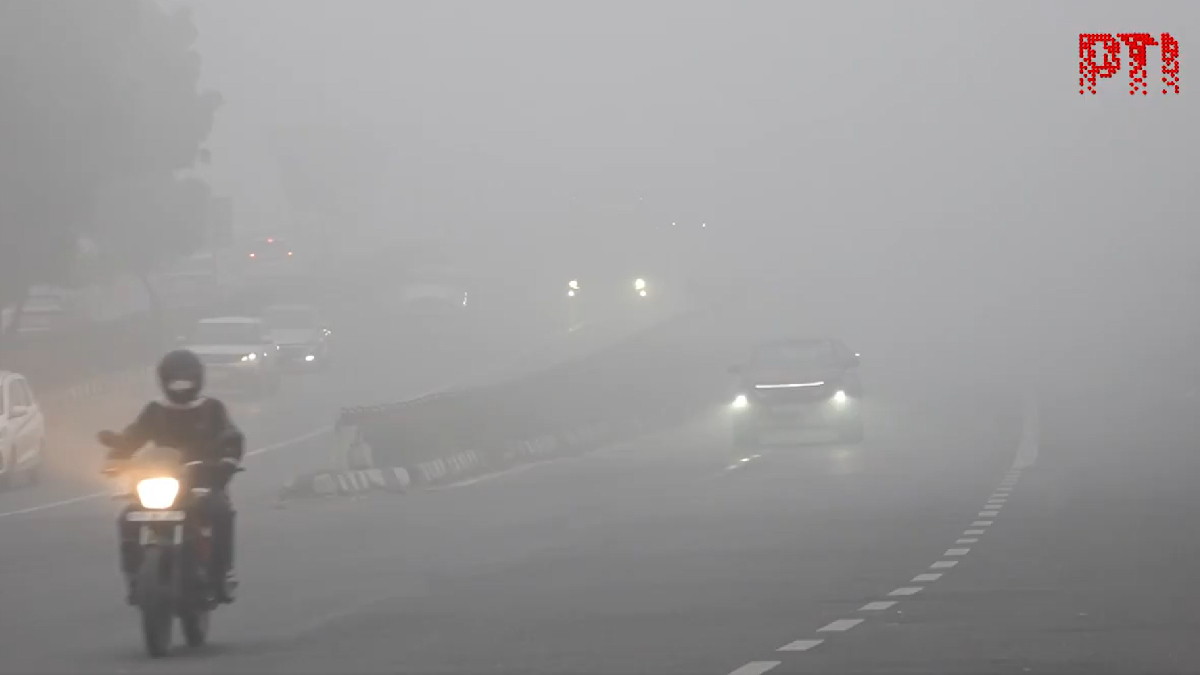
Now a days, delhi's severe pollution from vechicular emissions, stubbel burning in neighboring states, industrial pollution, construction dust, geographical factors like smog, making it a major health crisis.
How bad is Delhi AQI?
Delhi is facing server air pollution(PM 2.5 PM10 from stubble burning, industrial pollution, dust, vehicle pollution), but also soil pollution, water pollution, noise pollution driven by biomass burning, urbanization impacting publich health crisis severely.
Current Air quality in delhi to remain Severe category. According to CPCB, the average AQI of delhi was recorded 283 as of 1 PM today.
Why Cloud Seeding In Delhi fail?
In Delhi, cloud seeding failed due to low moisture content in the clouds, far below the necessary 50 percent for rain, with dry winter atmospheric conditions that pull moisture away, making the technological intervention ineffective as there wasn't enough water vapor to condense around the seeding particles for rain to form.
What is the new pollution rule in Delhi?
Delhi environment minister Manjinder Singh Sirsa said strict enforcement of anti-air pollution measures will continue even after the relaxation of GRAP-IV, and no vehicle without a Pollution Under Control (PUC) certificate will be allowed to operate in the city.
How to protect from bad AQI in Delhi?
To protect from delhi's air pollution, wear N95 masks when outside, keep windows shut, invest in air purifier and intake antioxidant rich foods, avoid outdoor exercises.
Ways to Stop Air Pollution?
Use Public Transport more frequently, planting environmental trees, eco-friendly products, recycle waste mangement, rising awareness about air quality and use natural air purifiers.
What has been done to reduce AQI in Delhi?
Today delhi is facing server pollution with multi-pronged strategies, including GRAP (Graded Response Action Plan), Work from home for government employees, Banning older diesel vehicles, strictly enforcing PUC (Pollution Under Control) certificates, utilising green transport, electric vehicles, green hydrogen mobility, e-rickshaws, and shared electric buses, coordinating with neighboring states on crop burning, water sprinkling, banning construction during high pollution.
Is Delhi AQI affect health?
Delhi AQI is widely know for heart related problems and respiratory issues. Recent Scientific evidence shows its harming vision. The eyes are directly exposed to pollutants, making them especially vulnerable to damage from the fine particles and toxic gases.
It also impacts Childrens immunity, developing lungs, chronic respiratory issues like asthma, bronchitis, fatigue, infections and poor concentration
Delhi pollution impacts senior citizens by worsening cardiovasular issues, breathlessness, fatigue, increasing risks of heart atttacks, lung function, immunity, pneumonia.
How to Find Air Quality Index (AQI)
| AQI Range | Category | Color | Health Implications & Advice |
| 0 – 50 | Good | Green | Air quality is satisfactory; poses little or no risk. Enjoy outdoor activities. |
| 51 – 100 | Moderate | Yellow | Acceptable quality. Sensitive individuals may experience minor breathing discomfort. |
| 101 – 150 | Unhealthy (Sensitive Groups) | Orange | Children, elderly, and those with lung/heart disease should limit prolonged outdoor exertion. |
| 151 – 200 | Unhealthy | Red | Everyone may begin to experience health effects. Sensitive groups should avoid outdoor exertion. |
| 201 – 300 | Very Unhealthy | Purple | Health alert: The risk of health effects is increased for everyone. Avoid outdoor activities. |
| 301 – 500 | Hazardous / Severe | Maroon | Emergency conditions: Serious health risks for the entire population. Stay indoors and keep windows closed. |