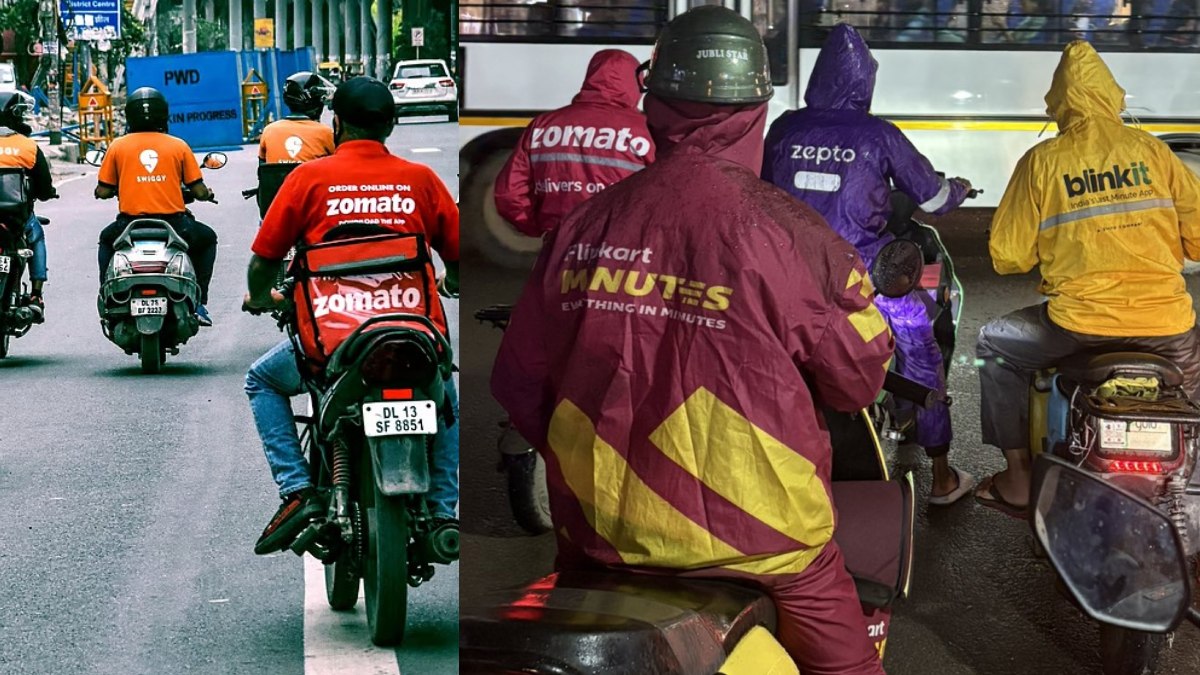
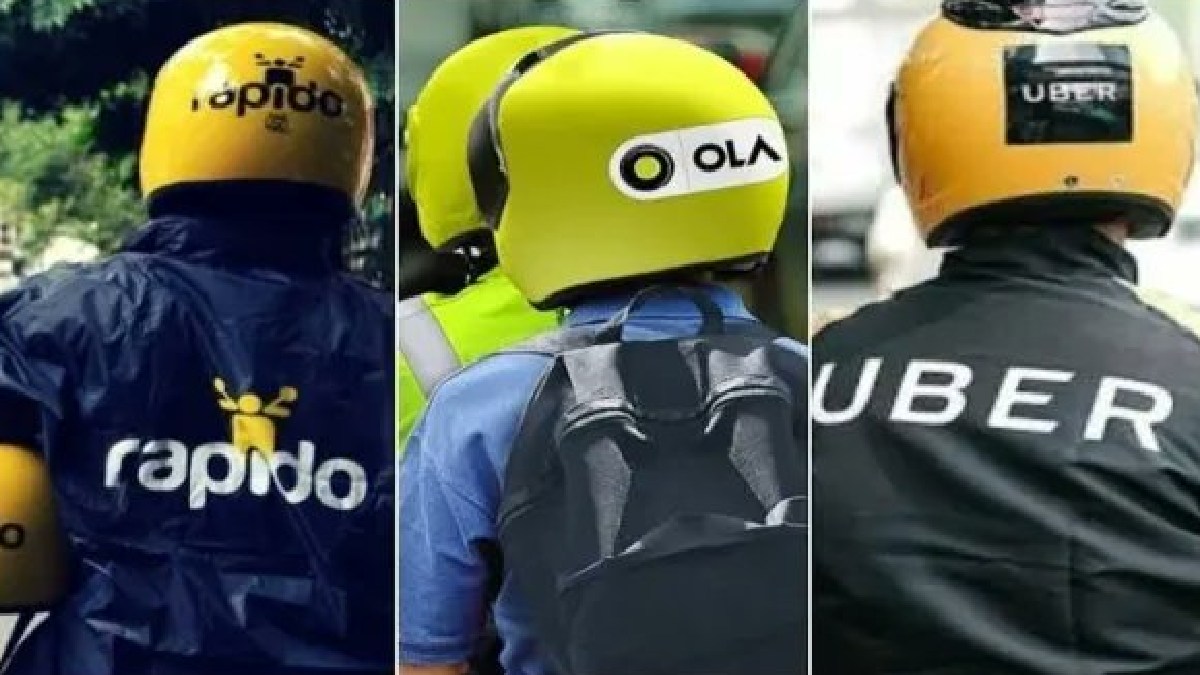
A strike, led by the Telangana Gig and Platform Workers Union (TGPWU) and joined by the Maharashtra Kamgar Sabha and IFAT, signals an unfolding crisis in India’s gig economy. Millions of drivers today have suspended operations for six hours to call for a radical overhaul of how ride-hailing platforms work.
1. Demand for Government-Notified Minimum Fares
The major reason for today’s strike is the price arbitrariness of aggregator companies’ pricing. Though the Motor Vehicle Aggregator Guidelines, 2025 are technically real, unions have asserted that the government has not formally notified specific minimum base fares.
- The Problem: Companies can set their own fares unilaterally.
- The Demand: Demand for a transparent fare regime, regulated by government, that sets a living wage for drivers of cabs, autos, and bike taxis, and prohibits companies from charging as much as 50% below fare at conventional meters in an effort to drum up traffic at the expense of driver pay.
2. The Financial Burden of Safety Compliance (Panic Buttons)
A localized but major complaint is mandatory installation of panic buttons by drivers. Drivers in states such as Maharashtra have declared a “policy mess,” and said those expenses have added thousands of rupees.
- The Problem: The Central Government has approved 140 device providers, but some State Governments have declared nearly 70% of them "unauthorized."
- The Price tag: Drivers who had installed approved devices have to remove these and spend ₹12,000 more on new devices they don’t own or that the state requires them to have creating a serious financial burden.
3. ‘Illegal’ Bike Taxis and Use of Private Vehicles
Licensed taxi and auto drivers are protesting the “unfair competition” spawned by the unchecked use—or misuse—of private (white-plated) vehicles for commercial purposes.
- The Problem: Unions argue that platforms are permitting private cars and “illegal” bike taxis to exist without the standard commercial permissions, tax burdens, or safety protocols that yellow-plated vehicles require.
- The Demand: Bans on vehicles that aren't commercial for the transport of commercial passengers. Drivers say this practice also cuts their income and endangers passengers, with victims of unauthorized vehicle accidents often deprived of insurance benefits.
The Bigger Picture: Gig Worker Poverty
The strike coincides with the Economic Survey 2025–26, which showed that close to 40% of India’s 1.2 crore gig workers earn less than ₹15,000 a month. Labor leaders such as Shaik Salauddin have indicated that unless action is taken fast, millions of transport workers will be driven into permanent poverty as aggregators report record profits.