India has accomplished a remarkable milestone by completing the ZojiLa Tunnel, the world’s longest tunnel at the highest altitude. The engineering marvel will change the way Kashmir and Ladakh are connected year-round using the Zoji La Pass.
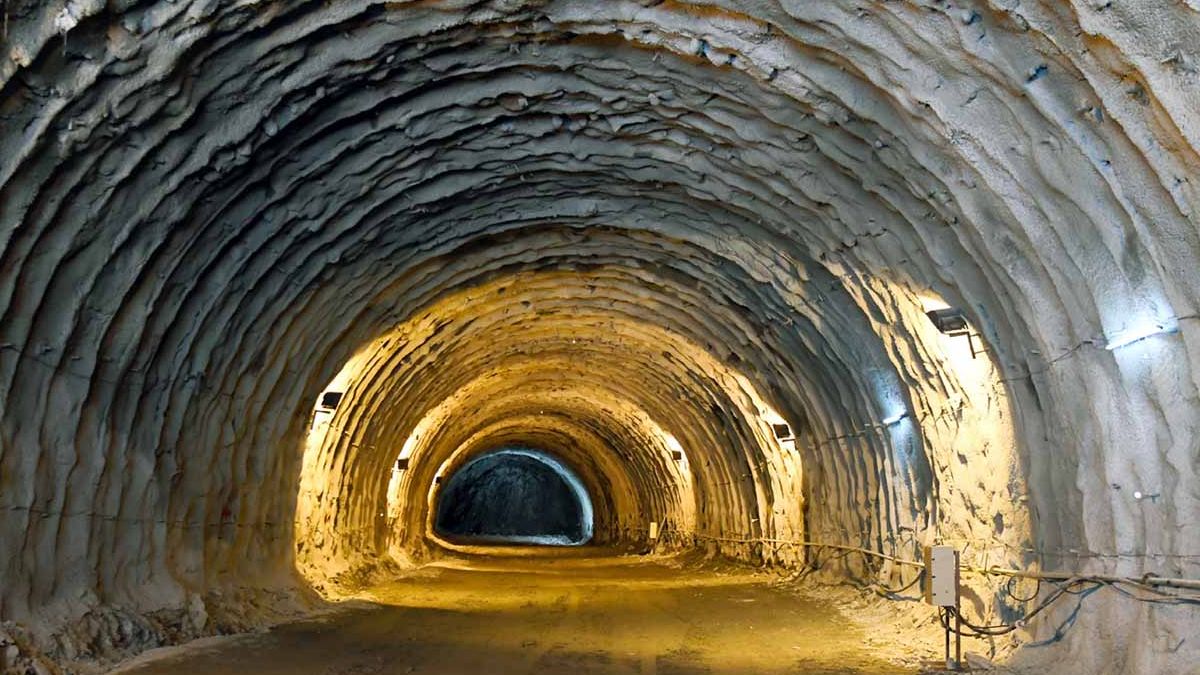
The tunnel is part of the government’s #ViksitBharat vision, both for the infrastructure development and strategic planning. Ladakh has been cut off during harsh winters due to heavy snowfall for decades, but the ZojiLa Tunnel will now give no break between civilian and military movement in the region.
The tunnel will offer local communities better access to healthcare, education, and essential supplies. It will also help in tourism and trade by making travel time between Srinagar and Leh much shorter. Connecting Kashmir and Ladakh is an economic and cultural activity; the project is designed to be seamless.
The tunnel has many broader strategic advantages beyond the usual benefits of the civilian side. It facilitates quick troop movement and logistical support to India’s army should Pakistan or China attack. The ZojiLa Tunnel enhances India’s defense preparedness in one of the most sensitive areas of its border access and makes the country’s security system more robust.
The tunnel is constructed at one of the most difficult altitudes in the world, and it shows India’s growing capability in mega infrastructure projects. All the safety and technological measures are in place to tackle the weather and seismic conditions, and so it is an engineering achievement.
The completion of the ZojiLa Tunnel is more than a road project; it’s a symbol of resilience, progress, and security. Now that India is celebrating this historic achievement, the tunnel is a manifestation of our nation’s technical capability and strategic vision which bridges communities while safeguarding national interests.