In this context of South Asia, cricket goes far beyond just being a sport, it is intrinsically linked to national pride and culture. The ban was made clear after the Bangladesh government suspended television coverage of the Indian Premier League (IPL) 2026. This decision follows just two days after the BCCI instructed the Kolkata Knight Riders (KKR) to release Bangladesh’s star fast bowler Mustafizur Rahman from their squad. The move has turned a sporting issue into a national sentiment incident, angering fans and officials in Bangladesh.
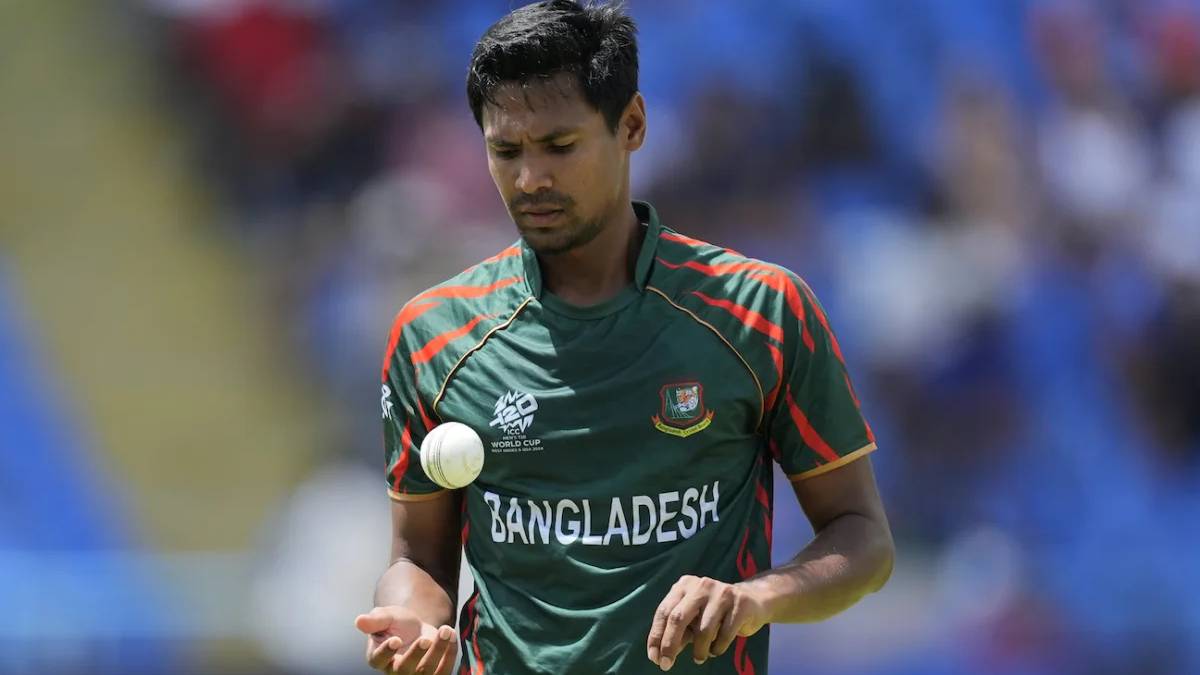
Mustafizur Rahman (the nickname of which is "The Fizz") became the only Bangladeshi to be picked in the auction for IPL 2026. KKR had secured him for a significant sum, reflecting his value as a world‑class bowler. However, the BCCI’s sudden directive to release him, without a clear explanation, shocked cricket followers. For Bangladesh, this was seen as unfair treatment of one of their most celebrated players, and the reaction was swift.
The Bangladesh Cricket Board (BCB) forcefully canceled the No Objection Certificate (NOC) which had been issued to Mustafizur to participate in the IPL, barring him from playing. They even asked for Bangladesh’s T20 World Cup matches to be moved from India. Before long, the government got involved in a more dramatic measure, banning the broadcast of IPL 2026 over television and digital platforms. It was the first such ban ever, and its ban sent a clear message of solidarity with the player and cricketing pride.
The ban is preventing fans in Bangladesh from watching one of the world’s most watched cricket tournaments. Millions of viewers who have watched the IPL since its inception in 2008 now miss out. Media companies like broadcasters and streaming services have been barred from broadcasting the sport, furthering the cost on cricket enthusiasts and disappointing them. But it is a measure deemed one so necessary that it protects the dignity of some of their star athletes.
This is not just about entertainment. It shows how sports can shape diplomacy and national ties. Mustafizur Rahman has signed with the Pakistan Super League (PSL), so he's still very much in the game. One of the things that is troubling India and the Bangladesh community has been his recent exclusion from the IPL, which raises some interesting aspects: fairness and openness in cricket administration.
Although the ban appeases popular sentiment in Bangladesh, it is not without its challenges. Such a vigorous stance coming into play on a day-to-day basis for fans is going to necessitate getting used to not watching any of their favorite IPL teams and players. Broadcasters bleed money, and the absence of BCCI communication on the matter invites speculation. The controversy, left unresolved, might leave mistrust between the two cricketing countries fuelling if nothing is settled.
Finally, it was not just something for the playstation or a court to decide in the game; on the whole, the ban on IPL 2026 broadcast in Bangladesh was an act of patriotism. Mustafizur Rahman’s removal from KKR set off a chain reaction that became a government‑level response. As much as fans may miss the exhilaration of the IPL, the decision represents a testament to Bangladesh’s determination to support its players and claim its place in the world. Cricket may be played in the field, but the region in South Asia has far greater influence beyond the borders of a club.