But Louis Laville thinks there is another thing that is unique about pickleball. Laville says pickleball is a game of intense competition but it is also a game where you’re friends and it is a social game.
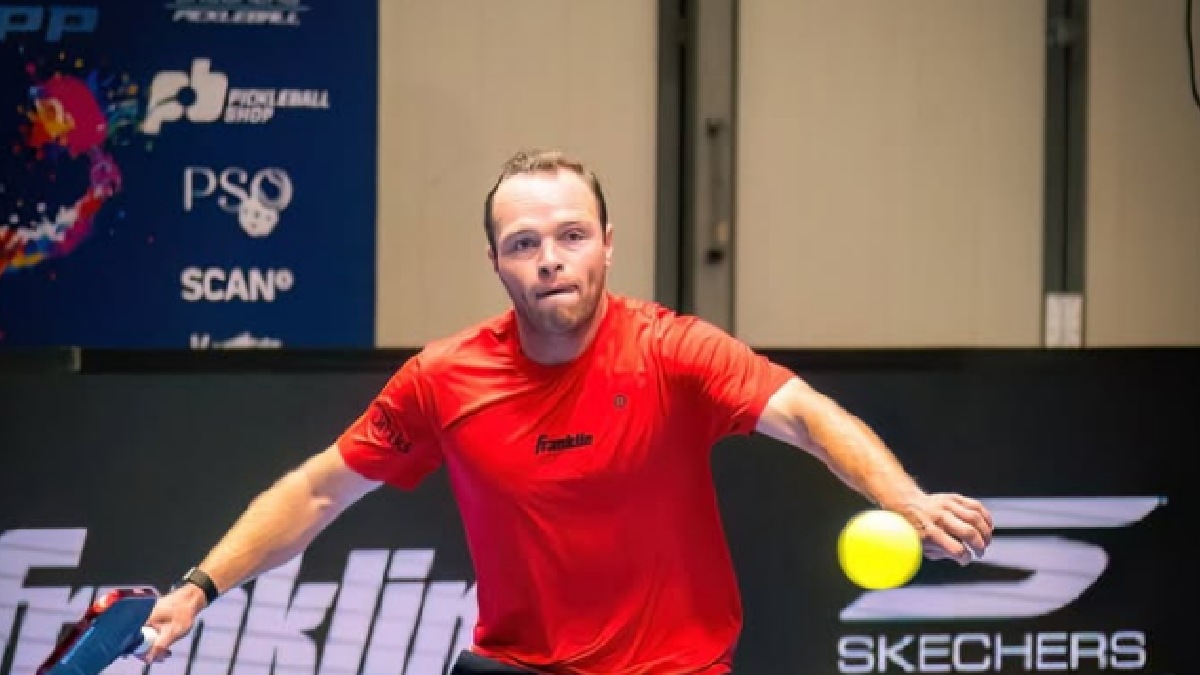
On “Off The Court” Laville said that players can go into a match with a strong desire to win but also have a good relationship with their opponents. There’s a competitive nature to the match but that doesn’t necessarily carry over to the final game. For Laville, that ability to separate sporting competition from personal relationships is at the core of pickleball.
Laville described how players naturally switch between competitive and social modes. Once the game starts, everybody wants to perform well and win and the atmosphere can quickly relax after the last point. Players can compete against each other one moment and then get back to being friends almost immediately after the match, he said.
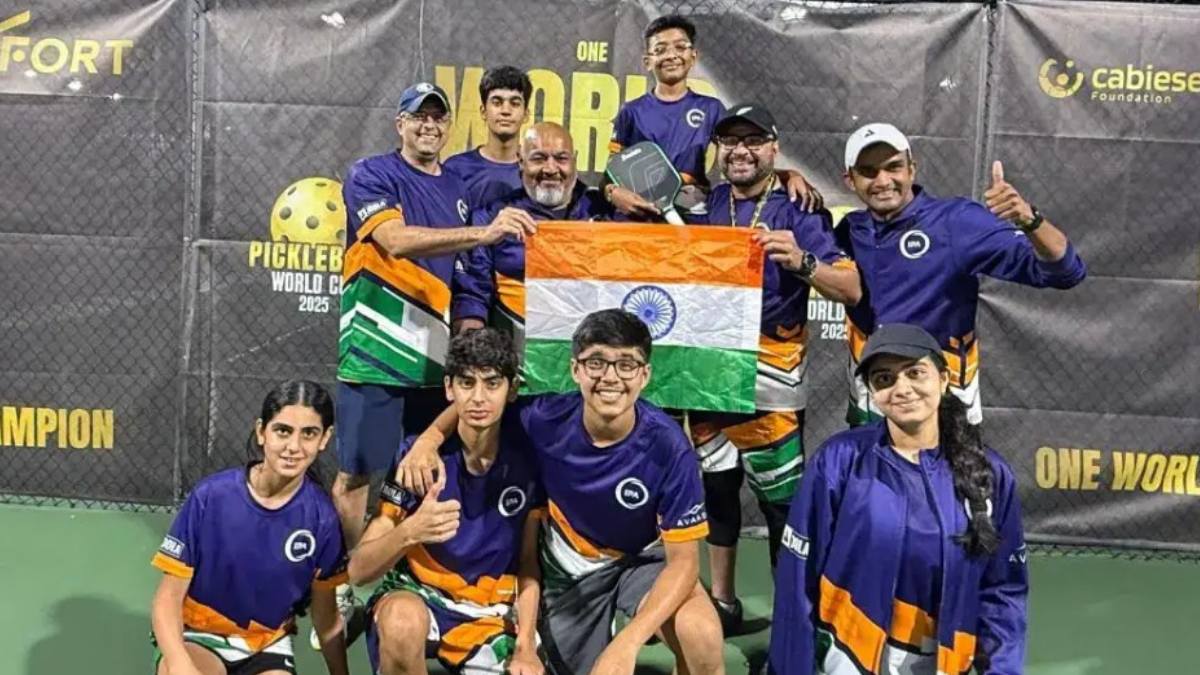
This combination of competition and camaraderie has become an important part of pickleball’s identity. And pickleball, unlike sports where rivalry can sometimes take over the experience, has a lot of interaction between players. Competition is on a court and the court is also the place to be with others where you can chat and make friends together and build a community around.
Pickleball’s Growing Social Appeal
The sport has expanded to various age groups and sports communities and has been played by people who have different levels of experience. Its relatively accessible nature has also helped people get started with competitive racquet sports without requiring them to come from a traditional sporting background.

Sociability and inclusivity are what makes pickleball such a draw, Laville says. Players are able to challenge each other in a serious manner, and a new player can get a sense of belonging and start with a game.
The social element is especially important for beginners. And moving into a new sporting environment can be daunting, especially as the players are familiar with one another. Since pickleball is so much about interaction, it is easier for new players to interact with other people, learn the game and be a part of an entire group.
But the sport doesn’t lose its competitive edge. Players still enter matches with the aim of winning points and improving their performance. Each rally can involve sudden actions, tactical decisions and pressure in a real competitive environment.
What changes, Laville said, is what happens after that competition. A win does not have to cause lasting hostility, and a defeat does not necessarily cause relationships between players to deteriorate. The match can also be an isolated competitive experience within a larger social bond.
Competition Without Losing Camaraderie
Laville’s comments point to a feature that is increasingly being associated with pickleball as the sport expands. The game can give the sense of competition but at the same time be community-oriented.
Players can celebrate victories, deal with defeats and compete intensely for every point before stepping away from the court and interacting normally with their opponents. This separation between the result and the relationship can help create a welcoming sporting culture.
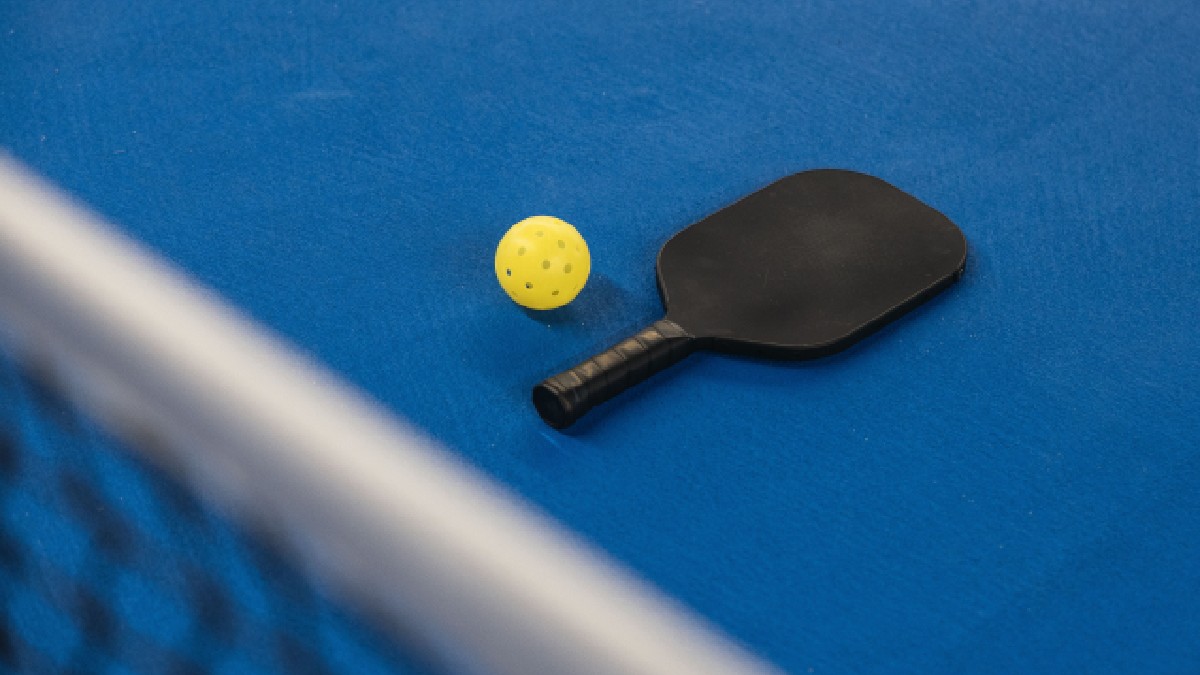
For many players, pickleball is more than just a game in which paddles, a ball and a net are involved. It can also be a way to meet new people, develop friendships and keep going in competition.
As pickleball develops from the local community, it can remain a strong social aspect of its identity. Laville’s point shows how the sport is able to marry two elements that might seem contradictory: the desire to win and the desire to interact with other players.
And his comments suggest that pickleball has an appeal that is not only about what happens in the game itself but also in the connections that develop in the community. The competition may last one or two minutes; however, the camaraderie will go on long after the last point is played.