
There was a time when Manchester United or Tottenham Hotspur losing to a smaller Premier League side would dominate football conversations. Support would call it a shock, pundits would question the manager and the result would be seen as a major upset.
Today that reaction is changing. When these clubs lose points or lose to teams with less money and less history then the outcome increasingly feels like what supporters have come to expect.
That is a pretty awkward question: are Manchester United and Tottenham still big clubs in football, or are they relying on reputations built during better years?
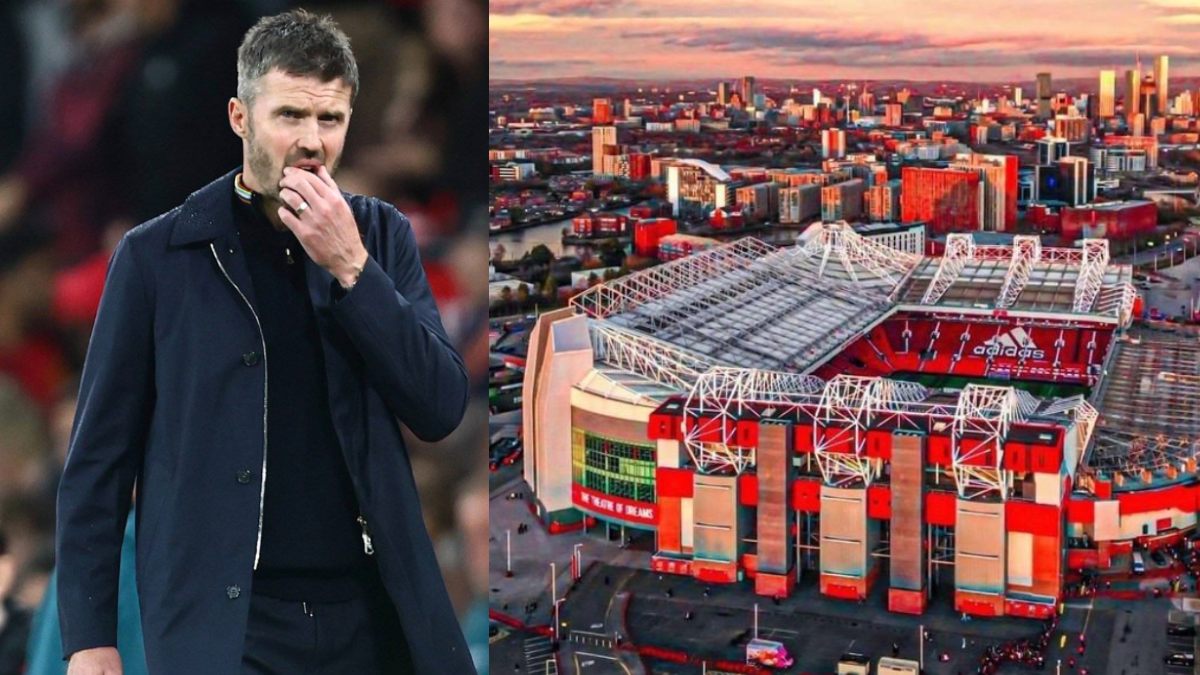
Manchester United: A Giant Struggling to Find Consistency
Manchester United remain one of football's most recognizable clubs, and their heritage, global fan base, commercial standing and success under Sir Alex Ferguson still give them that stature.
But reputation can’t win games on its own. United has been unable to keep up that momentum and poor results have always raised questions of recruitment, tactical identity, leadership and long-term direction of the club.
The problem was illustrated by United’s 1–1 draw against Tottenham on October 10, 2026. United had Bryan Mbeumo leading through but conceded a stoppage-time equaliser to Dominic Solanke, even though Tottenham had been down to 10 players.
United had only six points after six league games. For a club accustomed to competing for major honours, that was a worrying start.
The problem is not that United lose matches. Every club does. The concern is that supporters increasingly struggle to see a reliable identity or sustained progress.
Tottenham: Big Expectations, Bigger Questions.
Tottenham have their own problems. The club has invested in players, infrastructure and facilities, but translating those resources into consistent performances has proved difficult.
Spurs went to the October 10 match with United after losing 3–2 to Aston Villa. They then rescued a point at Old Trafford but they were without a league win after their opening six games.
Such a start is hard to defend for a club that has regularly competed for European qualification. Tottenham fans want more than attractive football, or even good performances. They want commitment and resiliency and real progress.
It is frustration as a result of the disparity between ambition and results.
Are Smaller Clubs No Longer Afraid?
The Premier League is becoming more and more competitive. Better recruitment, better coaching, better tactical analysis to match the talent pool and a larger financial base have helped smaller clubs topple the heavyweights.
No longer do teams approach Manchester United or Tottenham thinking defeat is coming. They press aggressively, take advantage of defensive weaknesses and prey when established clubs look vulnerable.
That is not to say that the giants have become irrelevant. It means their reputation provides less protection than it used to.
After a few disappointing results occur, the word “upset” almost goes out the window.
Big clubs by name, not always by performance
Manchester United and Tottenham are still big clubs in terms of history, support, revenue and global recognition. But being a giant commercially is not the same as being a giant competitively.
The fans judge clubs by what happens on the pitch. They expect clear strategies, good tactics, smart recruitment, a strong mentality to win, and the ability to beat the opposition they are expected to overcome.
Neither club can solve its problems overnight. But both must show that their struggles are part of a rebuilding process rather than a permanent cycle of disappointment.
The verdict: Manchester United and Tottenham have not lost their status as major football institutions as yet. But until performances improve, they will continue to carry more weight than their results. In modern football, history earns respect; consistency keeps it.






Comments
Leave a Comment