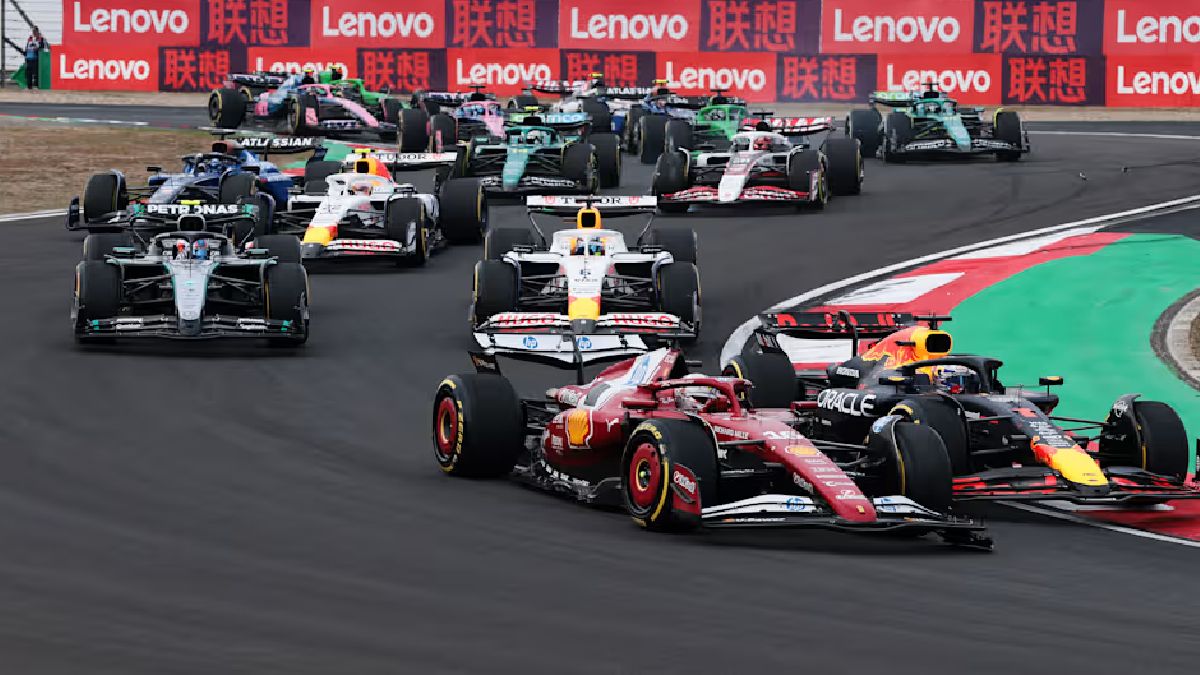
The 2026 Formula 1 season has scarcely ended with the garage open for its Australian opener, but on top of that it is battling a geopolitical crisis that threatens to bring about a seismic remaking of the racing calendar. With tensions between the United States, Israel and Iran reaching a boiling point, the Bahrain Grand Prix (April 12) and Saudi Arabian Grand Prix (April 19) have now fallen under “serious threat” of cancellation. Melbourne’s season opener is going as the plans suggest, but the specter of war looms over the sport’s potentially devastating “Middle East swing.”
Direct Strikes and Security Fears
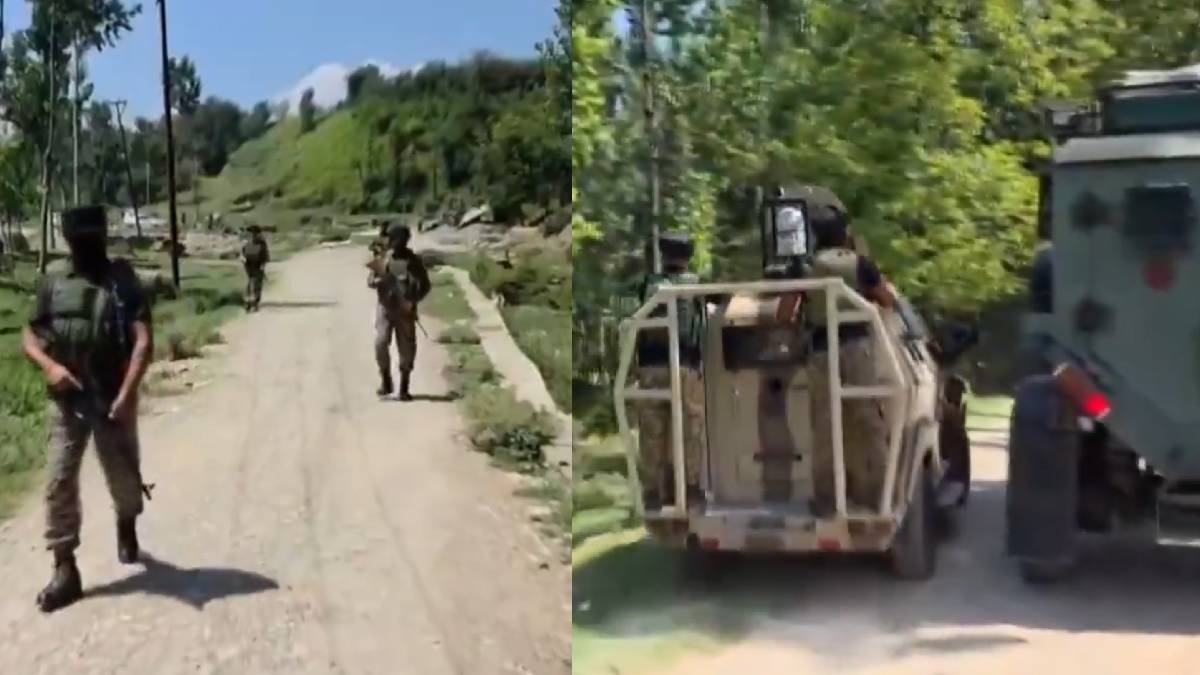
Reports of Iranian missile and drone strikes retaliating at infrastructure in the Gulf led the alarm to go from "logistical" to "immediate."
- Bahrain: A missile strike recently struck a US naval base in Manama that is located adjacent to hotels and areas most known for the work of F1 personnel.
- Saudi Arabia: Security assessments have also found the Jeddah Corniche Circuit vulnerable, especially with respect to potential threats to facilities – such as energy centers targeted by strikes from neighbouring countries in the past.
The severity of the situation was highlighted last week when Pirelli needed a sudden cancellation of a wet weather tire test in Bahrain. Employees from Mercedes, McLaren and Pirelli were left stranded in their hotels while air routes were closed, as the closed airspace of the country and eventually evacuated on charter flights as an emergency.
FIA Response: "Safety Over Sport"
FIA President Mohammed Ben Sulayem delivered a message saying Monday that "the governing body is in constant dialogue with local promoters and government ministers." “Safety and health will inform our approach as we review the future of these events,” Ben Sulayem said. “Our organization is founded on a foundation of unity And now more than ever, that unity is important.”
Now the official line is an “ongoing monitoring,” but F1 insiders say March 10 signals a crucial decision window. Since freight has to have a three-week lead time before it can arrive in the Gulf, it is a long way to go until the circus leaves Asia-Pacific.

The Plan B: Come Back to Europe?
F1 has two options in the event the Middle East races are not viable: it could trim the 24 race calendar to 22, or switch on “standby” venues. But multiple legendary European circuits have reportedly offered to pitch in, with hosting fees waived:
- Imola (Emilia Romagna): A preferred back at after recently leaving the calendar.
- Portimao (Portugal): Known for its “rollercoaster” layout and flexibility with a track for little notice.
- Istanbul Park (Turkey): Another option of high-speed option being talked about.
Season Opener Logistical Chaos
The crisis has already affected the Australian Grand Prix. The closure of Middle Eastern airspace, resulting in more than 1,000 team personnel and officials re-routing via Singapore and Hong Kong, led to the lifting the severe curfew rules governing F1’s Melbourne races (with travel delays as the result of “force majeure” travel).
And as Melbourne gears up for the first light in Melbourne this weekend, the paddock’s conversation is not so much about circuit times as the question of whether to head back to the Gulf. If the Japan Grand Prix fails to reach a ceasefire on March 29, the 2026 season could very well be a European-heavy championship again.