In this most momentous diplomatic turn, Narendra Modi, the Prime Minister of India, has promised the exclusion of Pakistan and Bangladesh from the forthcoming Commonwealth Speakers’ Conference, beginning on January 15. The global parliamentary meeting which convenes the lawmakers of Commonwealth countries will also occur without those two South Asian neighbors having a say, a clear sign of India's current diplomatic position. Pakistan’s absence is something that’s broadly recognized and anticipated under an atmosphere of historical tension between the two countries, but for Bangladesh not to participate also marks a turning point. Bangladesh’s parliament is currently not in session, officially not involved. But analysts interpret this as a reflection of India’s tough stance towards both countries amid worsening bilateral matters, including with Bangladesh. It is a move that will essentially bring Pakistan and Bangladesh under the same diplomatic banner as, if not Bangladesh's, New Delhi, thus hinting at New Delhi reexamining the existing status of relationship both with Dhaka as well as Islamabad.
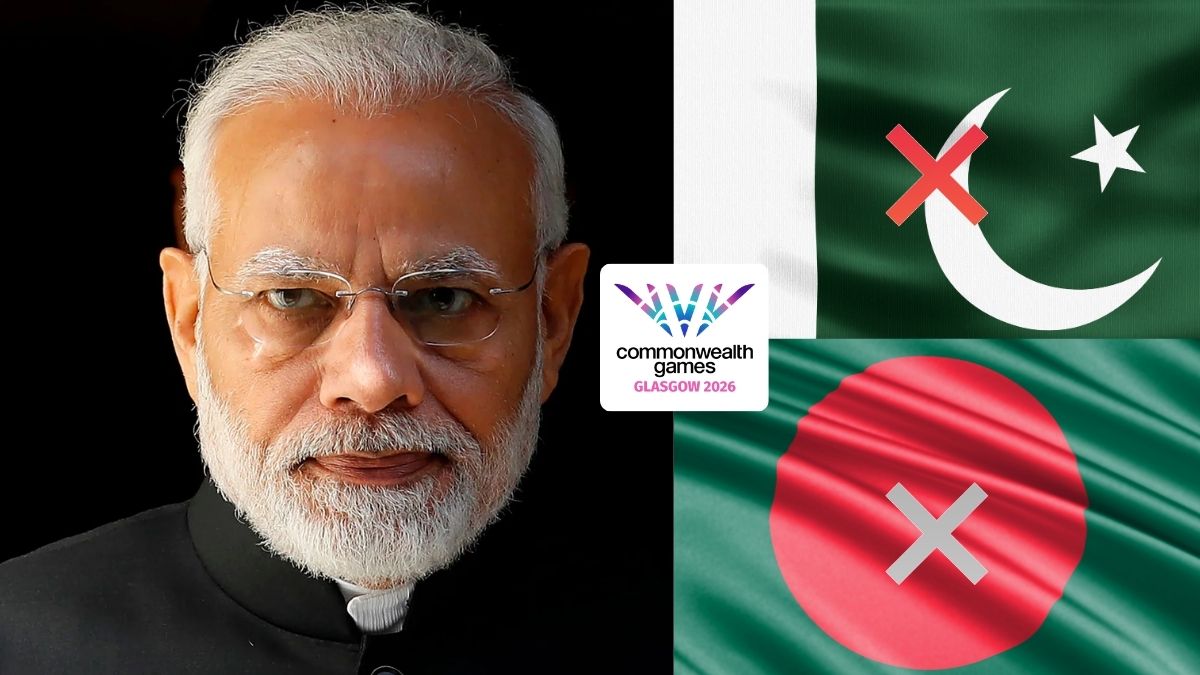
Context of Rising Concerns. India’s decision follows growing fears over attacks on Hindus in Bangladesh, which have aggravated tensions between the two nations. Scrutiny of violence and the rise of communal unrest has unsettled Indian officials and within domestic political circles. Historically, India has taken a more nuanced approach to Bangladesh, given that the two countries have similar cultural, historical and economic ties. But recent developments seem to have blurred that line in New Delhi’s foreign policy calculus. By excluding Pakistan and Bangladesh from a central Commonwealth parliamentary forum, India is signaling a posture of ‘no special treatment’ towards these neighbors, a departure from previous diplomatic diplomacy that has, in some cases, permitted exceptions based on historical goodwill or strategic interests.
Implications for regional diplomacy. This action illustrates how international diplomatic action can depend very much on security and internal factors. India’s decisive message might be an attempt to pressure both Pakistan and Bangladesh to meet the challenges that New Delhi sees as crucial: cross-border militancy, minority rights, political stability — key factors for peace and order. Besides this, making Bangladesh look like Pakistan diplomatically could have more significant ramifications for Bangladesh and relations with Dhaka in the long run. Despite India taking pride in connectivity initiatives, industry, and regional relationships framed by mechanisms such as BIMSTEC and the South Asian Association for Regional Cooperation (SAARC), tensions could continue to muddle relations.
Conclusion. The exclusion of Pakistan and Bangladesh from the Commonwealth Speakers’ Conference during Narendra Modi’s tenure is not just a scheduling issue but also a diplomatic ploy of New Delhi. As a result increasing scrutiny over communal assaults in Bangladesh and unending hostility from Pakistan, India establishes a hard line which reframes regional relations. Whether this will lead to positive progress or to a further rift, we cannot know, but the signal is clear — India deserves responsibility — and India will not afford to give special favors to its neighbors in a relationship that is growing more difficult.