The Fire-Ripped Moment: On Respect And Power In Cricket. (That moment of on-field tension triggered conversations on discipline and respect in current day cricket, when Tim David and umpire Virender Sharma pointed out the Australian cricketer and the whole thing about discipline and respect in cricket, but I will have to make no argument here).
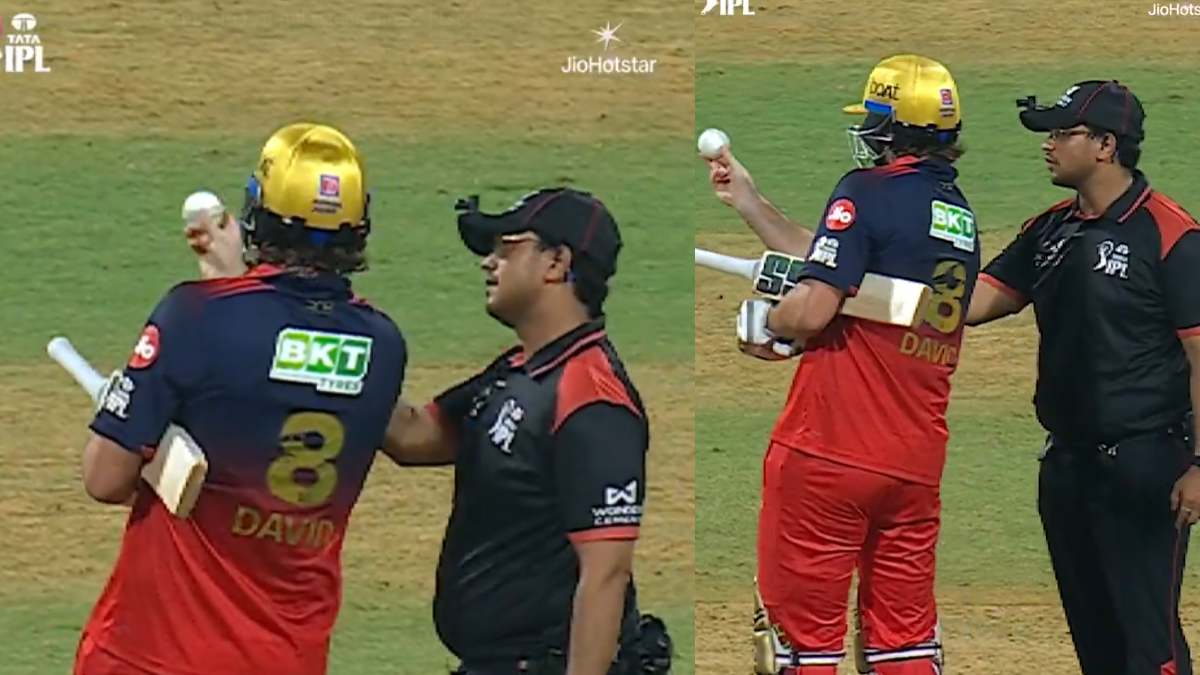
What Exactly Happened? When Tim David asked at an umpire's station, or even asked the umpire to take the ball, which is an inspection that a cricket umpire normally does to make sure the cricket ball does not alter the image after being tampered with so the physical status of the ball is maintained. But David seemed resistant to that rule. Following repeated calls from staff, he said, he could not check the ball himself before handing it over, the court said.
His hesitance brought unexpected delays in the game, which officials and players visibly fretted over. Virender Sharma was at a distance when things turned sour. Observing how the standoff unfolded, Sharma had issued a very grave warning to David that he was straying over the boundaries of what was considered appropriate on-field behavior. Why This Matters. Cricket is built into the game’s traditions of respect and social behavior.
That was utter disrespect towards the on-field umpires.
— Cricketopia (@CricketopiaCom) April 12, 2026
The umpire repeatedly asked for the ball, but Tim David remained adamant about checking it.
Finally, Virender Sharma, who was standing at a distance, had to issue a stern warning to David. pic.twitter.com/n612PGVSWq
The players should also strictly obey the decisions of the umpires in the game totally without any dissent, power. Every sort of dissent a wordy-or whatever they say, a gesture of rebellion can stain the spirit of the game itself. David’s failure to comply with the umpire’s request immediately would have been considered an affront to that authority. Of course, you might argue that a player has the right to be fair, yet also whether fairness is guaranteed is paramount. Responses from the Cricketing World. The incident has drawn mixed views from fans and experts.
For those who take the blame, Tim David's example stands to embody no respect whatsoever, no consideration. That’s particularly problematic for those young and young-looking players who, until now, had only seen the game at close range. Even more tempered are other views, that an over-competitive pressure will at times result in momentary gaps in judgment. But even these voices all concede: Respect for umpires is pretty much a must. Umpires Are Maintaining Discipline with Umpires: The Power of Umpires Virender Sharma and others who help enforce the rules uphold the rules and set an example of integrity when umpires are the ones enforcing.
The matches go right on because they keep their promises. When players resist or stall compliance, it makes it more difficult for officials and can disrupt play. It’s his role here, apparently, and Sharma here must have been crucial, keeping the matter under control before it got out of hand.
A Thought for Modern Cricket. Cricket is evolving rapidly while developing with more extreme physicality and an increased focus from a global outlook and it has become clear discipline comes into play on the pitch. So this is a frequent occurrence, which is why you need passion and competitiveness on a cricket pitch, the team player loses respect, professionalism comes into play. For Tim David, maybe this is something he can learn from. And for all that cricket, it reaffirms an enduring principle: the ethos of the game is one of deeds as much as skill.