India has many such places to visit, but some are rather unusual and out of the tourist destination list of the world. Badami in Karnataka is one such place that will give a glimpse of Indian architectural and cultural heritage in its red sandstone cliffs, old cave temples, historical forts and peaceful lake.
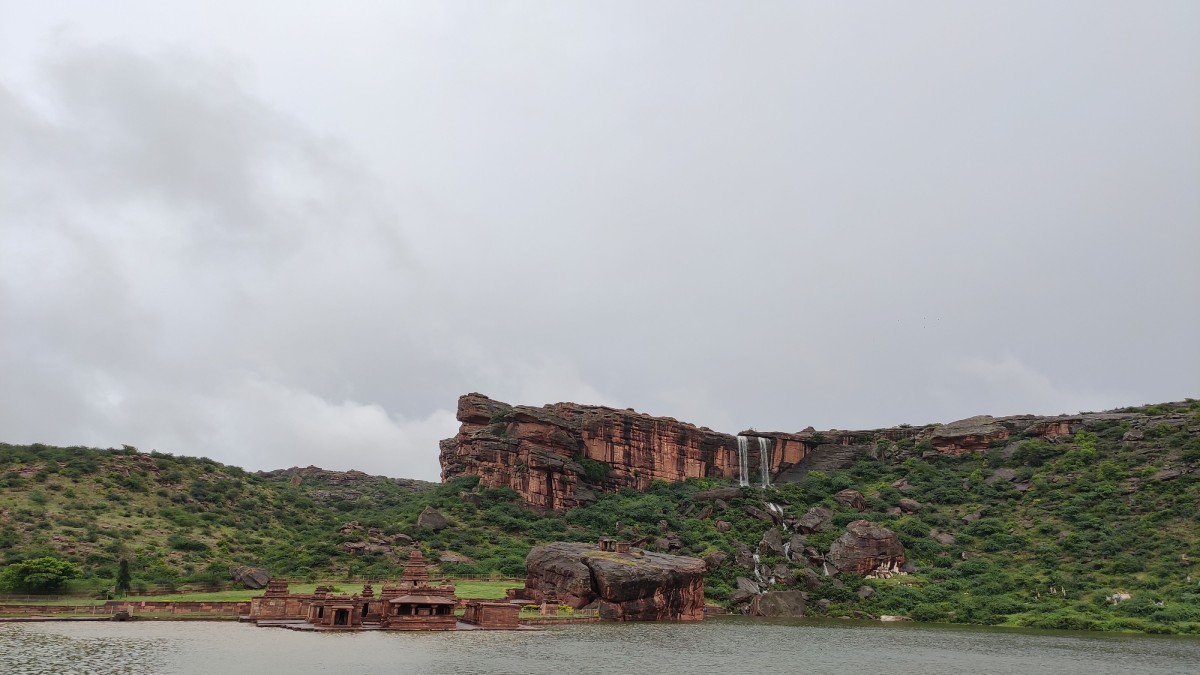
Shivangi recently traveled to Badami and has brought attention to a place that is largely forgotten by more popular tourist spots in Karnataka. Her visit to Badami is a reminder for anyone interested in history, architecture and less-visited areas of India.
Badami was the capital of the Chalukya dynasty and it was named Vatapi. The history of the city makes its way through its temples, rock-cut caves and monuments all over the place. Badami was one of those centres of temple architecture between the 6th and 8th centuries (Karnataka Tourism).
Badami's Caves, Fort And Lake Tell A Story Of The Past
The principal attraction in Badami is its cave temple complex. Four rock-cut caves have been carved into the red sandstone cliffs and sculptures and architectural details date back centuries.
Hindu and Jain culture are represented in the caves. The first three caves show Hindu deities such as Shiva and Vishnu and the fourth one is associated with Jainism. The fusion in this way is a little glimpse into the many religious and artistic cultures that were prevalent in the region.
One of the most striking sculptures is the 18-armed Nataraja in Cave 1. The detailed carving shows Shiva in his cosmic dancing form and is among the most recognisable artworks at the site.
The experience is not limited to the caves. Badami Fort is located on the hill above the city and offers views of the surrounding landscape and is also an interesting addition to a Badami trip.
At the foot of the cliffs is Agastya Lake. The water, sandstone hills and temples around its edges provide one of the most recognisable views of Badami. The Bhutanatha temples sit along the lake and add another layer to the city’s architectural character.
A Heritage Trail Beyond Badami.
What is good about Badami is that it can be incorporated with other heritage destinations around it.
Pattadakal is 22 km from Badami and is a UNESCO World Heritage Site for the Chalukyan temples. The complex is particularly interesting because it combines North Indian Nagara and South Indian Dravida architectural styles. Virupaksha Temple is one of its major highlights.
Aihole is another important stop. It is 35 km from Badami, and it is often called the cradle of Indian temple architecture. There are over 100 ancient temples in the city, including the excellent Durga Temple and Lad Khan Temple. It was one of the places where architectural ideas were later developed in Pattadakal.
Mahakuta can also be added to the route. The temple complex, 14 km from Badami, is much quieter than more famous heritage sites.
Badami, Pattadakal and Aihole are one of Karnataka’s most rewarding heritage circuits. The area offers a chance to observe how temple architecture evolved over centuries and the landscapes in northern Karnataka.
Badami is especially appealing for travellers who want something different from the usual city breaks and crowded tourist attractions. It combines history, architecture, photography and natural landscapes in a relatively compact area.
The best time to visit the area is in the cooler months (October to February). You can take a full day to explore Badami itself, and two days are enough to visit nearby Pattadakal and Aihole.
Shivangi’s trip to Badami is an example that some of India’s most memorable travel experiences are not always found in the country’s biggest tourist destinations. Sometimes the best way to discover India is to travel the less travelled route and spend some time looking at the history written into its oldest stones.