
The tourists planning a safari in Karnataka’s Chamarajanagar district will have to keep in mind a major change in safari rules. The Forest Department has banned mobile phone use during safaris in Bandipur, K. Gudi and P.G. Palya, following directions of the Supreme Court of India, the report says.
The move to conserve wildlife, decrease human disturbance in protected forest areas and to enhance safety on safaris is supported by the introduction of GPS chips and a data security device. The visitor should check the latest instructions before traveling to these renowned wildlife territories.
According to the report dated October 10, the department’s order refers to paragraph 48.5 of a Supreme Court directive dated November 17, 2025. The instructions have been issued to stop mobile phone use in ecotourism zones in the tiger reserves.
According to the report, the department has instructed the relevant officials to ensure that tourists, drivers and guides follow the rules before walking out to safari areas. Clear instructions will also be given at safari departure points and vehicles so that visitors will know what they are going to see before they leave.
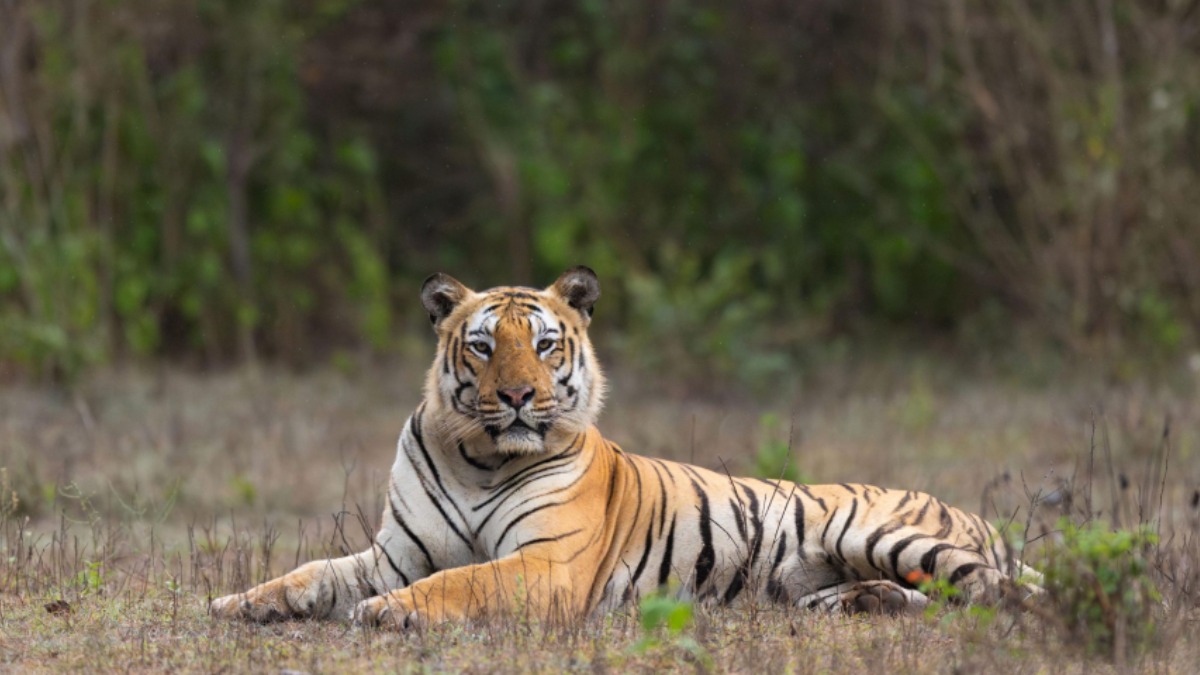
Bandipur is one of the best and most popular wildlife places in Karnataka and a place to visit tigers, elephants, deer and other forest animals in their natural habitat. Safaris allow tourists to visit the forest and follow designated routes under the supervision of authorised personnel.
Wildlife tourism also needs to be monitored in the right way and human activity needs to be controlled to not interfere with the animals’ habitat. Limits on certain activities of visitors can be part of a more peaceful and controlled environment in sensitive areas.
Mobile phones are commonly used by tourists to take photographs, record videos, communicate with others, and share their experiences on social media. But frequent phone use during a safari may cause distractions for guests and staff. Phone sounds, ringtones and other disturbances may also take away from the quiet needed to observe wildlife. The reported restriction serves as a reminder that safaris are not just a sightseeing trip; they are in nature and wildlife protection must be a high priority.
The reported guidelines also point out the importance of clearly indicating warning signs. Safari vehicles and starting points are supposed to be equipped with clear signage about mobile phone restrictions before taking off, so that tourists do not get lost in the chaos.
The department will also use its ticket-booking software to inform visitors of the rules and explain why cameras can be used in accordance with the applicable guidelines.
Another aspect of the reported order is emergency communication. Tourists, and in turn the staff, should have wireless communication equipment in safari vehicles to communicate with forest staff and guides in case of an emergency, car problem or any other situation. Such a mechanism is needed in forest areas where the mobile network coverage is not good or as reliable as in the city.
The report also mentions airplane mode as part of the instructions for handling mobile devices. However, visitors should ensure that the exact requirements are specified by the Forest Department or safari operator before they go on their visit, so that the exact implementation rules may differ from the general summary of the report. Tourists should not assume that they can use their phones freely based on the fact that they have switched off mobile data or enabled airplane mode. The official instructions should determine how devices should be stored or used in the safari.
For photography lovers, the reports indicate that cameras are permitted and should be used in line with the rules. Those who wish to document wildlife images should check which equipment is permitted and ensure that the guides and forest officials are knowledgeable about it. They should not make a lot of noise, flash photography is prohibited, feed animals, and try to attract wildlife to take pictures. Maintaining a respectful distance and following the designated safari route are necessary for good wildlife tourism.
The restrictions are reported to apply to Bandipur, K. Gudi and P.G. Palya safari operations in Chamarajanagar district. Before going out, visitors should verify their booking, check current instructions, and be sure they know what their safety conditions are and arrive prepared to comply with the rules. Safari operators should also communicate the requirements clearly in advance to avoid last-minute inconvenience.
On the whole, the mobile phone restrictions reported by visitors to these Karnataka wildlife spots are a major change that will impact the experience of wildlife conservation and the safety and security of tourists. They must follow the law (and be respectful of wildlife) and they must not go to any illegal places.
This article is based on the Kannada report. Before issuing it, verify the Supreme Court order cited above, the scope of mobile phone restrictions, airplane mode and camera usage, and the implementation status of the same with the Karnataka Forest Department or the official order.







Comments
Leave a Comment