
Goa’s popular beaches could soon be under tighter regulations as the state Forest Department has proposed to declare 24 beaches as turtle nesting sites under Coastal Regulation Zone (CRZ) Notification, 2019. Baga, Calangute and Palolem are among the tourist destinations mentioned in the proposal which will now have to decide how beach tourism and commercial activities will be affected.
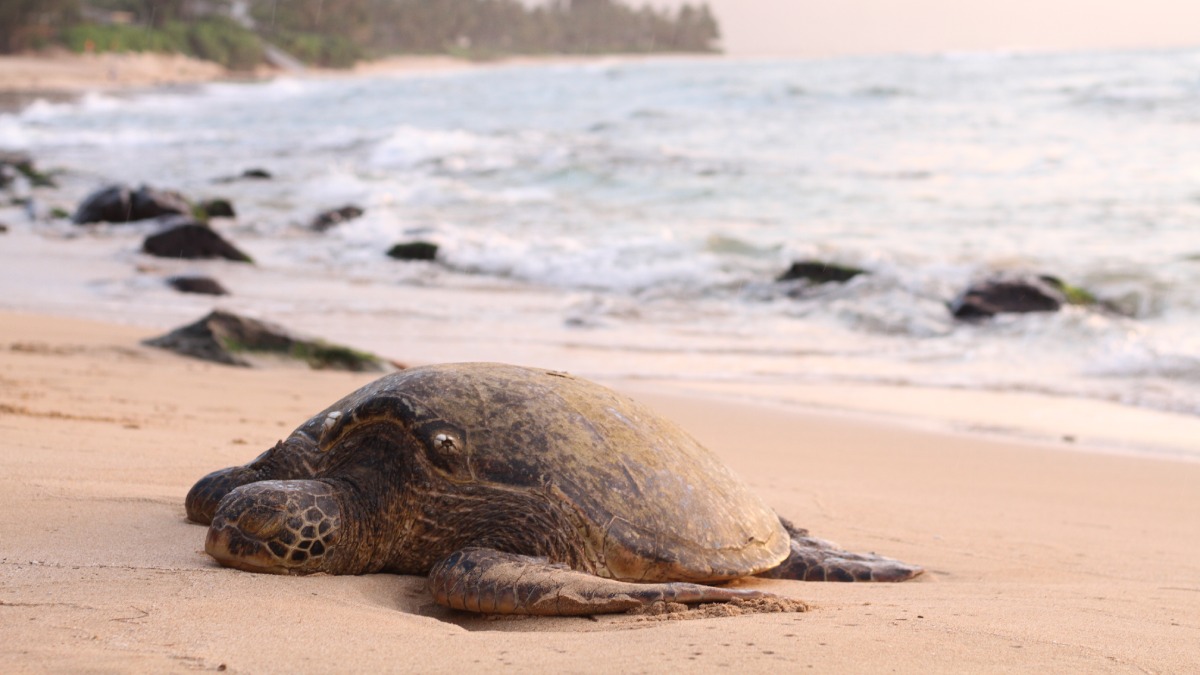
The proposal would protect olive ridley turtle nesting habitats which are increasingly threatened by tourism-related activities and coastal development. If the proposal is accepted some activities could face stricter controls (especially during turtle nesting season).
But this proposal does not mean that Goa’s beaches will be closed to tourists or blanket tourism ban is being introduced.
Which 24 Beaches Have Been Proposed As Turtle Nesting Sites?
The Forest Department has written to Goa’s Department of Environment and Climate Change asking that the identified beaches be made turtle nesting sites under CRZ 2019 framework.
The proposed locations are in North and South Goa.
North Goa beaches:
- Morjim
- Mandrem
- Vagator
- Calangute
- Candolim
- Keri
- Miramar
- Ashvem
- Baga
- Arambol
South Goa beaches:
- Rajbag
- Mobor
- Cabo de Rama
- Patnem
- Baina
- Palolem
- Cola
- Carmona
- Cavelossim
- Varca
- Talpona
- Agonda
- Galgibag
The reported proposal refers to 24 beaches but the published list lists only 23. The complete official list will have to be confirmed by authorities.
Could Baga, Calangute and Palolem be on the tourism restriction list?
Popular tourist destinations have been included in the study because these beaches host a variety of commercial and recreational activities.
Baga and Calangute in North Goa are famous for their beach shacks, restaurants, nightlife and water sports. Palolem (South Goa) is popular with tourists because of its scenic coastline, accommodation options and relatively laid back beach atmosphere.
If the proposed designation is approved, activities that could come under closer regulation are:
- Artificial lighting near nesting areas should be installed and used.
- Construction and operation of beach shacks.
- Beach parties, weddings etc. Organising events.
- Organising beach parties weddings other events
- Vehicles and other human activity moving near nesting grounds.
- Loud music and other nighttime disturbances.
The precise restrictions, enforcement mechanisms and implementation dates have not yet been spelled out in the proposal.
This means tourists should not expect normal beach activities to stop immediately. It will depend on the final decisions and management plans that authorities will make.
Why Is Goa Planning More Protection for Turtle Beaches?
Olive ridley turtles come to Goa’s coastline to lay eggs. Their nesting areas are relatively undisturbed sandy beaches so they are prone to too much artificial lighting, noise, human movement and coastal development.
The Forest Department’s proposal comes as turtle nesting numbers are declining.
Morjim (one of Goa’s important olive ridley nesting sites) had 83 nests reported in the latest season, Forest Department data cited in the report said. Eggs were laid by these nests (8,599 so far) and hatchlings produced (7,578) so far, it added.
By May 2025 North Goa had about 18,000 eggs and released 12,857 hatchlings into the sea.
These figures have shown that nesting habitats need to be protected and disturbance during breeding reduced.
What Does the CRZ 2019 Notification Mean?
The Coastal Regulation Zone Notification, 2019 lays down a framework for regulating development and activities along India’s coastline.
It identifies ecologically sensitive areas and certain natural habitats as needing special protection (e.g. turtle nesting grounds, mangroves, coral reefs, sand dunes, seagrass beds, bird nesting areas).
CRZ-I areas are more protected because they are ecologically important.
The framework also provides for detailed environment management plans to be prepared to guide conservation and management of ecologically sensitive coastal areas. These plans are expected to be based on maps prepared by the National Centre for Sustainable Coastal Management in Chennai.
If Goa’s proposal moves forward, the designation could give stronger regulatory basis for managing activities around the turtle habitats identified.
Goa Already Has a Turtle Conservation Framework
The latest proposal isn’t the first time the state has tried to protect turtle nesting beaches.
Goa has already identified important nesting sites like Morjim, Ashvem-Mandrem, Agonda and Galgibaga. The state also has a Sea Turtle Nesting and Habitat Management Plan notified in September 2026.
That plan has provisions for managing activities on nesting beaches (eg Galgibaga beach shacks are not permitted; Agonda is a No Shack Zone; Morjim limit the number of permitted shacks).
The latest proposal could focus the protection of turtle habitat on more beaches and strengthen regulation along Goa’s coast.
Will Goa Tourism Be Affected?
The proposal could pose problems for tourism operators (e.g. businesses dependent on beach shacks, night-time entertainment and large events).
But conservation and tourism don’t have to be mutually exclusive. Well-planned regulations could protect Goa’s natural coastline but also allow visitors and local businesses to continue operating under clearly defined conditions.
The most important question is how the state government will balance environmental protection with tourism-related livelihoods.
If you’re planning a holiday in Goa there is no reason to think that Baga, Calangute, Palolem or any of the other beaches on this list will become inaccessible. Anything would depend on approval and rules introduced for each location.
The Forest Department’s proposal is an important step towards protecting Goa’s turtle nesting areas. The final decision will determine whether it leads to seasonal restrictions, stronger controls on commercial activities or wider beach management changes.





Comments