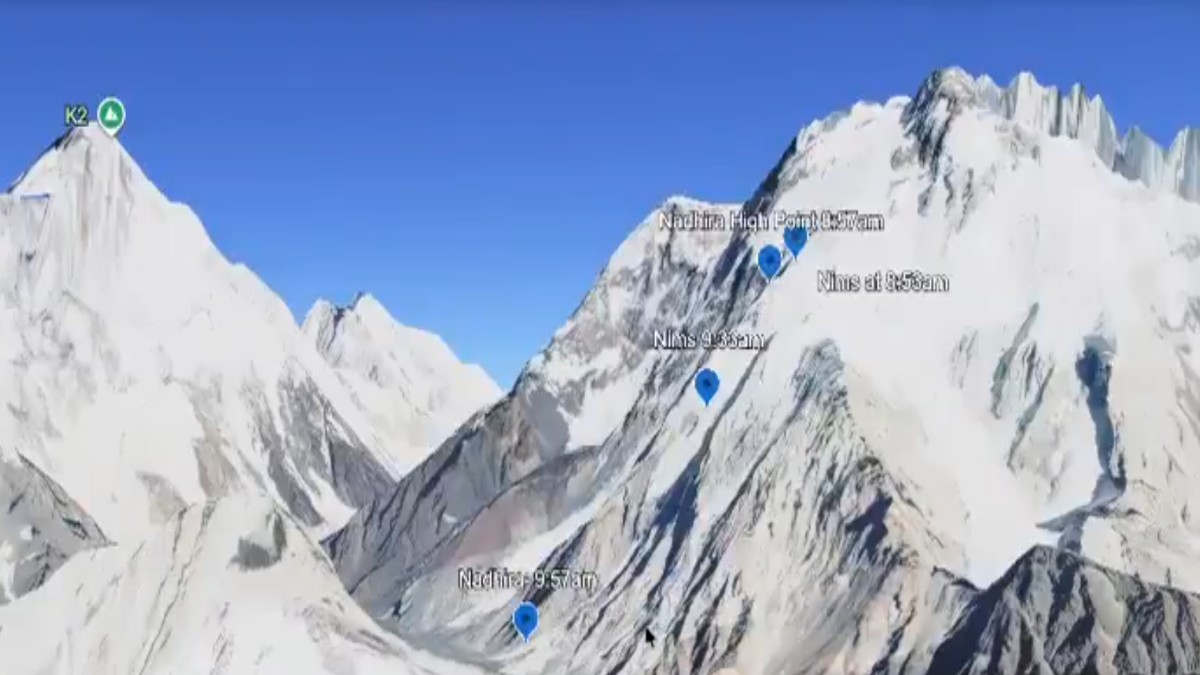
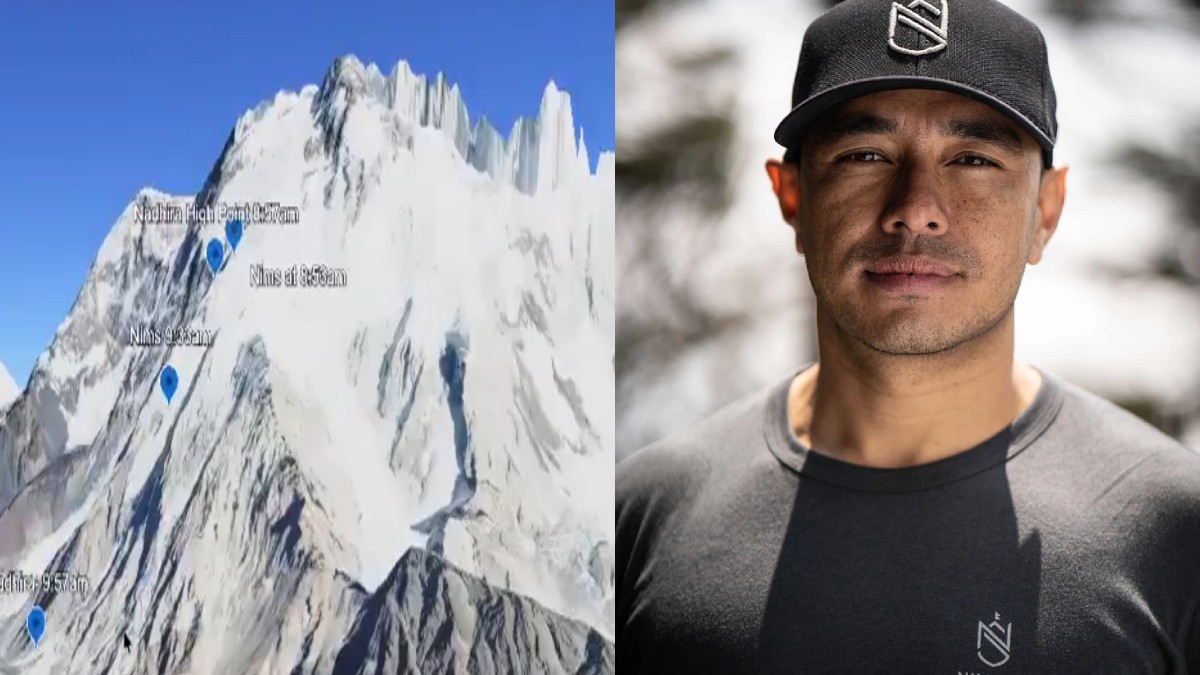
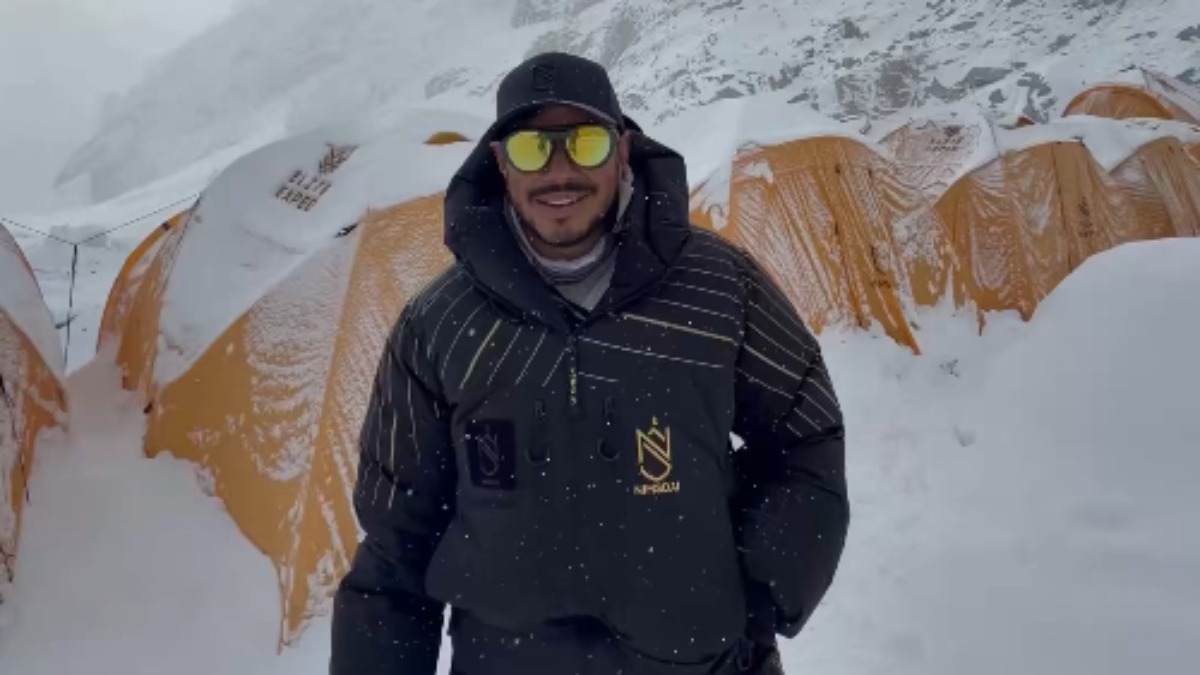
The unforgiving nature of extreme high-altitude mountaineering is once again in the news after a spectacular avalanche at Broad Peak (Karakoram range, Pakistan) killed 10 of the most experienced mountaineers, including the all-around best Nepali climber Nirmal Purja, whose signal was lost on Friday when the mountaineering team was unable to contact him at all. The difficult terrain and weather conditions have made rescue efforts to find them difficult.
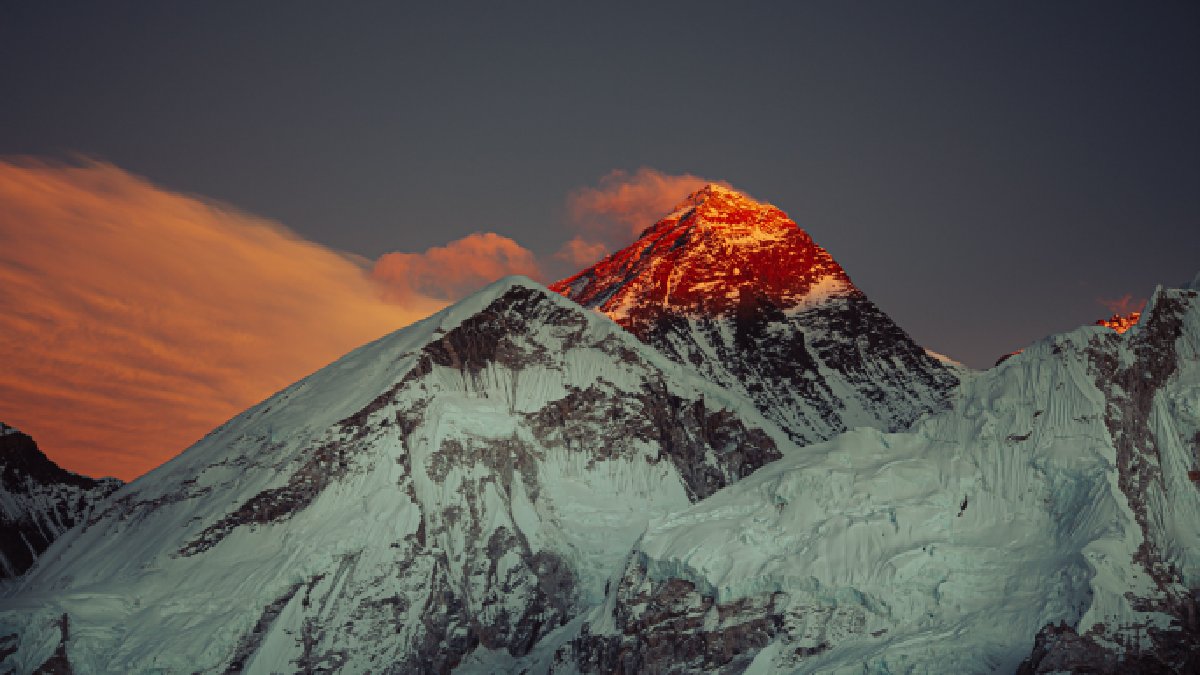
Broad Peak itself (8,047 metres, the twelfth highest mountain in the world) is situated near the legendary K2. It is less technical than the high mountain in the past, but climbers on Broad Peak often face dangerous crevasses, sudden weather changes, avalanches, and the lethal physiological conditions of the death zone above 8,000 metres. The recent disaster of Nirmal Purja’s top-tier team also underscores that even for those experienced climbers who are at the top are in a state of severe danger from the mountain’s unpredictability.
Broad Peak is not the only mountain to be respected and monitored by mountaineering experts. There are also many other mountains that have become known for their terrorizing nature because of their geographical and climatic hazards. K2, on the Pakistan-China border at 8,611 m, is the second highest mountain in the world; it is also known to be the most dangerous mountain in the world and is the toughest and deadliest to climb. It has earned a grim name, the "Savage Mountain," and is the toughest mountain to climb. K2 is so difficult to climb for a technical adventure and very dangerous because of its huge ice wall, technical difficulties, severe storms, and avalanche danger; it is much more dangerous than Mount Everest.
Nepal's Annapurna I, at 8,091 meters, is known for its very unstable snow and extremely violent avalanches. Despite significant technological and gear improvements in mountaineering, it is still one of the most dangerous peaks in the world. Nearby, Pakistan's Nanga Parbat is 8,126 metres high. The past few decades have seen many of its peaks devastated by massive rockfalls, avalanches, and extreme weather conditions. Its terrifying Rupal Face is the world's highest mountain face, and so the physical and mental challenges are extreme.
Other giants are also daunting. Kangchenjunga, the third-highest mountain in the world at 8,586 metres on the Nepal-India border, requires climbers to contend with heavy snowfall, deep glacier crevasses, and strong winds, and traditional climbers stop just short of the top for decades out of respect for local sacred traditions. In Nepal, Dhaulagiri I has an altitude of 8,167 metres and is known for its powerful winds and snowfalls, sudden whiteouts, dangerous icefalls, and avalanche-prone slopes. Besides the Himalayas, there are even lower elevation peaks like Switzerland’s Eiger, which shows that height is not the only metric to measure danger. At 3,967 metres, the Eiger has the legendary North Face, which people have called the “Murder Wall,” which has been a death stone for alpinists for some centuries with its falling rocks, ice sheets, and stormy, strong storms. Such dangerous giants remind the human race that nature is the raw and untamed force and that high-altitude exploration is no small risk.