Guru Purnima is one of the most sacred festivals in Hinduism, Buddhism and Jainism, dedicated to gratitude and respect to teachers, spiritual mentors and gurus.
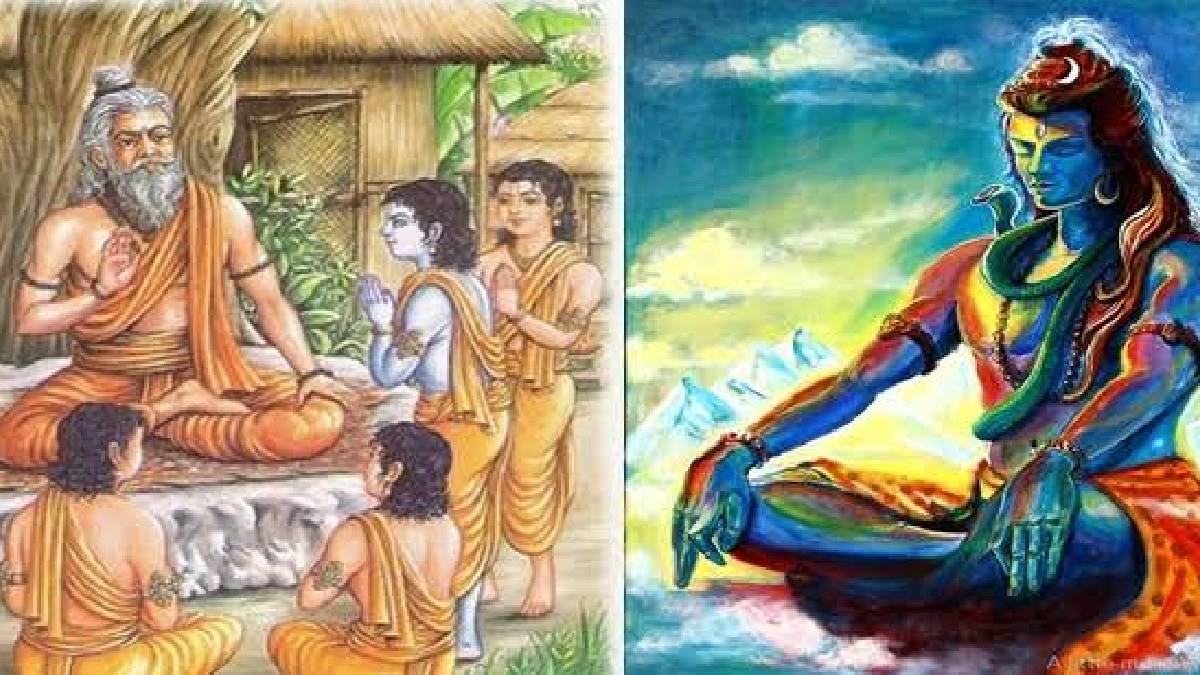
On the full moon (Purnima) day in the Hindu month of Ashadha, it is a celebration of knowledge, wisdom and guidance.
Guru Purnima will be celebrated on Wednesday, July 29, 2026. Also known as Vyasa Purnima, the day will celebrate the birthday of Maharishi Ved Vyasa the sage who wrote the Vedas and also penned the Mahabharata.
Guru Purnima 2026 Date
Festival: Guru Purnima
- Date: Wednesday, July 29, 2026
- Ashadha Purnima (Full Moon Day)
- Also known as: Vyasa Purnima
Many devotees go to temples, ashrams and spiritual centers to worship at temples and ashrams and spiritual centers to pray to gurus and have special prayers, satsangs and meditation.
History of Guru Purnima
The festival is rooted in Indian tradition. It pays homage to Maharishi Ved Vyasa, who is considered to be one of the greatest sages of Hindu philosophy. He divided the Vedas into four parts to make them easier to understand and wrote many of the holy scriptures Mahabharata and the Puranas.
In Buddhism, Guru Purnima is significant because it was the day when Lord Buddha preached his first sermon at Sarnath after enlightenment. For Jains it is the day when Lord Mahavira accepted Gautama Swami as his first disciple.
So Guru Purnima transcends religious lines and celebrates the spirit that is always with the teacher and the student.
Significance of Guru Purnima
A guru is regarded as a person who gets rid of darkness (ignorance) and leads people to the truth and self-realization. The day reminds us to acknowledge all that’s been taught to us; teachers, parents, mentors, coaches and spiritual leaders.
Followers of Guru Purnima are attracted to the fact that the blessings of the Guru Purnima are thought to bring wisdom, discipline and spiritual growth, which are believed to be the most important to them as well.
How we celebrate Guru Purnima
People of all kinds observe the festival differently
Waking up early and taking a holy bath. Offer prayers for Lord Vishnu, Lord Shiva and Maharishi Ved Vyasa. Worship your guru’s feet or picture. Go to temples and spiritual centers. Read the Bhagavad Gita and Guru Gita. Participate in meditation, yoga, satsangs, bhajans and other yoga and bhajans.
Give flowers, fruits, sweets and traditional gifts to all teachers, and give to them. Donate food, clothes, books and money to those who need food, clothes, and money. Give to parents and mentors.
What to Do on Guru Purnima
Be thankful to your guru or teacher for the help you have been given and seek blessings from your guru and teachers.
Meditation and self-reflection. Read or listen to religious teachings or spiritual teachings. Donate to charity. You have to be a good person. Learn something important. Don’t be so much about charity. Do not undermine elders and parents.
Fast if it is a tradition
Tell your mentors that you are grateful to them. What Not to Do on Guru Purnima. Do not disrespect teachers, parents, or elders. All the arguments and bad behaviour should be avoided. Do not drink alcohol or intoxicants. Do not get angry or gossip about or hurt others by words or actions.
Do not take for granted gratitude. Food and resources can be saved if we do not waste food and resources.
Why Guru Purnima Matters Today
In the fast-paced world of today, Guru Purnima is a reminder that success is seldom achieved through oneself. Every individual benefits from the guidance from teachers, parents, mentors and role models who guide them throughout their journey.
The festival encourages lifelong learning, humility and gratitude things that remain very much relevant to generations on generations.
Guru Purnima is celebrated in ceremonies as well as in private, and when you’re with someone you know and who inspired you is one of the few people who do not only have your support by sharing your experience but also your own life experience.