India’s electric mobility journey is gaining momentum and Union Civil Aviation Minister Kinjarapu Rammohan Naidu has highlighted the country's ambitious roadmap for the future.
Energizing India’s electric vehicle (EV) ecosystem, Naidu said, “we are currently focusing on the growing electric bus market and the next stage is to get the best international companies to come to India.
The statement is part of the government’s larger vision to turn India into a global centre for electric mobility, clean transportation and sustainable manufacturing.
In the last few years, the Centre and several state governments have introduced incentives, subsidies and infrastructure projects in order to drive up the uptake of EVs in public as well as private transport sectors.
Electric buses have emerged as a key component of this transition. They can reduce carbon emissions, improve urban air quality and reduce the costs of fuel and maintenance for transport operators. Many Indian cities have already adopted electric buses under programs supported by the government and more fleets will be deployed in the coming years.
Rammohan Naidu believes furthering public transportation with electric buses is only part of the way. After infrastructure such as charging networks, battery supply chains and manufacturing ecosystems are built, India is expected to be a good place for global EV companies to expand their production capabilities.
India’s EV market has been growing strongly due to the quality of government policies in the sector and environmental awareness and consumer acceptance of this type of manufacturing and battery production. The development of local manufacturing and battery production will reduce reliance on imports and create jobs in different industries.
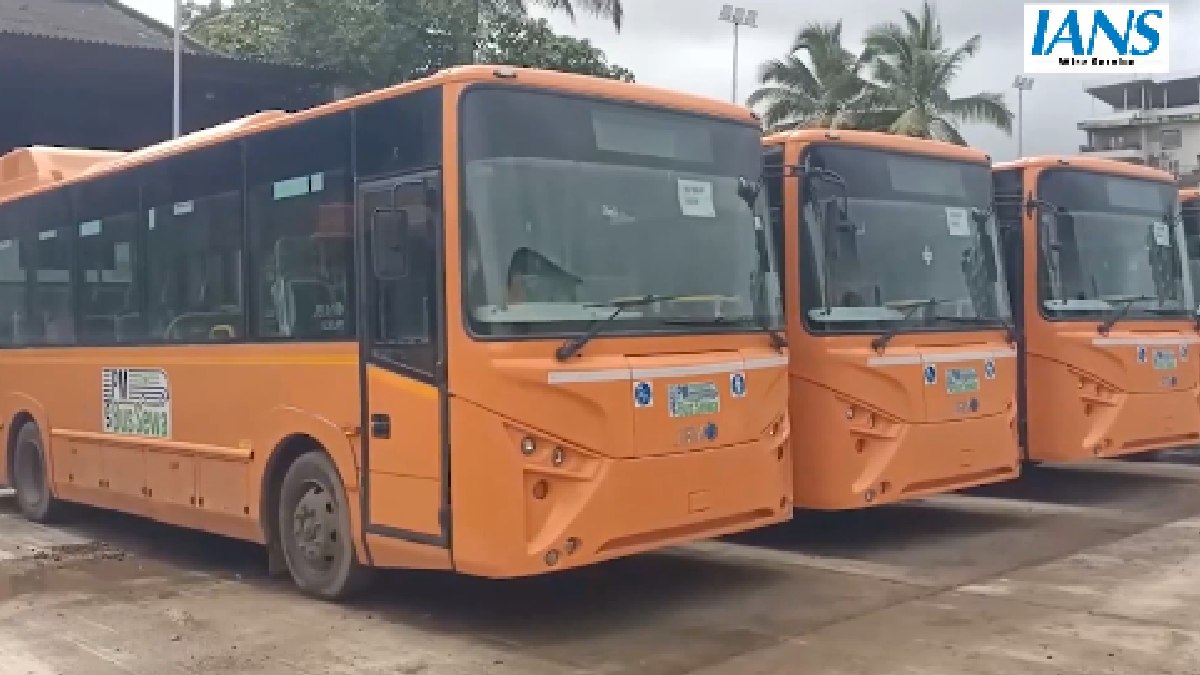
Kolhapur, Maharashtra: The first three air-conditioned electric buses under the Centre's PM e-Bus Sewa scheme arrived at the KMT workshop in Kolhapur. Rajya Sabha MP Dhananjay Mahadik inspected the buses, which are expected to enter passenger service soon. pic.twitter.com/7OMPGdYocn
— IANS (@ians_india) August 1, 2026
International automobile companies are closely watching India's rapidly growing EV market, industry experts say. With one of the world’s largest consumer bases and a much more open policy environment, India offers huge long-term growth opportunities for manufacturers as they seek new markets.
Besides attracting global corporations, the government also wants to promote domestic innovation. Some of the new Indian startups and automobile manufacturers have started producing electric two-wheelers, three-wheelers, passenger vehicles and commercial vehicles that continue to take market share. Research, battery technology and charging infrastructure will be more affordable and accessible.
To preserve the growth of EV, charging infrastructure is still critical, experts say. Faster charging stations, battery recycling and renewable energy integration have to happen to have a reliable electric mobility ecosystem.
The long-term vision of the government is consistent with India’s climate leadership and sustainable development objectives. Higher adoption of EVs will reduce the dependence on fossil fuels and help to make cities cleaner or at least more energy-secure for the future generation.
As India transitions to electric mobility, policymakers believe that today’s investment in electric buses will enable tomorrow’s global manufacturing opportunities.
If development of infrastructure and policy support of electric vehicles continue to be at the same pace, India can become one of the world’s most prominent electric vehicle manufacturing and innovation destinations.