Electric mobility in India is no longer a national affair which is led by the central government. States across the country are emerging as key players: each state is implementing its own policies and incentives that will drive electric vehicle (EV) adoption.
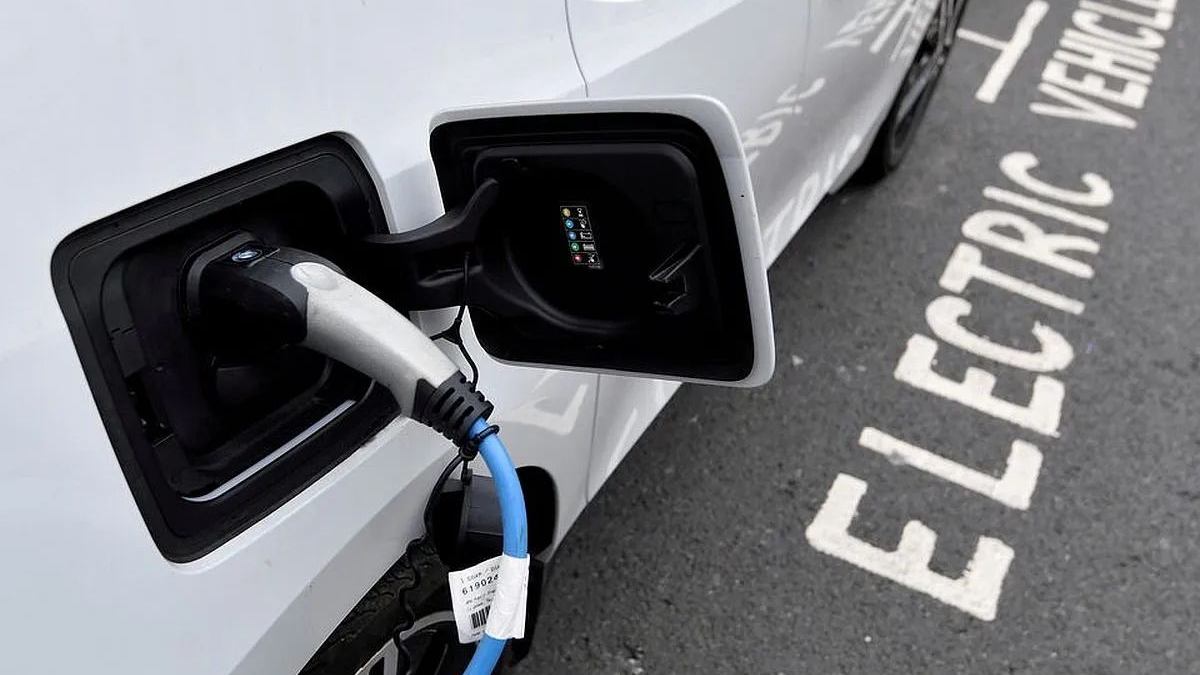
From manufacturing hubs to charging infrastructure and consumer subsidies, every state is working to shape the country’s clean transportation future differently.
Maharashtra is now a world-class EV manufacturing center with attractive incentives for automakers and component manufacturers. The state also built charging infrastructure in major cities to make EV ownership feasible for urban commuters.
Tamil Nadu is ambitious on becoming a major EV production center. With several automobile firms investing heavily in batteries and electric vehicle production, as well as research facilities, the state has attracted investments in battery manufacturing, electric vehicle assembly, and such. The policy is intended to create thousands of jobs and strengthen India’s EV supply chain.
Karnataka has leveraged its great tech ecosystem to propel innovation in electric mobility
Bengaluru has developed a hub for EV startups to develop electric scooters, battery technologies, charging solutions, and fleet management software. The state also supports research and pilot projects for advanced mobility solutions.
Delhi continues to lead consumer adoption with one of India's most successful EV policies. Big purchase subsidies, scrappage incentives, and the rapid expansion of public charging stations have driven thousands of people to electric two-wheelers and cars. The government is also looking to electrify public transport and commercial fleets.
Gujarat has focused on affordability through buying incentives and charging infrastructure development. The state has experienced steady growth in electric two-wheelers, so clean mobility is available to more people.
Kerala is promoting electric mobility through sustainable public transport programs. Electric buses are being introduced in cities, and charging stations are popping up along highways and city centers.
Tourism and public transportation are key focus areas under the state’s EV roadmap.
Uttar Pradesh, the largest state in India by population, is investing heavily in EV manufacturing parks and charging networks. The state will become a major player in India’s EV ecosystem as it expands and urbanization and industrialization take place.
Telangana and Andhra Pradesh are also attracting investment in battery manufacturing and EV production with friendly industrial policies. These states are expected to be an increasingly important part of the country’s electric mobility.
Although each state had a different strategy based on its own strengths, the overall goal remains the same - to reduce pollution, reduce reliance on imports of fossil fuels, and create a sustainable transportation system.
For India’s ambitious electric mobility agenda, the central and state governments and the private sector will need to cooperate to achieve this, as industry experts said.
As battery prices are decreasing and charging infrastructure grows nationwide, India’s state-led EV strategies will make it easier for the country to get to a cleaner and greener future in the near future.