Mercedes-Benz India is preparing for a new phase in the country’s automotive industry as it considers vehicle readiness for E25 ethanol blended fuel, plans to explore the growth of plug-in hybrid PHEV vehicle line-up .
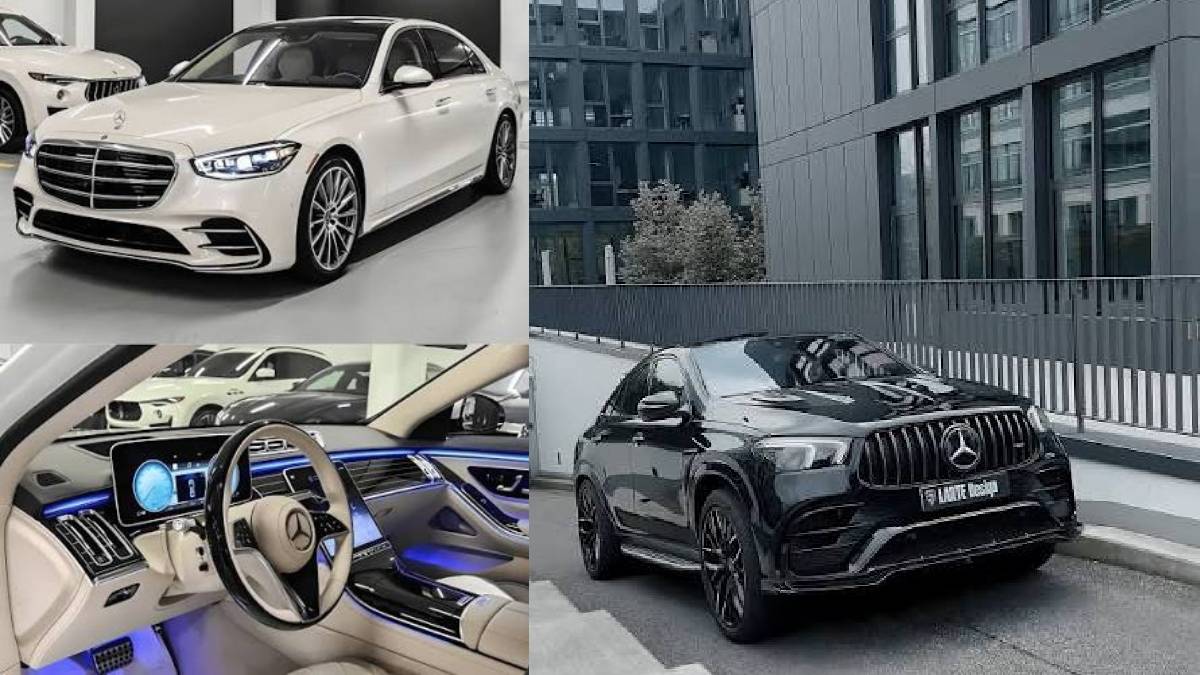
Also price hikes that will be more significant due to increased production costs and currency fluctuations.
The luxury carmaker is closely watching the Indian government’s push toward cleaner fuels. Mercedes-Benz is assessing in the next five years the efficiency of its new models on E25 fuel to meet performance, reliability, or emissions standards with India expecting ethanol in petrol to be 25% in the near future, the company has said.
Though ethanol-blended fuel has environmental advantages, luxury vehicles need to be tested and engineered before they go on the list.
At the same time, Mercedes-Benz is getting more adventurous on electrified mobility plug-in hybrid electric vehicles (PHEVs) are a good replacement for conventional internal combustion engine vehicles and fully electric cars.
Plug-in hybrids are electric vehicles which combine a petrol engine with an electric motor for shorter daily commutes and with the benefit of a fuel-powered engine for long-distance driving.
But industry experts have said PHEVs are more appropriate for India, where charging infrastructure is still being developed.
With the demand for battery-electric vehicles in India, customers who aren’t quite ready to go from the battery-electric vehicle to the hybrid car and vice versa can find plug-in hybrids more flexible and convenient.
Mercedes-Benz has already created electric vehicles in India and still uses premium EV technology in India.
But it believes electric vehicles, plug-in hybrids, and cleaner fuels will be part of the same equation in India as well as other technologies going to be adopted in India as we move towards sustainable mobility.
One key issue for the luxury carmaker is price.
Mercedes-Benz India is looking at a price revision after already raising prices earlier this year.
As they have been increasing the cost of goods and services including input costs, fluctuating foreign exchange rates, logistics costs, and labor costs and manufacturing costs it is a concern for profitability.
The company said it has absorbed a large portion of these cost increases but keeping product quality and technological innovation needs periodic price adjustments.
The new price increases would affect the models in the luxury sedan and SUV portfolio if implemented.
Despite these challenges, Mercedes-Benz is optimistic about the Indian luxury car market.
Demand for premium vehicles is rising due to rising disposable incomes, growing business ownership, and growing customer interest in technologically advanced cars.
In recent quarters, the company has seen strong sales performance in the top-end luxury segment and electric vehicle lineup.
Mercedes-Benz is also working to increase its dealership network, after-sales services, and new digital tools in terms of vehicle ownership to make it easier to purchase a car, and further develop the brand’s customer experience more convenient.
Mercedes-Benz for the next 10 years of acceleration in India's automotive business will continue to drive innovation as the automotive industry is moving towards electrification, cleaner fuels, and stricter emission standards evolving fast in the market.
With E25 fuel compatibility, plug-in hybrid options, and pricing plans that are made for the new car by planning for the market and adapting to the needs of a more fuel-friendly E25 fuel environment.
The German luxury brand looks to remain at the forefront of the world's fastest-growing premium car industry and is confident in India's fastest-growing premium car market.