MG is a familiar name on Indian roads - particularly in the fast-growing electric car market - but its history is more complicated than a British badge might suggest. MG, short for Morris Garages, has its roots in Britain dating back to 1924. The brand had a number of ownership moves through the years, and eventually it came to China’s SAIC Motor.
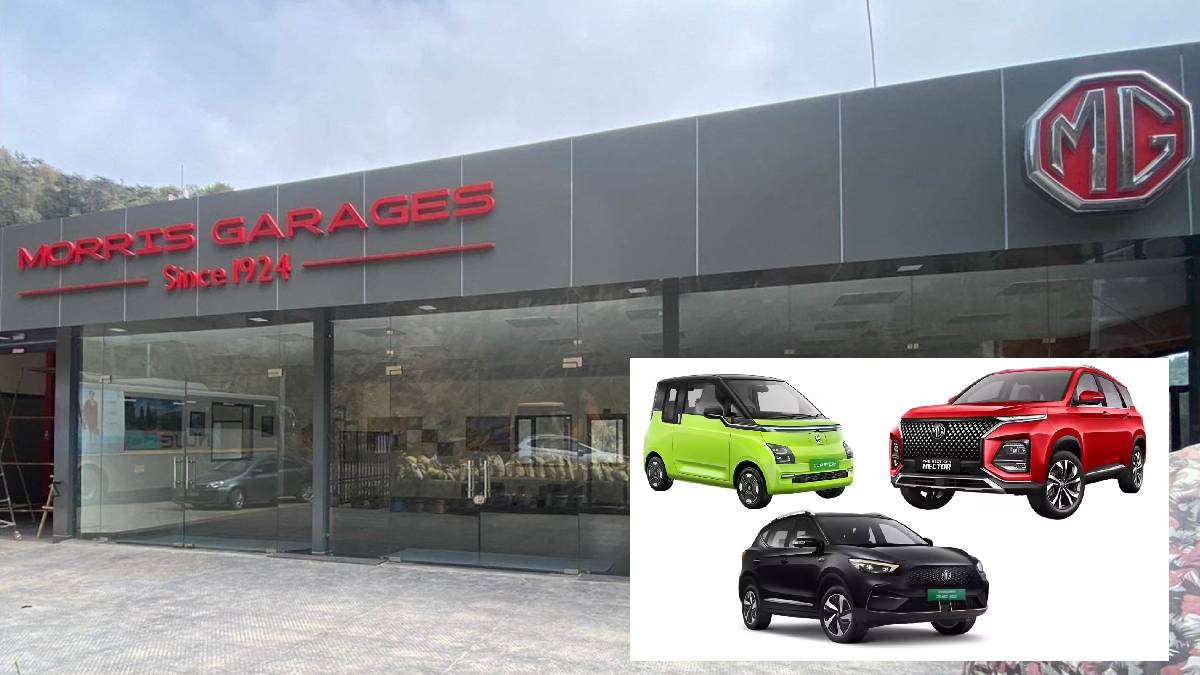
In 2007, SAIC Motor acquired the MG brand and brought the historic British marque to China. MG later entered international markets, including India, where MG Motor India started its operation and launched its first vehicle, the Hector, in 2019.
When MG Motor India entered the Indian market, its ownership structure was closely linked to SAIC. However, India's regulatory environment surrounding foreign investments from countries sharing a land border with India changed the company's strategy.
MG Motor India brought Indian investors into the business. At this stage, we saw the entry of JSW Group with investment from Indian investors as a major player in Indian operations that became a major stakeholder.
The resulting ownership structure means MG’s presence in India is a product of three distinct elements: British heritage, Chinese parentage, and huge Indian ownership.
Based on the ownership breakdown in the information, SAIC owns 49% of MG Motor India while JSW owns 35% and other investors 16%. Thus, Indian investors hold the majority stake in the India operations of the company.
The Indian business of MG is a key differentiator between the MG brand and MG's Indian business. The MG name itself is British automotive, and the global brand is SAIC Motor. Meanwhile, the Indian company is in a joint ownership structure between SAIC and Indian investors.
MG has also become more and more visible in the electric vehicle market in India. The company has launched ZS EV and Comet EV and has also built capacity in the electric mobility field in India, as there is increasing public interest in this.
The ownership story demonstrates how global automotive brands can not only exist but evolve across borders. A company can maintain its identity and heritage in its country of origin while its ownership, manufacturing operations, and investment structure change dramatically over time.
MG therefore represents a combination of different automotive histories for Indian consumers. The brand is rooted in Britain, the current global ownership of China's SAIC Motor is in China, and it is also a major Indian investor in India.
This makes MG’s journey in India a good example of how global automobile brands react to changing investment regulations and local market conditions. The MG name is still the British brand, but the company’s present-day business structure in India is much more global and localized.