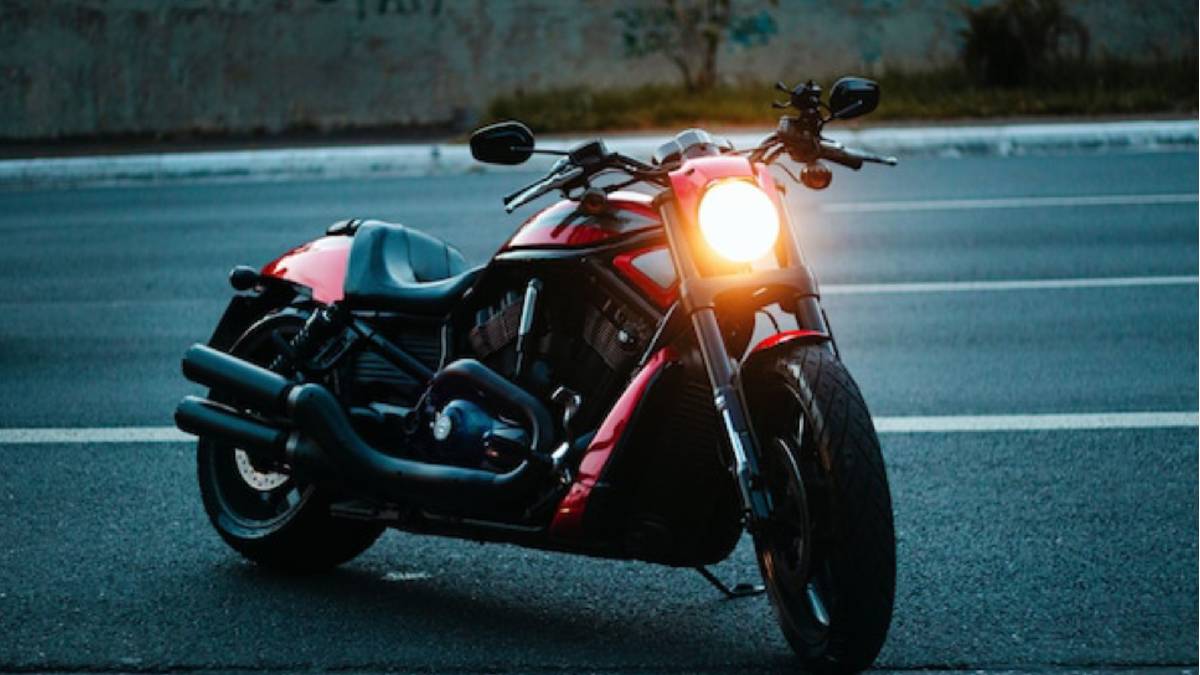
The Union government is mulling stricter vehicle lighting regulations that could change how automatic headlights operate on new two-wheelers in India from April 2027. Under the proposed rules, automatic headlamps on new motorcycles and scooters would operate only in the passing-beam, or low-beam, mode, to reduce glare and improve road safety.
The proposal has been put forward by the Ministry of Road Transport and Highways (MoRTH) through draft amendments to the Central Motor Vehicles Rules. The changes are part of a wider effort to address the growing problem of excessive headlamp glare on Indian roads. The proposal is still under consideration, so provisions could change before the final rules are notified.
Automatic Headlamp On (AHO) has been a standard feature on Indian two-wheelers for years. When the vehicle is running, the headlight comes on automatically, making motorcycles and scooters appear more visible to other vehicles on the road. From April 2017, automatic headlamps have been mandatory on new two-wheelers as a road-safety measure in India.
The proposed change differs from simply requiring headlights to be kept on. Instead, the government wants the automatic function to be in low-beam mode. Riders would still have high beam when necessary, but the automatic setting would be the less bright passing beam.
The move is primarily aimed at tackling high-beam glare, particularly in the city. Big headlights from vehicles approaching can temporarily interfere with drivers' and riders’ ability to locate pedestrians and judge distances and react to obstacles. The report says that previous awareness campaigns that encourage the use of low beam have failed to achieve the desired level of compliance, so a regulatory approach may be warranted.
The changes proposed could also affect the permitted intensity of vehicle headlamps. For two-wheelers, the reported maximum permissible intensity of high-intensity headlamps could be reduced from 150,000 candela to 100,000 candela. For four-wheelers, the proposed limit would fall from 225,000 candela to 150,000 candela.
Another measure is to limit the colour temperature of headlamps and front fog lamps to 6,500 Kelvin. The aim is to reduce the glare of extremely bright or high-colour temperature lighting.
The government’s broader lighting proposal may also include other safety measures. Buses and other heavy vehicles may need to have genuine reflective tapes to make them more visible at night and during poor weather conditions. We have also heard about a possible audio alert system to help prevent unnecessary high-beam usage in the city.
For consumers, the proposed rules would mainly apply to new vehicles manufactured after the date of implementation of the rules, not motorcycles and scooters already on Indian roads. So existing two-wheelers would not suddenly be required to be modified just because of the new regulation.
In the motorcycle industry, however, the proposal might require modifications to lighting systems and vehicle electronics. Automakers and component suppliers may need to ensure that these new models satisfy intensified colour temperature and automatic beams.
The proposed regulation reflects the increasing emphasis on road safety by the government on vehicles rather than the behaviour of the drivers. If this is implemented, low-beam headlights would reduce the incidence of riders driving without headlights on busy roads.
The outcome will depend on the government’s regulatory process and any changes made to the draft amendments before notification. In the meantime, the April 2027 timeline should be seen as a proposed implementation date rather than a final rule.
If approved, the new regulations would be another major change in India's two-wheeler safety standards, with the sole purpose of making night travel safer for everyone on the road: riders, drivers, pedestrians and other road users.