
India’s move toward cleaner transportation has prompted a debate: should the country focus more on E20 ethanol-blended fuel or accelerate the adoption of electric vehicles (EVs)? Some say that EVs are the future of mobility; others say that ethanol blending is a faster, more effective solution that would reduce fuel imports and emissions. As the government of India doesn’t choose one or the other, the twin-track strategy of increasing E20 fuel and electric mobility is being adopted.
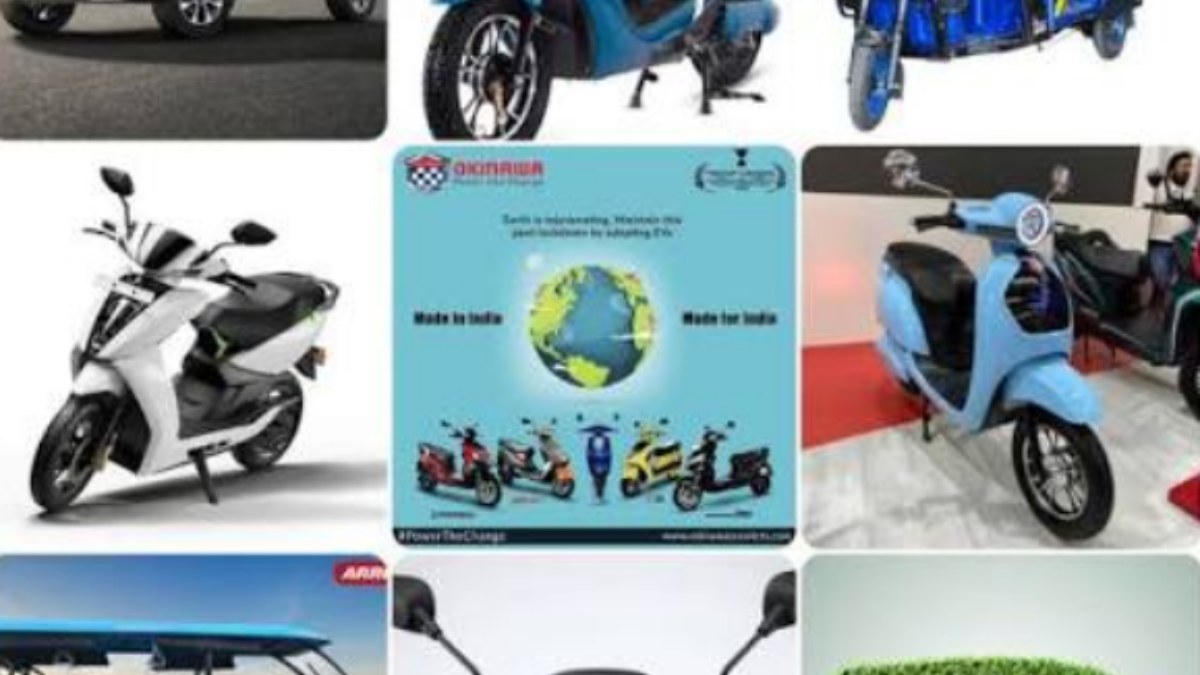
This dual approach is representative of India’s unique economic, environmental and infrastructural challenges. One of the world’s fastest-growing automobile markets and rapidly growing energy needs means the single solution may not be enough to achieve the country’s climate and energy security goals.
What is E20 fuel?
E20 is petrol blended with 20% ethanol and 80% gasoline. Ethanol is a renewable biofuel which is mainly produced from sugarcane, maize, damaged food grains and agricultural residues. The government of India’s ethanol blending program is aimed at reducing India’s dependency on imported crude oil and decreasing greenhouse gas emissions.
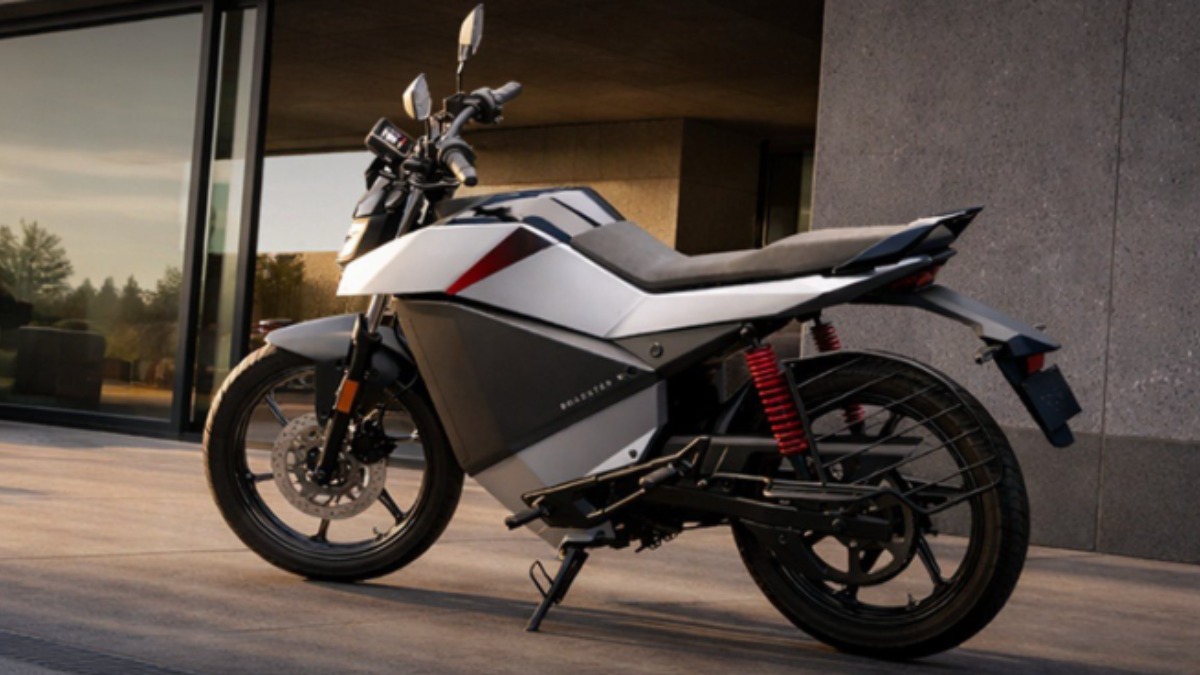
India has made huge progress in ethanol blending in the past decade. The percentage of ethanol blending is now much higher because of the increased domestic production and good government policies. Automakers are also producing vehicles that can run on E20 fuel for the consumers.
E20 can be used in conjunction with present fuel distribution systems after necessary upgrades. Millions of conventional cars can gradually lean toward cleaner fuel without waiting for a nationwide EV charging network.
Why India is investing in Electric Vehicles?
Electric vehicles emit zero tailpipe emissions as a key component of India’s long-term decarbonisation strategy. With the power grid becoming increasingly renewables-based (in solar and wind) the EVs are going to reduce carbon emissions significantly in the transportation sector.
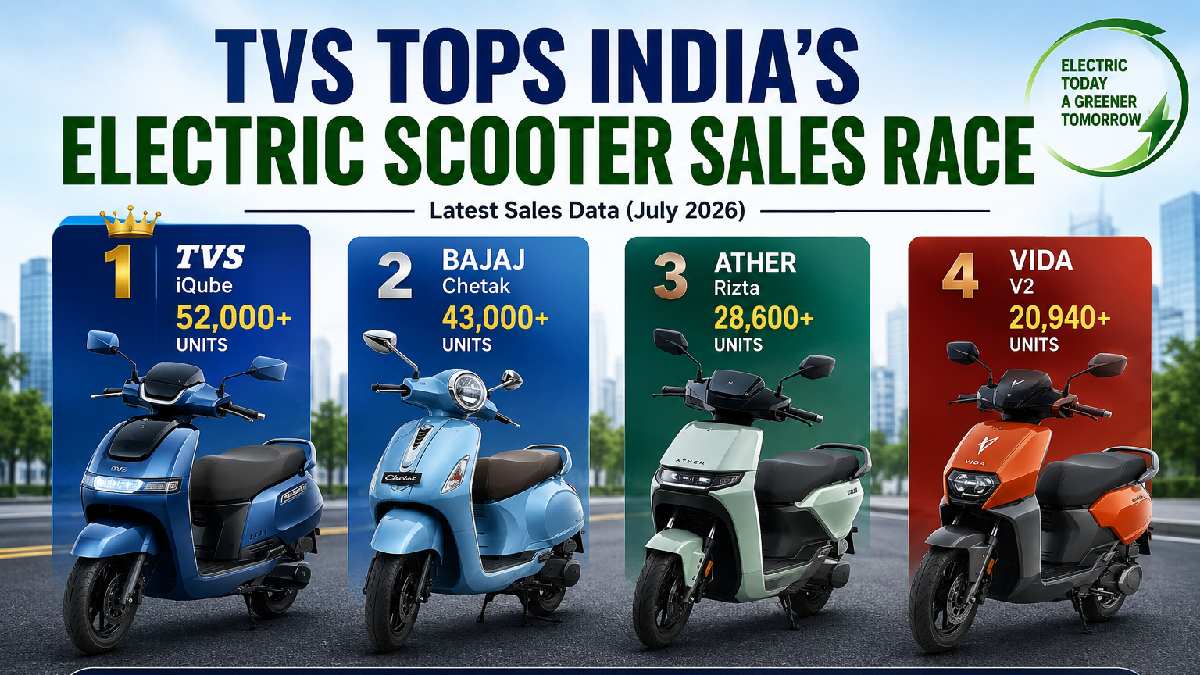
Government incentives such as purchase incentives, reduced GST, battery manufacturing support and charging infrastructure development have encouraged EV adoption, especially in two-wheelers, three-wheelers, buses and commercial fleets.
But widespread EV adoption still remains a challenging proposition. The charging infrastructure is largely unevenly distributed, battery costs are high and charging time and driving range are still a major issue to drivers. In addition, sourcing the minerals for lithium-ion batteries remains a long-term problem.
Why government supports both?
E20 versus EVs is rarely a clear choice. Both technologies cover different aspects of India’s transport ecosystem.
E20 is a solution for the country's current set of petrol vehicles. Since millions of internal combustion engine vehicles will remain on Indian roads for many years, blending ethanol reduces emissions without vehicle replacement.
EVs, on the other hand, are the future of clean mobility. They are particularly suited for urban commuting, public transport, delivery, and short distance travel with charging infrastructure easily implemented.
This complementary approach allows India to reduce oil imports today while preparing for a fully electrified transportation system in the future.
Economic Benefits
The twin-track strategy also creates various economic opportunities.
Higher ethanol production will enhance the Indian farmers’ incomes as it will boost demand for agricultural products like sugarcane and maize and it will give them a better chance of making money for agriculture. It will also help rural industries, biofuel refineries and employment generation.
In the EV ecosystem, battery manufacturing, electronics, software development, charging infrastructure and clean energy technologies are encouraged. And these sectors have the potential to generate thousands of skilled jobs and place India at the top of world manufacturing.
And reducing reliance on imported crude oil also enhances India’s energy security and improves the country's trade balance.
Environmental Considerations
Neither E20 nor EVs is a perfect solution.
Ethanol is renewable but the water use of sugarcane production, land use and sustainable supply of feedstock are still a concern. Responsible agricultural practices and diverse ethanol sources will be critical for long-term sustainability.
EVs are only as clean as the electricity used to charge them. Battery production, mining of critical minerals and recycling infrastructure must be carefully planned to minimize environmental impact.
So India’s strategy is to integrate cleaner fuels, renewable electricity growth, improved fuel efficiency, and strict emission standards, rather than focusing on a single technology.
The transportation transition in India will remain technology-neutral for the foreseeable future. Different vehicle categories can use different solutions based on practicality and economics. Two-wheelers, buses and urban fleets may be transformed quickly; passenger cars and rural mobility can continue to be supplied by ethanol-blended fuels.
The government’s twin-track strategy recognizes that India’s diverse geography, income and infrastructure mean a number of pathways to cleaner transportation. Rather than viewing E20 and EVs as competitors, policy-makers now see them as complementary tools that can help reduce emissions, enhance energy security, support farmers and strengthen domestic manufacturing.
All of India’s green mobility journey will likely not be a technology-based one. It will be a matter of innovation, affordability, sustainability and consumer convenience. If E20 fuel and electric vehicles are marketed in the same way, India will build a sustainable and inclusive transportation system that satisfies the needs of the present and future climate goals, which will include E20 and its future.






Comments
Leave a Comment