On January 20, 2009, Barack Obama took the oath of office and faced one of the most difficult things an American president has ever had to do.
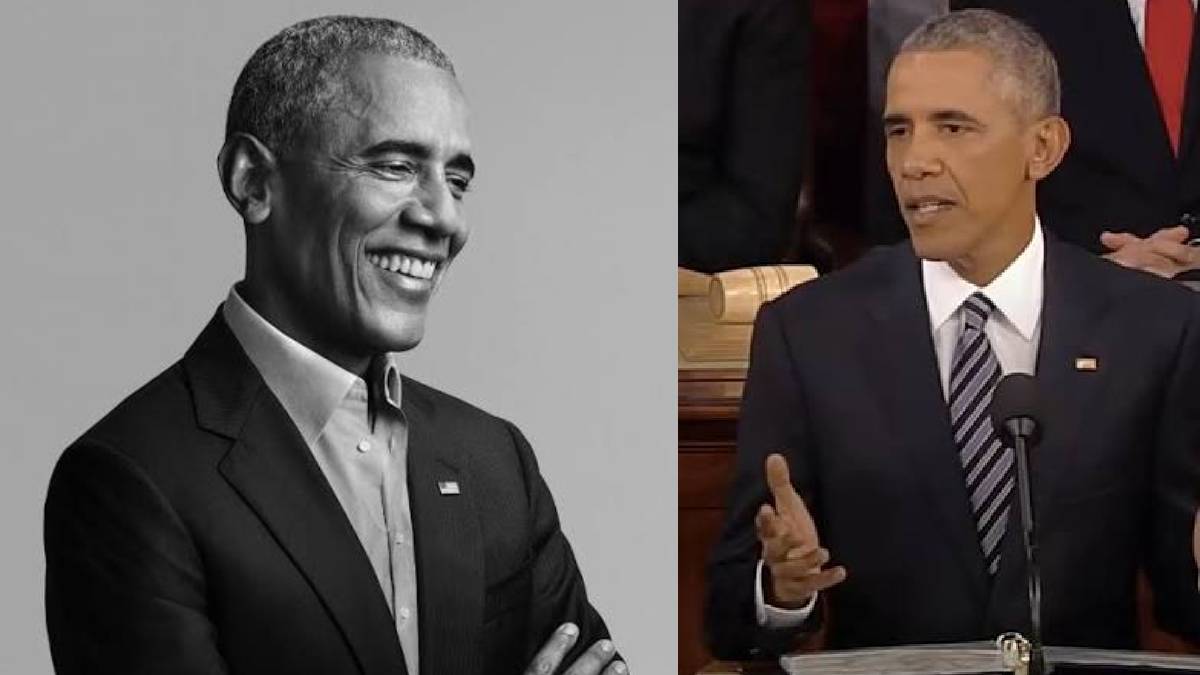
The United States was in the midst of the nation’s worst financial crisis since the Great Depression, unemployment soared and the country was still fighting in Iraq and Afghanistan.
And millions of Americans looked to the new president to restore economic stability, restore confidence in the public and remake the country’s place in the world.
Over eight years Obama’s administration brought radical changes to health care, financial regulation, climate policy, education and foreign affairs.
And while his decisions received widespread praise, his decisions set off a political debate so high that his presidency has been one of the most watched in modern American history.
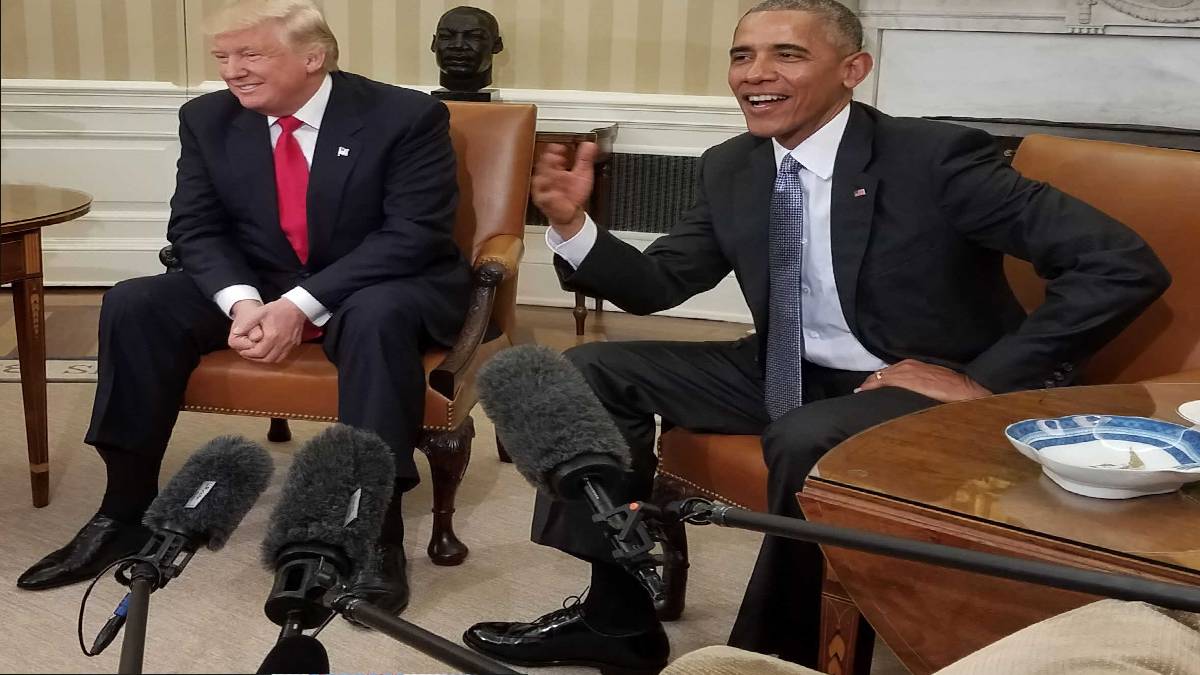
Reviving the American Economy
One of Obama's first priorities was to respond to the economic crisis that rocked financial markets and caused widespread job losses.
In February 2009, his administration introduced the American Recovery and Reinvestment Act a large economic stimulus package to boost employment, invest in infrastructure, support state governments and encourage economic growth.
The administration also helped stabilize the banking and car industry and helped some major manufacturers recover from financial distress.
And gradually unemployment dropped, consumer confidence improved, and the US economy came back to normal.
And economists still debate the long-term effects of some policies but Obama’s economic policies did help to bring the country back to recovery from the recession.
Healthcare Reform The Affordable Care Act
The most significant domestic achievement of Obama’s presidency was the Affordable Care Act (ACA), signed into law in March 2010.
The legislation aims to make health care more affordable and accessible by expanding insurance coverage, preventing insurers from denying coverage because of pre-existing medical conditions, and allowing young adults to stay on their parents’ insurance plans until the age of 26.
Often referred to as “Obamacare,” it significantly reduced the number of uninsured Americans. But it also became one of the most politically polarizing pieces of legislation in recent history and has been the subject of years of legal fights and repeated attempts to repeal it.
Financial and Social Reforms
After the global financial crisis, Obama signed the Dodd-Frank Wall Street Reform and Consumer Protection Act in 2010.
It established stricter regulations for financial institutions and added protections for consumers to reduce the likelihood of a future financial crisis.
And his administration also supported investment in education, clean energy, scientific research and technological innovation.
Obama increased funding for schools, expanded student financial aid and even advocated for reform of education standards.
His presidency resulted in some positive social change. Obama supported marriage equality and in 2015 he welcomed the U.S. Supreme Court's landmark ruling legalizing same-sex marriage in the U.S. in 2015.
Foreign Policy and National Security
Obama’s foreign policy emphasized diplomacy, in line with America’s national security interests.
But it was May 2, 2011 that his presidency was especially important to him, when U.S. Special Forces conducted a successful operation in Abbottabad, Pakistan, that killed Osama bin Laden, the mastermind behind the terrorist attacks of September 11.
It was viewed by some as a major achievement for U.S. counterterrorism efforts and also a major milestone in the fight against global terrorism.
In 2015, Obama’s administration reached the Iran Nuclear Agreement (Joint Comprehensive Plan of Action) with several world powers in hopes of curbing Iran’s nuclear program in exchange for sanctions relief.
Obama also took historic steps toward restoring diplomatic relations between the United States and Cuba after more than five decades of strained relations.
Climate Change International Cooperation
Climate policy became another major focus of Obama's second term.
His administration also instituted measures to reduce greenhouse gas emissions and encourage renewable energy.
The United States was also at the center of the Paris Climate Agreement (2015) that is the most important international agreement on global warming, and will be ratified by countries of all the world.
Challenges During His Presidency
Obama's presidency was marked by great political challenges that he had to overcome.
The divide between Democrats and Republicans often led to gridlock in the legislative process and key policy proposals were often slow to get through Congress.
Immigration reform was never implemented despite many attempts and gun control discussions rekindled after a number of mass shootings.
His administration at home was criticized for his Syria and Libya crises, the rise of ISIS and tension with Russia and China.
He had received praise for diplomacy but his foreign policy decisions were not always well received by his supporters as well, but his foreign policy decisions were criticized in some ways by critics.
Life after the White House
He founded the Obama Foundation with his former First Lady Michelle Obama for the development of future leaders, civic engagement and community programs around the world.
Obama has also spoken on democracy, leadership, climate change, technology and civic engagement.
But his speeches are still frequently watched by international journalists and he is still one of the world’s most well-known politicians.
Both Barack and Michelle Obama have published bestselling memoirs and they’ve written personal autobiographies to tell some stories of their lives and lives in public office.
Awards and Recognition
Obama has received a lot of honours for his political life as well as diplomacy and public service.
In 2009 he was awarded the Nobel Peace Prize for his work to promote diplomacy and cooperation among nations in international relations and development.
The decision of giving him the prize was controversial because he was elected president so early in his presidency, but it had a positive impact on his vision of a world relationship and a peaceful dialogue.
Obama has also been awarded honorary degrees and international awards from universities and organisations in the world.
As the 44th president of the United States and the first African American president, Barack Obama will be remembered as more than just the nation’s first African American president.
In Part 1: Readers discovered how Barack Obama's childhood, academic achievements, legal career, and rise -
https://www.saptashwatv.com/lifestyle/barack-obama-biography-part-1-early-life-education-political-journey-16662.html